
Ali Khamenei – Early Life, Political Journey & Legacy
<b>Ali Khamenei</b> stands as one of the most pivotal figures in contemporary Middle Eastern history, wielding supreme authority in Iran since 1989. His influence permeates every facet of Iranian governance, from <b>domestic policy</b> to <b>foreign strategy</b>, shaping the nation’s trajectory for over three decades.
Early Life and Education
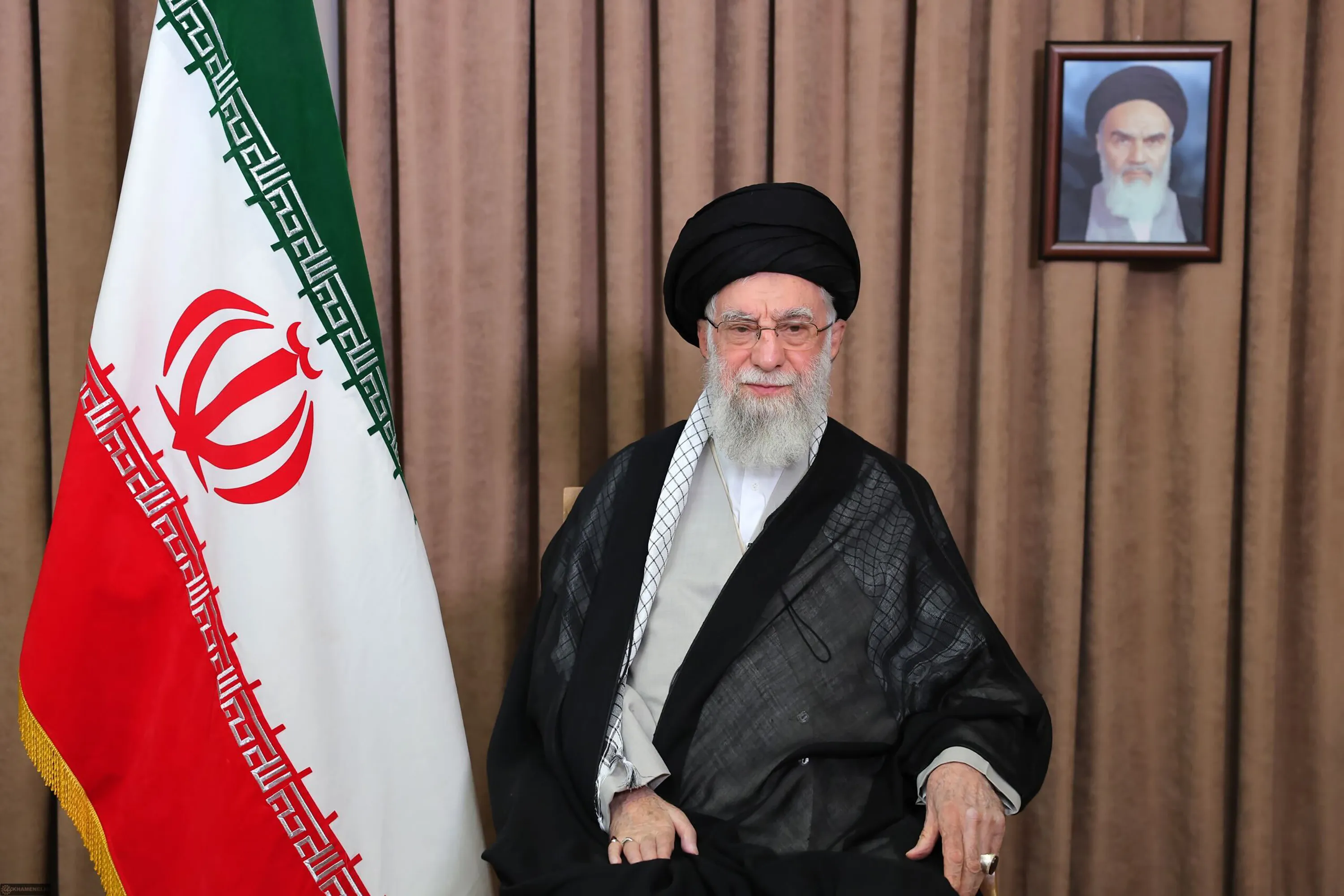
<b>Ali Khamenei</b> was born on <b>April 19, 1939</b> in the holy city of <b>Mashhad, Iran</b>, into a family deeply rooted in Islamic scholarship. His father, <b>Javad Khamenei</b>, served as a respected cleric, instilling religious values from an early age. Growing up in modest financial circumstances, Khamenei entered religious studies at a tender age, <a href="/article/mastering-portfolio-diversification-strategies" title="Mastering Portfolio Diversification Strategies" class="internal-link">mastering</a> <b>Islamic jurisprudence</b> and <b>theology</b>.
Formative Years in Qom
In the 1950s, Khamenei relocated to <b>Qom</b>, the epicenter of Shia scholarship, where he studied under prominent clerics, including the future <b>Ayatollah Ruhollah Khomeini</b>. The political upheavals of the 1960s, particularly opposition to the <b>Shah Mohammad Reza Pahlavi</b>, forged his revolutionary outlook. He began delivering anti‑monarchy sermons, drawing both admiration and the ire of the state.
Imprisonment and Exile
Before the 1979 Revolution, Khamenei endured significant persecution:
- Multiple arrests by the Shah’s secret police, SAVAK
- Imprisonment for his outspoken criticism of the monarchy
- Internal exile that confined him to various Iranian cities
These experiences solidified his reputation as a steadfast opponent of the Pahlavi regime and bolstered his revolutionary credentials.
Advertisement
Loading partner content...
Role in the 1979 Islamic Revolution
The <b>1979 Islamic Revolution</b> toppled the Pahlavi monarchy and established the Islamic Republic of Iran. Khamenei emerged as a key architect of the new order:
- Appointed to the Revolutionary Council, where he helped shape post‑revolutionary institutions
- Survived an assassination attempt in 1981, sustaining a permanent injury to his right arm, an event that elevated his martyrdom status among supporters
Presidency (1981–1989)
Following the revolution, Khamenei was elected <b>President of Iran</b> in 1981, serving two terms during the tumultuous <b>Iran‑Iraq War</b> (1980‑1988). As president, he:
- Worked closely with Ayatollah Khomeini to coordinate wartime efforts
- Oversaw post‑war reconstruction, emphasizing self‑reliance and ideological purity
- Strengthened the institutional role of the Islamic Revolutionary Guard Corps (IRGC), integrating it into the state’s security apparatus
Supreme Leadership (1989–Present)
After Khomeini’s death in 1989, the <b>Assembly of Experts</b> selected Khamenei as the <b>Supreme Leader</b>. His ascent granted him unprecedented authority:
- Commander‑in‑Chief of all armed forces, including the regular military and the IRGC
- Control over judicial appointments and the media landscape
- Direct influence on foreign policy, nuclear negotiations, and national security strategies
His decisions <a href="/article/social-media-algorithms-explained-how-they-shape-your-feed" title="Social Media Algorithms Explained: How They Shape Your Feed" class="internal-link">shape</a> Iran’s domestic laws, economic policies, and international relations, often eclipsing the role of the elected president.
Political Stands and Ideology
Khamenei’s ideological framework is defined by several core positions:
Advertisement
Loading partner content...
- Anti‑Western Position: He consistently frames the United States and Western powers as destabilizing forces, advocating for resistance against foreign interference.
- Nuclear Policy: While asserting Iran’s right to peaceful nuclear energy, he denies intentions to develop nuclear weapons. His government played a central role in negotiating the 2015 Joint Comprehensive Plan of Action (JCPOA).
- Regional Influence: Under his leadership, Iran expanded its geopolitical reach through support for Hezbollah in Lebanon, Syrian government forces, Iraqi militias, and Yemeni factions.
- Domestic Governance: He upholds strict Islamic governance, enforcing conservative social policies, limiting political dissent, and maintaining tight control over media and education.
Awards and Recognitions
Unlike many global political figures, Khamenei has not received formal international awards. Nevertheless, his recognition is rooted in religious and ideological prestige:
- Holds the title of Ayatollah, signifying high scholarly standing in Shia Islam
- Recognized by Iranian institutions as a leading Islamic jurist
- Considered a Marja (source of emulation) by a segment of Shiite believers, granting him spiritual authority
His influence is therefore more <b>ideological</b> and <b>religious</b> than award‑based.
Assassination Attempt (1981)
On <b>June 28, 1981</b>, a bomb concealed in a tape recorder detonated during a public speech, critically injuring Khamenei. The blast:
- Severely damaged his right arm, leaving lasting physical impairment
- Did not kill him, but instead amplified his symbolic stature among supporters as a survivor of martyrdom
This event cemented his reputation as a resilient leader willing to endure sacrifice for the revolutionary cause.
Leadership Style
Khamenei’s governance is characterized by:
Advertisement
Loading partner content...
- Strategic caution: He prefers long‑term planning over rapid reforms.
- Delegated execution with ultimate authority retained in his hands.
- Close collaboration with security institutions, especially the IRGC and intelligence services.
- An emphasis on ideological consistency, often sidelining reformist pressures.
Legacy
The legacy of <b>Ali Khamenei</b> is a tapestry of competing narratives:
- Supporters credit him with preserving Iran’s sovereignty, expanding its regional influence, and maintaining ideological coherence.
- Critics point to the erosion of political freedoms, the deepening of economic sanctions, and increased international isolation during his tenure.
Regardless of perspective, his impact on Iran’s domestic and foreign policy is undeniable, making him a central figure in modern Middle Eastern geopolitics.
Conclusion
Understanding <b>Ali Khamenei</b> requires a multifaceted view that balances his <b>religious authority</b>, <b>political maneuvering</b>, and <b><a href="/article/navigating-geopolitical-tensions-a-strategic-response-to-israeli-criticism" title="Navigating Geopolitical Tensions: A Strategic Response to Israeli Criticism" class="internal-link">strategic</a> vision</b>. As Iran continues to navigate internal challenges and external pressures, his legacy will remain a reference point for analysts, scholars, and policymakers alike.