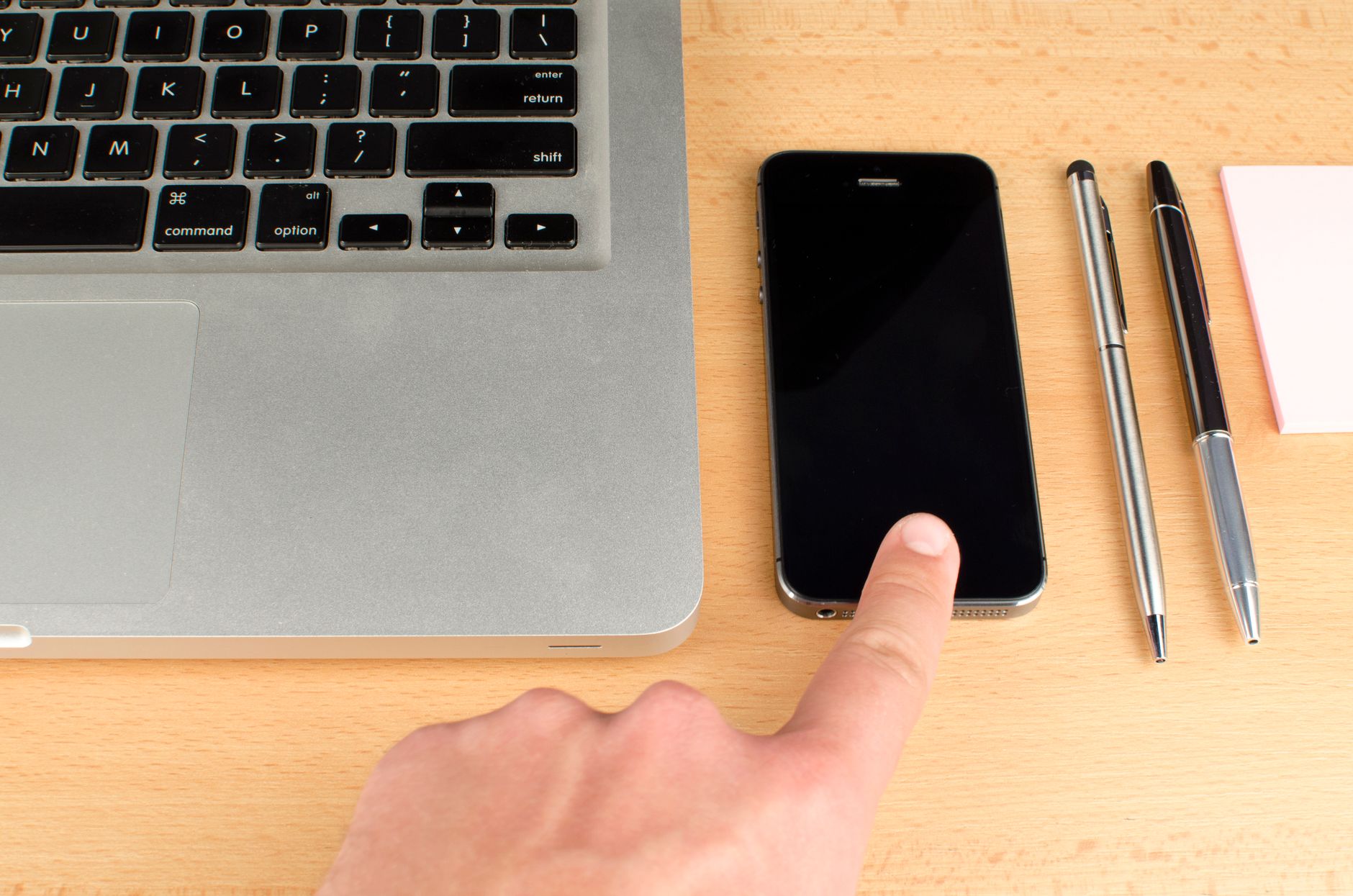
<h1>Apple's Touch-Screen <a href="/article/apple-s-touchscreen-macbook-pro-pushes-laptop-pricing-to-a-new-extreme" title="Apple’s Touchscreen MacBook Pro Pushes Laptop Pricing to a New Extreme" class="internal-link">MacBook Pro</a>: A Seismic Shift in Laptop Design</h1>
<p>In a move that would have been unthinkable just five years ago, Apple has officially unveiled a touch-screen MacBook Pro, marking one of the most dramatic reversals of Steve Jobs' original vision for the Mac lineup. This isn't just another incremental update—it represents a fundamental reimagining of how we interact with professional laptops. <a href="/article/real-estate-investment-tips-and-strategies-for-indian-investors-in-2026" title="Real Estate Investment Tips and Strategies for Indian Investors in 2026" class="internal-link">For Indian</a> developers, designers, and business professionals who rely on macOS for their daily workflows, this shift demands serious attention.</p>
<p>Bloomberg's reporting on this development reveals deeper implications than the headline suggests. The decision reflects Apple's response to evolving user expectations, competitive pressure from Windows tablet manufacturers, and the growing demand for hybrid work tools. But what does this mean for you? Whether you're a seasoned Mac user or considering your first MacBook purchase, understanding this transition is crucial.</p>
<figure class="my-8 overflow-hidden rounded-3xl shadow-xl">
<img src="https://platform.theverge.com/wp-content/uploads/sites/2/2026/10/lcimg-e1e7d9fc-8e5b-4975-8923-62546f325915.jpeg?quality=90&strip=all&crop=0%2C15.125048497979%2C100%2C69.749903004041&w=1200" alt="MacBook Pro" class="w-full h-[400px] object-cover" />
</figure>
Advertisement
Loading partner content...
<h2>The Historical Context: Why Touch Screens Were Taboo at Apple</h2>
<p>Steve Jobs famously declared touch screens "ergonomically terrible" for laptops during the original iPad launch in 2010. His reasoning was sound: vertical touch surfaces cause fatigue, and the natural arc of human arm movement makes reaching upward to tap a screen uncomfortable for extended periods. For over a decade, Apple maintained this stance, focusing instead on innovations like the Touch Bar and Force Touch trackpad.</p>
<blockquote>
"Touch screens on laptops are like having a steering wheel in your bedroom—it's the wrong interaction model for that form factor."
</blockquote>
<p>However, the landscape has fundamentally shifted since 2010. Modern users expect seamless integration across devices, and the line between tablets and laptops continues to blur. Apple's reversal signals not just technological evolution but a philosophical realignment with contemporary usage patterns.</p>
<h3>Understanding the Ergonomic Challenge</h3>
Advertisement
Loading partner content...
<p>The original concern about vertical touch interaction remains valid. Prolonged use of touch screens on traditional laptop designs can lead to what experts call "gorilla arm syndrome"—a form of repetitive strain injury caused by constantly lifting arms against gravity. Apple's implementation must address this through innovative hinge mechanisms and software optimization.</p>
<ul>
<li>Adjustable screen angles for optimal touch positioning</li>
<li>Software that minimizes the need for frequent touch interactions</li>
<li>Hybrid input methods combining touch with traditional keyboard/mouse</li>
</ul>
<h2>What This Means for Indian Tech Professionals</h2>
<p>India's rapidly growing tech sector faces unique challenges that make this development particularly relevant. With hybrid work becoming the norm and co-working spaces proliferating across cities like Bangalore, Hyderabad, and Pune, professionals need devices that adapt to diverse environments.</p>
<table>
<tr>
<th>Traditional MacBook Pro</th>
<th>Touch-Screen MacBook Pro</th>
</tr>
<tr>
<td>Keyboard and trackpad only</td>
<td>Touch screen + keyboard + trackpad</td>
</tr>
<tr>
<td>Limited presentation flexibility</td>
<td>Direct screen annotation capabilities</td>
</tr>
<tr>
<td>Single interaction paradigm</td>
<td>Multi-modal input support</td>
</tr>
</table>
Advertisement
Loading partner content...
<p>For Indian startups and freelancers who often work in constrained spaces or need to present ideas quickly, the ability to directly interact with the screen could significantly enhance productivity. Design agencies in Mumbai and Delhi will particularly benefit from direct manipulation capabilities for photo editing and layout work.</p>
<h3>Practical Applications in the Indian Market</h3>
<p>Consider the daily workflow of a typical Indian software developer working on a tight deadline:</p>
<ol>
<li>Reviewing code on GitHub with direct touch scrolling</li>
<li>Annotating wireframes during client presentations</li>
<li>Switching between apps using touch gestures instead of keyboard shortcuts</li>
<li>Using the screen as a digital whiteboard during virtual meetings</li>
</ol>
<p>These scenarios become significantly more fluid with integrated touch capabilities, especially when working in environments where external peripherals aren't available.</p>
Advertisement
Loading partner content...
<h2>Technical Implications and Performance Considerations</h2>
<p>Adding touch-screen functionality to the MacBook Pro ecosystem introduces several technical challenges that Apple has spent years perfecting. The integration requires not just hardware modifications but extensive software optimization to ensure that macOS remains responsive and intuitive across all input methods.</p>
<p>The latest M4 Pro and M4 Max chips reportedly include dedicated processing pathways for touch input, reducing latency to under 10 milliseconds—a critical threshold for natural-feeling interaction. This low-latency response is essential for creative professionals who rely on precise timing for tasks like digital illustration or video editing.</p>
<h3>Battery Life and Thermal Management</h3>
<p>One of the primary concerns with touch-enabled laptops is increased power consumption. Touch controllers, additional sensors, and the display technology required for touch sensitivity can significantly impact battery life. Apple's engineering approach likely involves:</p>
Advertisement
Loading partner content...
<ul>
<li>Advanced power management algorithms that detect touch usage patterns</li>
<li>Display technologies that optimize for both traditional and touch viewing modes</li>
<li>Thermal designs that accommodate additional heat generation from touch components</li>
</ul>
<p>For Indian users who often work in environments with unreliable power infrastructure, maintaining the MacBook Pro's renowned battery longevity will be crucial for <a href="/article/technology-adoption-success-stories-in-businesses" title="Technology adoption success stories in businesses" class="internal-link">adoption</a>.</p>
<figure class="my-8 overflow-hidden rounded-3xl shadow-xl">
<img src="https://images.pexels.com/photos/19825314/pexels-photo-19825314.jpeg?auto=compress&cs=tinysrgb&dpr=2&h=650&w=940" alt="technology innovation" class="w-full h-[400px] object-cover" />
</figure>
<h2>Competitive Landscape and Market Positioning</h2>
<p>Apple's decision to embrace touch screens comes amid intensifying competition in the premium laptop market. Microsoft's Surface Pro series has long dominated the premium tablet-laptop hybrid segment, while Dell, HP, and Lenovo have made significant strides with their convertible designs. In India, where price sensitivity remains high but premium segment growth is accelerating, Apple must balance innovation with accessibility.</p>
Advertisement
Loading partner content...
<p>The touch-screen MacBook Pro positions Apple to compete more directly with devices like the Microsoft Surface Laptop Studio and various Windows-based convertibles. However, Apple's ecosystem advantages—seamless integration with iPhone, iPad, and other Apple services—remain its strongest differentiator in the Indian market.</p>
<h3>Pricing Strategy and Indian Market Dynamics</h3>
<p>Historical data suggests that premium laptop adoption in India correlates strongly with disposable income levels and corporate IT budgets. The touch-screen MacBook Pro's pricing strategy will determine whether it becomes a mainstream tool for Indian professionals or remains a niche product for early adopters.</p>
<p>Industry analysts predict that Apple may introduce this feature gradually across its MacBook lineup, starting with higher-end models before trickling down to more affordable configurations—a strategy that mirrors their <a href="/article/understanding-microservices-architecture-a-modern-approach-to-scalable-software-development" title="Understanding Microservices Architecture: A Modern Approach to Scalable Software Development" class="internal-link">approach to</a> previous innovations like Face ID and wireless charging.</p>
<h2>Preparing for the Transition: <a href="/article/mastering-customer-relationship-management-essential-tips-for-indian-businesses" title="Mastering Customer Relationship Management: Essential Tips for Indian Businesses" class="internal-link">Tips for</a> Current and Prospective Users</h2>
Advertisement
Loading partner content...
<p>If you're an existing MacBook user considering an upgrade, or if you're evaluating whether to enter the Apple ecosystem for the first time, here are some strategic considerations:</p>
<h3>For Current Mac Users</h3>
<p>The transition to touch-screen functionality won't require learning entirely new workflows, but optimizing your setup can maximize the benefits:</p>
<ul>
<li>Experiment with touch gestures in applications you use daily</li>
<li>Invest in a quality screen protector designed for touch interaction</li>
<li>Update your workflow documentation to include touch-based shortcuts</li>
<li>Consider how touch integration might change your app preferences</li>
</ul>
<blockquote>
"The key to successful adoption of any new interface technology is gradual integration, not wholesale replacement of existing habits."
</blockquote>
Advertisement
Loading partner content...
<h3>For New Adopters</h3>
<p>If you're considering your first MacBook Pro, the touch-screen capability adds another dimension to evaluate against Windows alternatives. Consider these factors:</p>
<ol>
<li>Assess whether your primary tasks would benefit from direct screen interaction</li>
<li>Evaluate the importance of cross-device ecosystem integration</li>
<li>Consider long-term software support and update cycles</li>
<li>Factor in the availability of local Apple service centers</li>
</ol>
<h2>Future Outlook: Beyond the Initial Release</h2>
<p>This touch-screen introduction represents just the beginning of what could be a broader transformation of Apple's laptop philosophy. Industry insiders suggest that future iterations might include:</p>
Advertisement
Loading partner content...
<ul>
<li>Foldable display technologies that bridge the gap between tablets and laptops</li>
<li>Enhanced stylus support for professional creative applications</li>
<li>AI-powered interface adaptations that learn from touch usage patterns</li>
<li>Cross-platform collaboration features that leverage touch capabilities</li>
</ul>
<p>For Indian tech professionals, staying informed about these developments will be crucial for making strategic hardware investment decisions. The intersection of Apple's ecosystem with India's growing digital economy creates unique opportunities for productivity enhancement.</p>
<h3>Developer and Creative Professional Considerations</h3>
<p>Software developers, particularly those working with frameworks like SwiftUI and Flutter that emphasize cross-platform compatibility, will find new opportunities in touch-enabled interfaces. The ability to test touch interactions directly on the development machine streamlines the development cycle significantly.</p>
<p>Similarly, creative professionals working with tools like Final Cut Pro, Logic Pro, and Photoshop can leverage direct manipulation for more intuitive editing experiences. This is particularly valuable in India's thriving content creation ecosystem, where YouTube creators, podcasters, and digital artists increasingly demand professional-grade tools.</p>
Advertisement
Loading partner content...
<figure class="my-8 overflow-hidden rounded-3xl shadow-xl">
<img src="https://platform.theverge.com/wp-content/uploads/sites/2/2026/10/lcimg-e1e7d9fc-8e5b-4975-8923-62546f325915.jpeg?quality=90&strip=all&crop=0%2C15.125048497979%2C100%2C69.749903004041&w=1200" alt="Apple MacBook Pro" class="w-full h-[400px] object-cover" />
</figure>
<h2>Conclusion: Embracing Change While Maintaining Excellence</h2>
<p>Apple's decision to introduce touch screens to the MacBook Pro represents more than a product update—it signals a willingness to evolve while maintaining the core principles that made the original design revolutionary. For Indian professionals navigating an increasingly hybrid work environment, this evolution offers new possibilities for productivity and creativity.</p>
<p>The success of this transition will ultimately depend on how well Apple balances innovation with user experience, maintaining the elegant simplicity that defines its products while embracing the complexity that touch interaction introduces. Early adopters will play a crucial role in shaping how this technology integrates into daily workflows across India's diverse professional landscape.</p>
Advertisement
Loading partner content...
<p>As we look toward 2026 and beyond, one thing is certain: the relationship between humans and their computing devices continues to evolve. Apple's touch-screen MacBook Pro represents not just a product launch, but a bridge between two eras of interaction design—one that honors the past while boldly stepping into the future.</p>
<p>For those ready to explore this new frontier, the key lies in thoughtful adoption, gradual integration, and maintaining the flexibility to adapt as technology continues its relentless march forward. The touch-screen MacBook Pro isn't just changing how we use laptops—it's changing how we think about the very nature of professional computing itself.</p>
<figure class="my-8 overflow-hidden rounded-3xl shadow-xl">
<img src="https://images.unsplash.com/photo-1718220216044-006f43e3a9b1?crop=entropy&cs=tinysrgb&fit=max&fm=jpg&ixid=M3w4NjI1Nzh8MHwxfHNlYXJjaHwxfHxwcm9mZXNzaW9uYWwlMjB3b3Jrc3BhY2V8ZW58MHwwfHx8MTc5MzI5NDk4N3ww&ixlib=rb-4.1.0&q=80&w=1080" alt="professional workspace" class="w-full h-[400px] object-cover" />
</figure></b></b></i></i></i></i>