
Bell’s Palsy: Gentle Prevention Tips, Early Signs, and Positive Recovery
<strong>Bell’s Palsy is usually temporary and highly treatable.</strong>
It affects the facial muscles, often on one side, due to temporary inflammation of the facial nerve. While it may appear suddenly, most <a href="/article/the-slow-living-movement-why-more-people-are-choosing-calm-over-chaos" title="The Slow Living Movement: Why More People Are Choosing Calm Over Chaos" class="internal-link">people</a> recover fully with proper care and support.
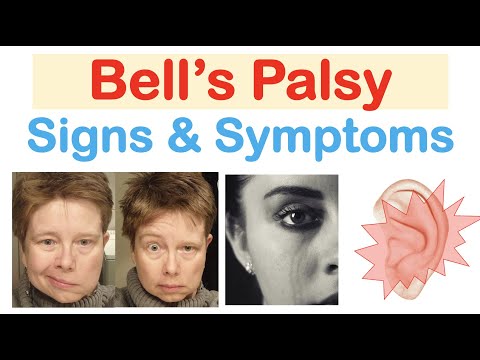
This <a href="/article/how-to-develop-self-awareness-a-practical-guide-for-indians" title="How to Develop Self-Awareness: A Practical Guide for Indians" class="internal-link">guide</a> focuses on <strong>early awareness, prevention habits, and gentle recovery</strong> — without fear, and with confidence.
Understanding Bell’s Palsy
Bell’s Palsy is not contagious and is not caused by stroke or permanent brain damage. It is a nerve condition that typically improves over time.
Early medical evaluation ensures peace of mind and helps guide effective recovery.
Advertisement
Loading partner content...
Early Signs to Be Aware Of
- Mild facial weakness or stiffness
- Difficulty closing one eye
- Changes in taste
- Facial tightness or discomfort
- Increased sensitivity to sound on one side
These signs simply indicate that the facial nerve may need care — they are not a cause for panic.
Simple Prevention Tips for Facial Nerve Health
- Support immunity: Eat nutrient-rich foods and stay hydrated.
- Manage stress: Practice relaxation, meditation, or gentle exercise.
- Get enough sleep: Rest supports nerve healing and immune balance.
- Protect from cold exposure: Keep your face warm in cold or windy conditions.
- Stay active: Gentle physical activity supports circulation and nerve health.
Gentle Recovery and Care
- Follow your healthcare provider’s guidance
- Use eye protection if blinking is affected
- Practice gentle facial exercises as recommended
- Maintain a calm and patient mindset
When to Seek Medical Advice
If you notice facial weakness, consult a <a href="/article/mental-health-awareness-in-the-workplace-building-a-supportive-environment" title="Mental Health Awareness in the Workplace: Building a Supportive Environment" class="internal-link">health</a>care professional promptly. Early evaluation helps confirm the cause and ensures the most supportive care plan.
Key Data on Bell's Palsy in India Incidence
Roughly 20–30 new cases per 100,000 population annually.
Prevalence: It is considered a relatively common, generally temporary condition, with over 70% of patients experiencing full recovery within six months, often without treatment.
Contextual Data: A study in North India observed 44 cases of Bell's palsy, with varying degrees of severity (Grade II to VI on the House-Brackman scale).
Advertisement
Loading partner content...
Demographics: While it affects all, some studies <a href="/article/effective-leadership-strategies-for-modern-workplaces-in-india" title="Effective Leadership Strategies for Modern Workplaces in India" class="internal-link">in India</a> have suggested a slightly higher incidence in males and a correlation with rural, low socioeconomic environments.
Conclusion
Bell’s Palsy has a strong recovery outlook. By <a href="/article/how-to-stay-motivated-during-tough-times-a-practical-guide-for-indians" title="How to Stay Motivated During Tough Times: A Practical Guide for Indians" class="internal-link">stay</a>ing informed, supporting your immune system, managing stress, and seeking timely care, you can protect your facial nerve health and promote smooth healing.
Awareness is not about fear — it’s about confidence, care, and well-being.