
<h1>Exploring the 'Dog Bite Menace' Rise: <a href="/article/the-supreme-court-s-investigation-into-bci-chairmanship-s-impact-on-nalsar-students-a-deep-dive-into" title="The Supreme Court's Investigation into BCI Chairmanship's Impact on NALSAR Students: A Deep Dive into Institutional Authority, Legal Accountability, and Academic Freedom" class="internal-link">A Deep Dive into</a> Societal Shifts and Legal Challenges</h1>
<p>The sharp, sudden pain. The sound of tearing flesh. The primal fear that follows. In cities and towns across India, reports of dog bite incidents have moved from isolated tragedies to a persistent, alarming trend dominating headlines and household conversations.</p>
<p>This isn't just about a few stray animals; it’s a complex societal shift where ancient bonds with canines collide with modern urban pressures, all under the scrutinising gaze of the highest court in the land. This article delves into the roots of this 'menace,' examining how the Supreme Court's interventions are reshaping public perception, community dynamics, and the very fabric of pet ownership and safety in contemporary India.</p>
<h2>The Shifting Landscape: From Companion to Controversy</h2>
<p>For generations, dogs in India existed in a largely harmonious, if informal, ecosystem. Village and community dogs were often fed by locals and left to their own devices, while pet ownership was a privilege of the few. The narrative has fractured dramatically. <b>Urbanisation</b>, <b>changing family structures</b>, and <b>increased disposable income</b> have fueled a boom in pedigree pet ownership, often with inadequate understanding of breed-specific needs or socialisation. Simultaneously, the population of free-ranging dogs has grown, frequently congregating around garbage dumps and feeding spots created by well-meaning but unregulated animal lovers.</p>
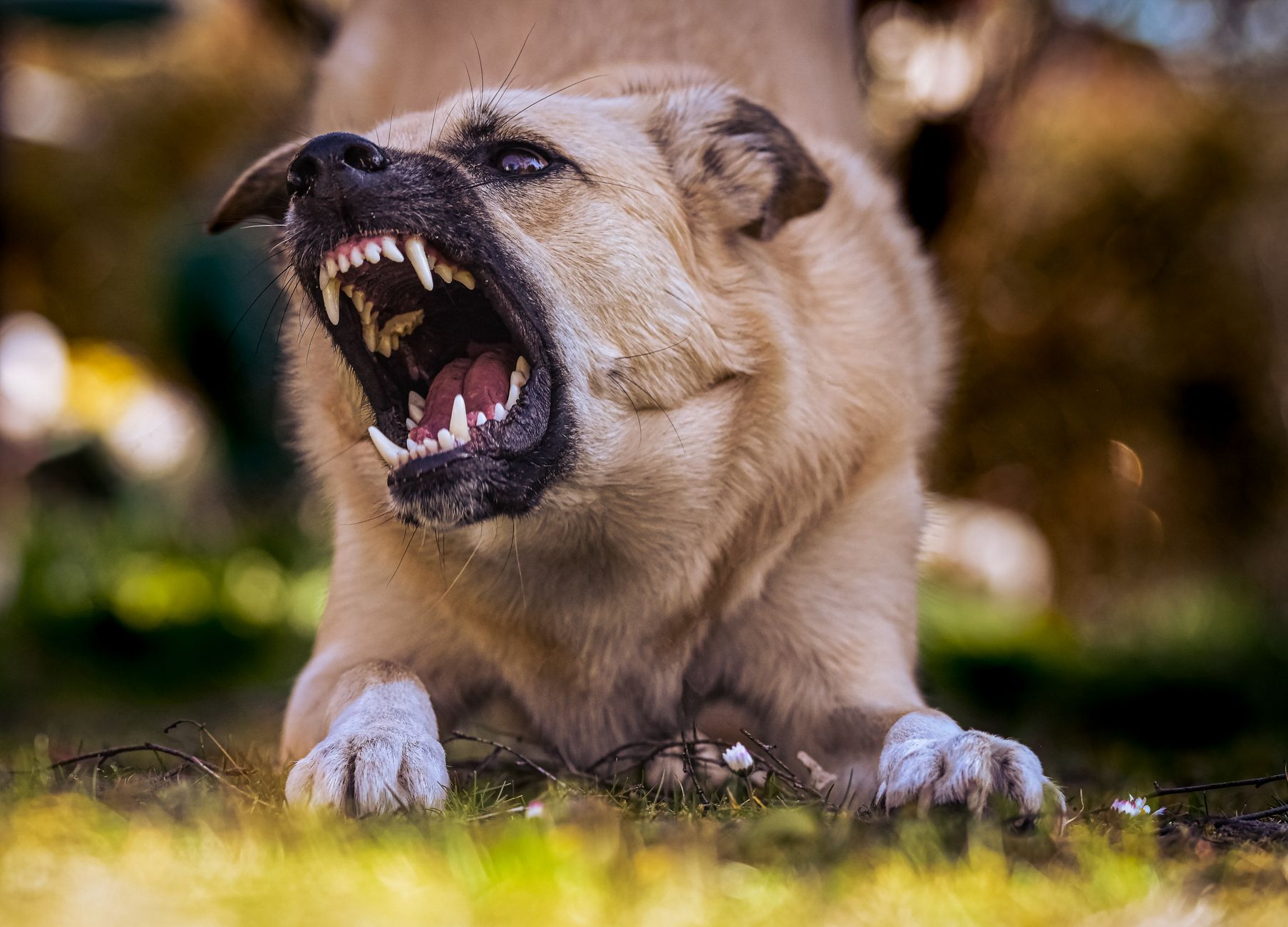
<p>This confluence has created a <b>perfect storm</b>. Dogs that are <b>unsterilized, unvaccinated, and fearful</b> of humans due to territorial competition or traumatic interactions are more likely to display aggression. The societal impact is profound, breeding a climate of <b>fear and mistrust</b> in neighbourhoods. Parks become battlegrounds, early morning walks are anxiety-inducing, and children—the most vulnerable—are often kept indoors. The debate has become emotionally charged, pitting <b>animal welfare advocates</b> against <b>victim rights groups</b>, with little middle ground.</p>
Advertisement
Loading partner content...
<h3>Historical Context: A Relationship Rewritten</h3>
<ul>
<li><b>Traditional Role:</b> Dogs as guardians of homes and livestock, often semi-feral community animals with a clear, if unofficial, place.</li>
<li><b>Colonial Influence:</b> Introduction of pedigree breeds as status symbols, creating a early divergence between 'pet' and 'pariah' dog identities.</li>
<li><b>Post-Independence Shift:</b> Rapid urbanisation led to the breakdown of traditional community structures that once managed free-ranging dog populations organically.</li>
<li><b>Modern Phenomenon:</b> The rise of nuclear families and "pet parenting" culture, sometimes treating dogs as surrogate children without preparing for the lifelong responsibility.</li>
</ul>
<h2>The Supreme Court's Gavel: Shaping the Legal Terrain</h2>
<p>The judiciary has not remained a silent observer. The Supreme Court of India has been pivotal in attempting to navigate this crisis through a series of <b>landmark directives and ongoing hearings</b>. Its involvement signifies recognition that the issue transcends municipal nuisance and touches upon <b>fundamental rights</b>—the right to life (including health and safety) versus the right to life and liberty of animals under Article 21 read with the Prevention of Cruelty to Animals Act.</p>
<p>Key judicial interventions have focused on enforcing the <b>Animal Birth Control (Dogs) Rules, 2001</b>, which mandate sterilisation and vaccination of stray dogs by local authorities and authorised NGOs. The Court has repeatedly emphasised that <b>relocation or culling is not a solution</b>, pushing instead for scientific management. However, the gap between judicial mandate and on-ground implementation remains vast, leading to public frustration and further legal petitions.</p>
<table>
<caption>Stakeholder Perspectives on Supreme Court Directives</caption>
<thead>
<tr>
<th>Stakeholder Group</th>
<th>Primary Viewpoint on SC Role</th>
<th>Key Demand/Limitation</th>
</tr>
</thead>
<tbody>
<tr>
<td><b>Victim Advocacy Groups</b></td>
<td>See SC as a necessary arbiter for stricter enforcement of safety.</td>
<td>Demand clear guidelines for immediate removal of aggressive dogs and better compensation for victims.</td>
</tr>
<tr>
<td><b>Animal Welfare NGOs</b></td>
<td>Applaud SC's stance against culling but seek more resources and authority.</td>
<td>Need government funding and police protection to carry out ABC programmes without harassment.</td>
</tr>
<tr>
<td><b>Local Municipal Corporations</b></td>
<td>View SC orders as unfunded mandates straining limited resources.</td>
<td>Require central government funding and a simplified, enforceable framework for ABC implementation.</td>
</tr>
<tr>
<td><b>Pet Owners</b></td>
<td>Fear blanket judgments and breed-specific bans arising from court scrutiny.</td>
<td>Seek clear, fair laws that hold <b>irresponsible owners</b> accountable, not specific breeds.</td>
</tr>
</tbody>
</table>
Advertisement
Loading partner content...
<h2>Societal Impact: <a href="/article/beyond-the-headlines-a-comprehensive-guide-to-india-s-dowry-death-laws-high-profile-cases-and-how-th" title="Beyond the Headlines: A Comprehensive Guide to India’s Dowry Death Laws, High‑Profile Cases, and How They Shape Society" class="internal-link">Beyond the</a> Bite</h2>
<p>The repercussions ripple far beyond the immediate physical injury. A dog bite incident often triggers <p>psychological trauma</b>, including cynophobia (fear of dogs), anxiety, and post-traumatic stress, particularly in children. This fear alters community behaviour—people avoid certain streets, parks fall into disuse, and a sense of <b>neighbourly trust erodes</b> as conflicts erupt between feeders and those demanding removal of dogs.</p>
<p>The discourse has also influenced <b>pet safety</b> norms. Responsible pet owners now face increased scrutiny and social pressure to muzzle their dogs in public, ensure secure fencing, and invest in training. Conversely, a stigma has unfairly attached to certain large breeds, leading to calls for bans that experts argue are ineffective and cruel. The core issue—<b>human responsibility</b>—often gets lost in the emotional debate.</p>
<h3>Expert Insights: Voices from the Ground</h3>
<blockquote>"Legally, we have a framework, but it's a <b>legal vacuum</b> in practice. The Rules are comprehensive on paper, but without real-time monitoring, data transparency, and inter-agency coordination, they remain a dead letter. The Supreme Court's role is to keep the executive accountable, but lasting change requires political will and public awareness." — <i>Senior Public Interest Litigator, Delhi High Court</i></blockquote>
<blockquote>"From a behavioural perspective, most aggression stems from <b>fear, pain, or resource guarding</b>. A dog that is sterilised, vaccinated, and has a stable, non-threatening environment is far less likely to bite. Our laws and community actions must focus on creating those conditions, not on punitive measures against the animals." — <i>Veterinary Behaviourist, Mumbai</i></blockquote>
<h2>Legal Reforms: The Path Forward</h2>
<p>The current legal landscape is a patchwork of <b>central rules, state municipal laws, and court orders</b>. This creates confusion and enforcement challenges. There is a growing consensus among legal experts and animal behaviourists on the need for a comprehensive <b>National Pet and Street Dog Management Act</b>. Such a law would:</p>
<ol>
<li><b>Clearly Define Responsibilities:</b> Mandating microchipping and registration of all pets, with strict penalties for abandonment.</li>
<li><b>Strengthen ABC Programme:</b> Making it a statutory duty for local bodies with specific timelines, budgets, and monitoring mechanisms.</li>
<li><b>Introduce Strict Liability:</b> Holding pet owners civilly liable for bites, regardless of the animal's prior behaviour, similar to laws in many countries.</li>
<li><b>Promote Responsible Ownership:</b> Including pre-<a href="/article/technology-adoption-success-stories-in-businesses" title="Technology adoption success stories in businesses" class="internal-link">adoption</a> counselling, behavioural training subsidies, and public education campaigns.</li>
<li><b>Establish Fast-Track Courts:</b> For dog bite cases to ensure swift justice and compensation for victims.</li>
</ol>
<p>These reforms are not just about punishment; they are about <b>prevention</b> and fostering a culture of <b>accountable cohabitation</b>.</p>
Advertisement
Loading partner content...
<h2>Real-World Examples: City Stories</h2>
<p><b>Bangalore:</b> A high-profile case where a child was mauled led to citizen protests and a <b>Supreme Court-mandated survey</b> of dog populations. The city's "ABC Surgeries" programme is now under judicial scanner for alleged irregularities, highlighting the implementation gap.</p>
<p><b>Jaipur:</b> Often cited as a success story, the city's municipality and an NGO have collaborated for years on a robust ABC programme, resulting in a <b>stable and vaccinated dog population</b> and a significant drop in bite incidents. This proves that systematic, humane management works.</p>
<p><b>Kerala:</b> The state has seen intense, often violent, clashes between animal lovers and locals. Multiple <b>Public Interest Litigations (PILs)</b> have been filed in the Kerala High Court, demanding culling, which the court has consistently refused, instead ordering strict implementation of ABC rules and formation of monitoring committees.</p>
<h2>Forward-Looking Predictions: The Next Decade</h2>
<p>The trajectory suggests that <b>legal reforms</b> are inevitable, driven by court activism and public pressure. We can expect:</p>
<ul>
<li><b>Technology Integration:</b> Apps for reporting bites, tracking ABC surgeries, and registering pets, creating transparent databases.</li>
<li><b>Community Mediation Models:</b> Local committees with representatives from RWAs, feeders, and authorities to resolve conflicts before they escalate.</li>
<li><b>A "One Health" Approach:</b> Recognising the link between human, animal, and environmental health, leading to integrated urban planning that includes waste management (removing dog food sources) and green spaces designed for safe recreation.</li>
<li><b>Shift in Public Discourse:</b> From an "us vs. them" narrative to a more nuanced understanding of <b>shared responsibility</b>, where safety and compassion are not mutually exclusive.</li>
</ul>
<h2>Conclusion: Towards a Balanced Coexistence</h2>
<p>The "dog bite menace" is not a simple problem with a simple solution. It is a mirror reflecting our <b>rapid urbanisation, evolving cultural values, and administrative shortcomings</b>. The Supreme Court has provided a crucial constitutional compass, pointing towards humane and scientific management. The societal impact, however, will be determined not in courtrooms alone, but in <a href="/article/social-norms-and-behavioral-change-how-culture-shapes-our-daily-choices-in-india" title="Social Norms and Behavioral Change: How Culture Shapes Our Daily Choices in India" class="internal-link">our daily choices</a>: as responsible pet owners, as compassionate communities, and as a society that can balance safety with empathy.</p>
<p>The path forward requires moving beyond blame and embracing a <b>collective, legally sound, and ethically grounded strategy</b>. Only then can we transform our streets from zones of fear into spaces of safe, shared existence—for humans and dogs alike.</p>
Advertisement
Loading partner content...
<<figure <a href="/article/why-india-s-middle-class-is-more-stressed-than-ever" title="Why India’s Middle Class Is More Stressed Than Ever" class="internal-link">class</a>="my-8 overflow-hidden rounded-3xl shadow-xl">
<img src="https://images.pexels.com/photos/7364544/pexels-photo-7364544.jpeg?auto=compress&cs=tinysrgb&dpr=2&h=650&w=940" alt="aggressive dog>" class="w-full h-[400px] object-cover" />
</figure>
<<figure class="my-8 overflow-hidden rounded-3xl shadow-xl">
<img src="https://images.pexels.com/photos/34817070/pexels-photo-34817070.jpeg?auto=compress&cs=tinysrgb&dpr=2&h=650&w=940" alt="courtroom>" class="w-full h-[400px] object-cover" />
</figure>
<<figure class="my-8 overflow-hidden rounded-3xl shadow-xl">
<img src="https://images.pexels.com/photos/33749805/pexels-photo-33749805.jpeg?auto=compress&cs=tinysrgb&dpr=2&h=650&w=940" alt="community meeting>" class="w-full h-[400px] object-cover" />
</figure>
<<figure class="my-8 overflow-hidden rounded-3xl shadow-xl">
<img src="https://media2.giphy.com/media/v1.Y2lkPTlkZTM3ZjIwMG5ta2IyaXczeDl1NDk3M3Z5andvbTJwb3Y1bXZ0cDdvOGE0ajlxaSZlcD12MV9naWZzX3NlYXJjaCZjdD1n/xTiTnHXbRoaZ1B1Mo8/giphy.gif" alt="debate>" class="w-full h-[400px] object-cover" />
</figure></b></i></i></i></i></p>