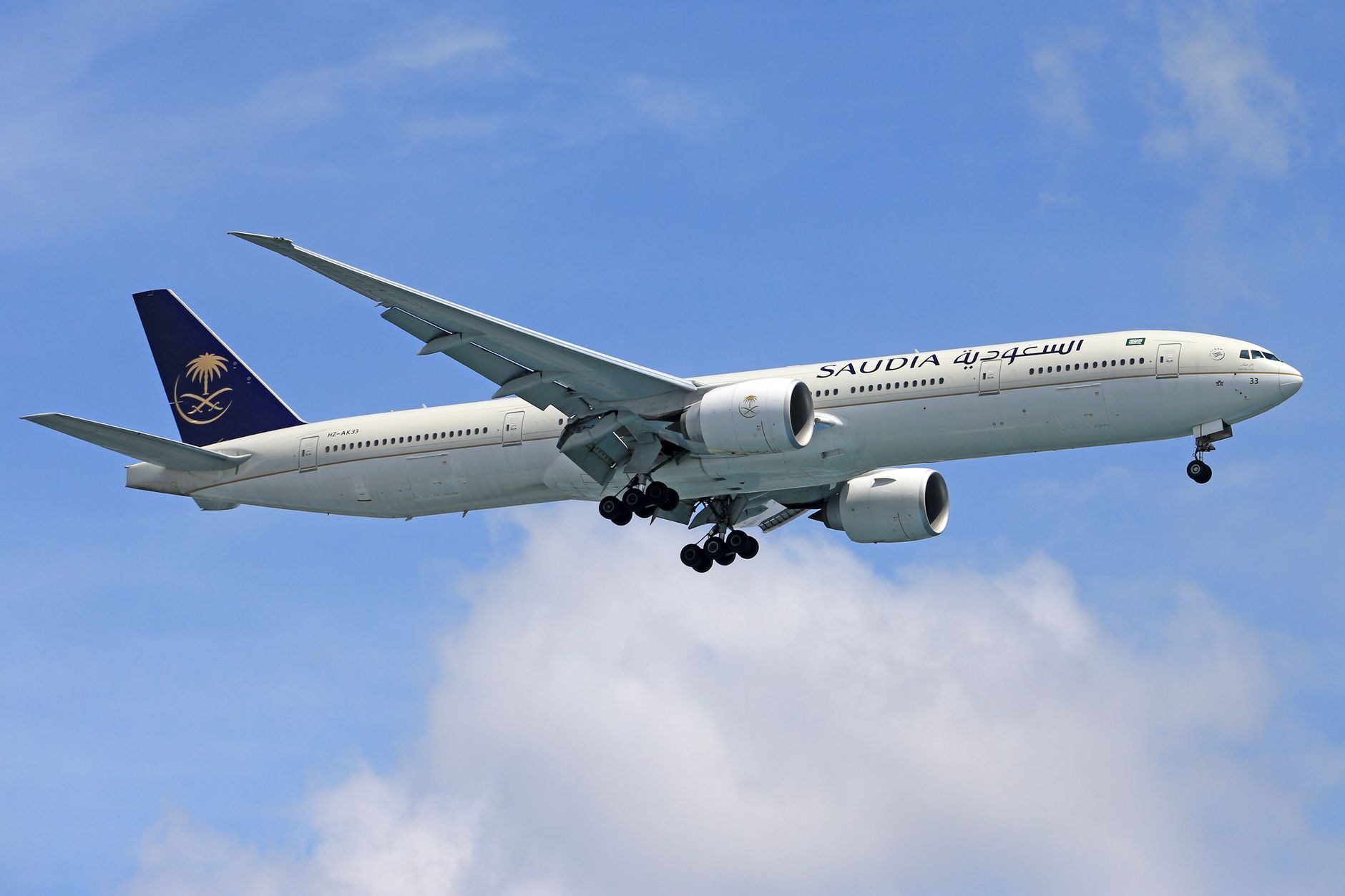

<h1>How Air India, IndiGo & Akasa Are Redefining India-Saudi Air Travel: <a href="/article/how-india-s-5-point-maritime-trade-blueprint-is-redefining-global-shipping-a-complete-guide" title="How India’s 5‑Point Maritime Trade Blueprint Is Redefining Global Shipping – A Complete Guide" class="internal-link">A Complete</a> Evergreen Guide</h1>
<p>
<figure class="my-8 overflow-hidden rounded-3xl shadow-xl">
<img src="https://ichef.bbci.co.uk/ace/branded_news/1200/cpsprodpb/317e/live/50e05140-c61f-11f1-8c89-b96b8469b965.jpg" alt="Riyadh King Khalid International Airport" class="w-full h-[400px] object-cover" />
</figure>
</p>
<p>The skies over the India-Saudi Arabia corridor are shifting fast. Recent news of route suspensions and schedule reshuffles by <b>Air India, IndiGo, and Akasa Air</b> in Riyadh, Dammam, and Jeddah has once again put this vital aviation link under scrutiny. But beyond the headlines lies a deeper story: the rapid transformation of one <a href="/article/how-the-reopening-of-the-strait-of-hormuz-could-reshape-global-oil-markets-a-complete-guide" title="How the Reopening of the Strait of Hormuz Could Reshape Global Oil Markets: A Complete Guide" class="internal-link">of the</a> world’s busiest bilateral air routes. From pilgrimage ferries to premium business shuttles, three Indian carriers are redefining how millions travel between the subcontinent and the Kingdom of Saudi Arabia.</p>
<p>This guide unpacks the history, current dynamics, and future trajectory of India-Saudi aviation through the lens of these three airlines.</p>
Advertisement
Loading partner content...
<h2>Historical Foundations: The Birth of India-KSA Air Links</h2>
<p>
Commercial air travel between India and Saudi Arabia began in the 1950s, long before the bilateral aviation boom of the 2000s. In 1955, Saudia (Saudi Arabian Airlines) launched the first direct flights between Bombay (now Mumbai) and Jeddah, primarily serving Hajj and Umrah pilgrims. At the time, air travel was a luxury few could afford, and the route catered largely to religious tourism.
</p>
<p>
Fast-forward to 2026: the India-Saudi Arabia air corridor connects over <b>12 million passengers annually</b>, making it one of the top five international routes globally. The growth has been fueled by several factors:
</p>
<ul>
<li>A massive Indian diaspora workforce in Saudi Arabia (over 2.5 million as of 2026).</li>
<li>Increasing leisure and business travel post-pandemic normalization.</li>
<li>Bilateral air service agreements that allow multiple carriers from both sides.</li>
<li>Improved connectivity via secondary cities like Dammam and Madinah.</li>
</ul>
Advertisement
Loading partner content...
<p>
The bilateral agreement signed in 2016 significantly expanded capacity. It allowed up to 60 weekly flights each way, enabling new entrants like IndiGo and Akasa to join legacy carriers like Air India and Saudia on key routes.
</p>
<blockquote>
“India-Saudi aviation is no longer just about pilgrimage—it's about people, trade, and cultural exchange,” says aviation analyst Rajesh Kumar. “The corridor reflects the deepening economic ties between the two nations.”
</blockquote>
<h3>Pilgrimage: The Backbone of Demand</h3>
<p>
Religious travel remains the single largest driver of passenger volume. Every year, over <b>8 million Indian Muslims</b> perform Hajj and Umrah, accounting for nearly 70% of total India-Saudi air traffic during peak seasons. Airlines compete fiercely for these seats, often offering subsidized fares and group booking incentives.
</p>
<p>
However, the seasonal nature of pilgrimage creates sharp demand cycles. Carriers must balance profitability with the need to serve this critical but volatile segment—an ongoing challenge that explains many recent scheduling decisions.
</p>
Advertisement
Loading partner content...
<h2>Carrier Profiles & Strategies: Who’s Flying Where?</h2>
<p>
As of 2026, three major Indian carriers dominate the India-Saudi skies: <b>Air India, IndiGo, and Akasa Air</b>. Each has adopted a distinct strategy tailored to market demands and operational strengths.
</p>
<h3>Air India: Full-Service Legacy with Global Reach</h3>
<p>
<b>Air India</b>, now part of the Tata Group, operates a robust network connecting major Indian metros to Riyadh, Jeddah, and Dammam. With a modernized fleet including Boeing 787 Dreamliners and Airbus A350s, the airline emphasizes comfort and reliability.
</p>
<p>
Its positioning is clear: <b>premium full-service carrier targeting high-yield passengers</b>, including business travelers, VVIP delegations, and affluent pilgrims seeking enhanced amenities. In FY 2025–26, Air India carried over <b>4.2 million passengers</b> on India-Saudi routes, capturing approximately 35% of the market share.
</p>
Advertisement
Loading partner content...
<p>
Recent investments in cabin upgrades, lounge access, and digital booking systems have strengthened its appeal among corporate clients and government officials traveling for diplomatic missions.
</p>
<h3>IndiGo: Low-Cost Dominance and Scale</h3>
<p>
<b>IndiGo</b> continues its relentless push into long-haul international markets, including Saudi Arabia. Operating primarily narrow-body A320neo and A321neo aircraft, the budget giant focuses on price-sensitive travelers—especially migrant workers and first-time pilgrims.
</p>
<p>
<a href="/article/5g-technology-in-2026-revolutionizing-connectivity-and-shaping-india-s-digital-future" title="5G Technology in 2026: Revolutionizing Connectivity and Shaping India's Digital Future" class="internal-link">In 2026</a>, IndiGo serves over <b>20 weekly flights</b> across India-Saudi routes, with daily services from Bangalore, Hyderabad, and Kochi to Riyadh and Jeddah. Its ultra-low-cost model appeals to budget-conscious passengers who prioritize affordability over frills.
</p>
<p>
Despite lower unit revenues, IndiGo's massive scale allows it to maintain healthy load factors above 85%, making it a formidable competitor even against state-owned Saudia.
</p>
Advertisement
Loading partner content...
<h3>Akasa Air: The New Challenger</h3>
<p>
Launched in 2022, <b>Akasa Air</b> has quickly carved out a niche in the premium-low segment. Unlike IndiGo, Akasa offers limited but curated services with a focus on customer experience—think spacious seating, complimentary meals, and priority boarding.
</p>
<p>
Though smaller in scale, Akasa has made strategic moves into high-demand corridors like Mumbai-Riyadh and Delhi-Jeddah. As of early 2026, it operates <b>seven weekly flights</b> to Saudi Arabia using brand-new Boeing 737 MAX 8 aircraft.
</p>
<p>
Akasa’s lean structure and agile decision-making give it an edge in responding to sudden shifts in demand—making it a wildcard in the evolving landscape.
</p>
<table border="1" cellpadding="8" cellspacing="0">
<tr>
<th>Airline</th>
<th>Fleet Type</th>
<th>Weekly Flights to KSA</th>
<th>Market Positioning</th>
</tr>
<tr>
<td>Air India</td>
<td>Boeing 787 / A350</td>
<td>~25</td>
<td>Premium Full-Service</td>
</tr>
<tr>
<td>IndiGo</td>
<td>Airbus A320neo / A321neo</td>
<td>20+</td>
<td>Budget Low-Cost</td>
</tr>
<tr>
<td>Akasa Air</td>
<td>Boeing 737 MAX 8</td>
<td>7</td>
<td>Premium Low-Cost</td>
</tr>
</table>
Advertisement
Loading partner content...
<h2>Why Suspensions Happen: Behind the Curtain</h2>
<p>
Route suspensions aren’t always signs of failure—they’re often strategic recalibrations. Several factors influence when carriers pause or reduce frequencies on India-Saudi routes:
</p>
<ol>
<li><b>Demand Cycles:</b> Post-Hajj periods see dramatic drops in passenger numbers, prompting temporary cuts.</li>
<li><b>Aircraft Availability:</b> Maintenance schedules, delivery delays, or fleet reallocations can ground planes temporarily.</li>
<li><b>Slot Constraints:</b> Major airports like Riyadh and Jeddah impose strict slot limitations during peak hours.</li>
<li><b>Economic Pressures:</b> Rising fuel costs, currency fluctuations, and rising labor expenses impact route viability.</li>
<li><b>Regulatory Norms:</b> Changes in aviation policies or safety certifications may force short-term halts.</li>
</ol>
<p>
For instance, in mid-2026, Air India briefly suspended its <b>Delhi-Dammam</b> route due to low occupancy post-Hajj season. Similarly, Akasa adjusted its <b>Mumbai-Riyadh</b> frequency after encountering unexpected maintenance backlogs.
</p>
<blockquote>
“Suspensions are part of the normal rhythm of commercial aviation,” explains Capt. Anil Mehta, former director general of civil aviation. “Carriers must stay flexible to remain profitable.”
</blockquote>
Advertisement
Loading partner content...
<h2>Traveler & Market Impact: Ripple Effects Across Segments</h2>
<p>
When flights are suspended, ripple effects spread across all passenger types—from pilgrims planning last-minute Umrah trips to executives rushing to close deals in Riyadh.
</p>
<h3>Pilgrims: The Most Vulnerable Group</h3>
<p>
Pilgrims often book months in advance and rely heavily on discounted group fares. When suspensions occur, they face limited options and soaring prices. Alternative routes—such as flying via Dubai or Doha—add time and cost to already tight budgets.
</p>
<p>
In 2025, when Air India paused select flights during Ramadan, many Indian pilgrims were forced to reroute through Muscat, adding up to six hours of travel time and extra visa requirements.
</p>
Advertisement
Loading partner content...
<h3>Business Travelers: Flexibility Matters</h3>
<p>
Corporate travelers typically prefer direct flights for convenience and productivity. Suspensions disrupt tight schedules, forcing last-minute changes to hotels, meetings, and logistics. However, business class offerings from remaining carriers usually absorb most displaced traffic.
</p>
<h3>Leisure Travelers: Opportunity Knocks</h3>
<p>
Leisure travelers, particularly those visiting family and friends (VFR), often adapt by shifting dates or choosing alternate airports. For example, instead of flying directly to Jeddah, some opt for Medina or even cross-border entries via Jordan.
</p>
<h2>India’s Aviation Ambitions: Policy Meets Practice</h2>
Advertisement
Loading partner content...
<p>
India’s push to become a global aviation hub aligns closely with its Middle East outreach. Two key policy frameworks shape this vision:
</p>
<ul>
<li><b>UDAN Scheme:</b> Launched in 2017, UDAN aims to boost regional connectivity. While focused domestically, it indirectly supports international expansion by improving feeder networks.</li>
<li><b>Open Skies Agreements:</b> India has signed such agreements with over 50 countries, including Saudi Arabia, allowing unrestricted access to designated cities.</li>
</ul>
<p>
These initiatives empower private carriers like IndiGo and Akasa to expand internationally without heavy regulatory barriers. Meanwhile, public-private partnerships help upgrade infrastructure at secondary airports, creating new gateways to the Gulf.
</p>
<p>
In 2026, the Indian government announced plans to develop <b>five new international cargo hubs</b>, three of which will serve Middle Eastern destinations—including a dedicated terminal at Lucknow Airport for Saudi-bound freight and passengers.
</p>
<h2>Future Outlook & Trends: Charting the Next Decade</h2>
Advertisement
Loading partner content...
<p>
Looking ahead to 2025–2030, several trends promise to reshape the India-Saudi air bridge:
</p>
<ol>
<li><b>New Aircraft Orders:</b> Both Air India and IndiGo have placed orders for wide-body jets capable of nonstop flights to deeper Saudi cities like Tabuk and Neom.</li>
<li><b>Rise of Hybrid Models:</b> Expect more hybrid offerings blending low-cost efficiency with premium touches—especially from startups eyeing untapped niches.</li>
<li><bDigital Integration:</b> AI-powered pricing tools, dynamic seat allocation, and personalized travel apps will enhance passenger engagement and loyalty.</li>
<li><bGreen Aviation Goals:</b> All three carriers are investing in sustainable aviation fuels (SAF) and fuel-efficient engines to meet India’s net-zero targets by 2070.</li>
<li><b>New Entrants:</b> Startups like Akasa and proposed ventures from regional players may introduce fresh competition, especially on underserved routes.</li>
</ol>
<p>
By 2030, experts predict the India-Saudi aviation market could exceed <b>$7 billion in revenue</b>, with passenger numbers surpassing 18 million annually. Sustainability, flexibility, and innovation will define winners in this hypercompetitive space.
</p>
<h2>Traveler Takeaways & Conclusion: Navigating Disruptions Smartly</h2>
<p>
Whether you’re a frequent flyer or a first-time pilgrim, here’s what you should know to navigate disruptions effectively:
</p>
Advertisement
Loading partner content...
<ul>
<li><b>Book Early:</b> Lock in tickets well ahead of peak seasons to avoid price hikes and seat shortages.</li>
<li><b>Stay Flexible:</b> Opt for refundable fares and keep alternate dates open when possible.</li>
<li><b>Check Alternate Routes:</b> Consider flying via secondary cities or neighboring countries if direct options are suspended.</li>
<li><b>Use Trusted Platforms:</b> Leverage official airline websites and verified travel agents rather than third-party aggregators.</li>
<li><b>Monitor News:</b> Stay updated on suspension alerts, policy changes, and seasonal adjustments through reliable sources.</li>
</ul>
<p>
The India-Saudi air corridor stands at a pivotal moment. While suspensions grab headlines, they reflect the natural evolution of a maturing market—one where adaptability, investment, and vision matter more <a href="/article/why-india-s-middle-class-is-more-stressed-than-ever" title="Why India’s Middle Class Is More Stressed Than Ever" class="internal-link">than ever</a>. Whether you’re flying with <b>Air India’s premium service, IndiGo’s rock-bottom fares, or Akasa’s emerging promise</b>, the journey ahead promises exciting developments for travelers, airlines, and policymakers alike.
</p>
<p>
As India positions itself as Asia’s next great aviation powerhouse, the skies between New Delhi and Riyadh will only grow busier—<a href="/article/health-fitness-in-india-2026-the-complete-guide-to-living-stronger-longer-and-smarter" title="Health & Fitness in India 2026: The Complete Guide to Living Stronger, Longer, and Smarter" class="internal-link">and smarter</a>.
</p>
<p>
<figure class="my-8 overflow-hidden rounded-3xl shadow-xl">
<img src="https://images.pexels.com/photos/13214380/pexels-photo-13214380.jpeg?auto=compress&cs=tinysrgb&dpr=2&h=650&w=940" alt="Indian family boarding plane" class="w-full h-[400px] object-cover" />
</figure>
</p>
Advertisement
Loading partner content...
<p>
<figure class="my-8 overflow-hidden rounded-3xl shadow-xl">
<img src="https://www.livemint.com/lm-img/img/2026/10/08/1600x900/logo/2-0-123251037-HAL-4C-0_1681889762060_1791465841390_u75S_52a048d2-b514-4bc5-bb00-819098b46484_KrCK.jpg" alt="Airbus A320neo IndiGo" class="w-full h-[400px] object-cover" />
</figure>
</p>
<p>
<figure class="my-8 overflow-hidden rounded-3xl shadow-xl">
<img src="https://images.pexels.com/photos/6544058/pexels-photo-6544058.jpeg?auto=compress&cs=tinysrgb&dpr=2&h=650&w=940" alt="Business traveler checking flight status" class="w-full h-[400px] object-cover" />
</figure>
</p>
<p>
<figure class="my-8 overflow-hidden rounded-3xl shadow-xl">
<img src="https://s.yimg.com/lo/mysterio/api/b6f8cba88c257c0ad22bb5de6a2b7a7329cb086d21b14bbc153f11a44ff7e5a3/lightyear_networkapi/resizefill_w1200%3Bquality_80%3Bformat_webp/https%3A%2F%2Fmedia.zenfs.com%2Fen%2Fafp.com%2F6894d7c009d66abc550247ea0309925f.jpg" alt="King Abdulaziz International Airport Jeddah" class="w-full h-[400px] object-cover" />
</figure>
</p></b></b></i></i></i></i></i>