
How Iran-Israel War Impacts Indian Economy and Businesses: India's Strategic Response
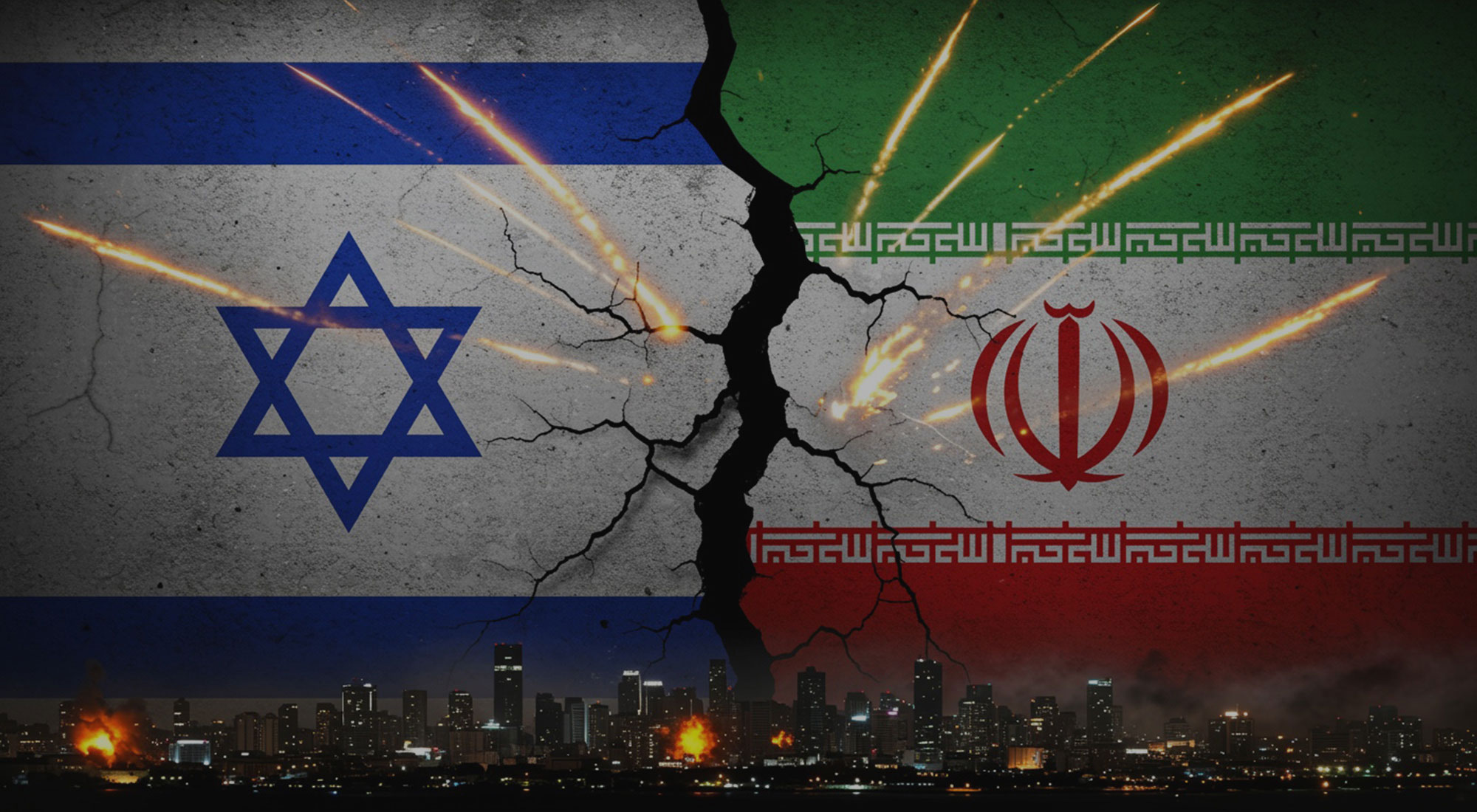
The escalating conflict between Iran and Israel, fueled by regional <a href="/article/navigating-geopolitical-tensions-a-strategic-response-to-israeli-criticism" title="Navigating Geopolitical Tensions: A Strategic Response to Israeli Criticism" class="internal-link">tensions a</a>nd global power dynamics, has sent shockwaves far beyond the Middle East. For India, a nation deeply intertwined with both the region and its own complex economic interests, the reverberations are profound and multifaceted. This article examines the tangible impacts of the Iran-Israel war on the Indian economy and businesses, and crucially, outlines <a href="/article/the-strategic-shift-how-trump-s-envoy-is-redefining-u-s-iran-diplomacy-and-what-it-means-for-global-" title="The Strategic Shift: How Trump’s Envoy Is Redefining U.S.-Iran Diplomacy and What It Means for Global Markets" class="internal-link">the strategic</a> measures India must undertake to navigate this volatile landscape and safeguard its economic future.
Immediate Economic Fallout
The war's most direct economic impact on India stems from its heavy dependence on Middle Eastern <a href="/article/india-s-60-b-russian-oil-pivot-how-us-tariff-threats-are-reshaping-global-energy-politics-and-what-i" title="India’s $60 B Russian Oil Pivot: How US Tariff Threats Are Reshaping Global Energy Politics and What It Means for India’s Energy Future" class="internal-link">energy</a> imports. <b>India imports over 85% of its crude oil needs, with a significant portion sourced from the Gulf Cooperation Council (GCC) countries, including Iran and Saudi Arabia.</b> While India has historically reduced its Iranian oil imports following US sanctions, the region remains a critical supplier. Any disruption to oil flows, whether through attacks on tankers, sanctions, or heightened regional instability, directly threatens India's energy security and drives up global oil prices.
<b>The surge in global oil prices is a double-edged sword.</b> While it benefits oil-exporting nations like India's neighbors, it acts as a significant drag on India's import bill and inflation. Higher oil prices translate into increased costs for transportation, manufacturing, and agriculture, squeezing household budgets and corporate margins. This inflationary pressure forces the Reserve Bank of India (RBI) into a difficult position, potentially delaying interest rate cuts and slowing economic growth.
Advertisement
Loading partner content...
Supply Chain Disruptions and Commodity Volatility
The conflict disrupts established trade routes and shipping lanes. The Red Sea, a vital artery <a href="/article/mastering-saas-marketing-essential-strategies-for-indian-businesses" title="Mastering SaaS Marketing: Essential Strategies for Indian Businesses" class="internal-link">for Indian</a> exports (especially textiles, gems, and jewelry) and imports (including crucial components for electronics and automobiles), faces heightened piracy risks and potential naval blockades. This uncertainty forces businesses to seek more expensive alternative routes, increasing logistics costs and delivery times. <b>Indian exporters face a dual threat: higher costs and potential delays impacting competitiveness in global markets.</b>
Beyond oil, the war impacts other key commodities. India is a major importer of fertilizers and metals. Sanctions on Iran and potential disruptions to Russian supplies (already strained by the Ukraine war) could tighten global markets for these essential inputs, further inflating costs for Indian industries and farmers. The volatility in commodity prices adds another layer of uncertainty for businesses planning investments and operations.
Business Sector Vulnerabilities
Energy Sector: Navigating Price Volatility
For the Indian energy sector, the war presents a complex challenge. While higher oil prices boost revenue for domestic producers, they increase the subsidy burden for the government and the cost of living for consumers. Companies like Reliance Industries, a major player in refining and petrochemicals, benefit from higher margins on refined products. However, the overall economic slowdown induced by inflation dampens demand. <b>Energy firms must balance hedging strategies against price volatility while advocating for sustainable policy frameworks that shield consumers without crippling fiscal health.</b>
Advertisement
Loading partner content...
Logistics and Shipping: Cost Escalation and Risk
Indian logistics companies and shipping lines face immediate cost pressures. The need for rerouting shipments around the Red Sea or Gulf of Aden incurs significant fuel surcharges and longer transit times. Insurance costs for vessels traversing high-risk areas have skyrocketed. This translates into higher costs for Indian exporters and importers, impacting the competitiveness of Indian goods in global markets and increasing the price of imported goods for Indian consumers. Companies like Gati Ltd. and Blue Dart Express must innovate and diversify routes while managing these escalating operational costs.
Technology and Electronics: Component Shortages and Cost Pressures
The electronics and automotive industries, heavily reliant on components sourced from East Asia and Europe, face indirect but significant impacts. While not directly targeted, the broader instability in global trade and potential sanctions could disrupt supply chains. Furthermore, the increased cost of <a href="/article/how-india-s-5-point-maritime-trade-blueprint-is-redefining-global-shipping-a-complete-guide" title="How India’s 5‑Point Maritime Trade Blueprint Is Redefining Global Shipping – A Complete Guide" class="internal-link">shipping a</a>nd insurance adds to the cost of doing business. Indian firms like Tata Elxsi and Tech Mahindra, which provide design and support services, may see opportunities in helping clients navigate supply chain disruptions, but the overall environment remains challenging.
Finance and Currency: Managing Capital Flows and Exchange Rates
The war contributes to global risk aversion. Capital flight from emerging markets like India towards perceived safer havens (like the US dollar) can put downward pressure on the Indian rupee. A weaker rupee makes imports more expensive (exacerbating inflation) and makes Indian exports cheaper, potentially boosting them. However, sustained weakness can lead to imported inflation and erode corporate profitability for companies with significant foreign debt. The RBI must carefully manage forex reserves and interest rates to maintain stability without stifling growth.
Advertisement
Loading partner content...
India's Strategic Imperative: Navigating the Storm
India cannot afford to be a passive observer. Its response requires a multi-pronged strategy encompassing diplomacy, economic policy, and business adaptation.
Diplomatic Engagement: Balancing Relationships
India must continue its delicate balancing act. Maintaining strong, pragmatic ties with both Iran and Israel is crucial. While India has historically prioritized its relationship with Iran due to energy needs and regional stability concerns, it has also deepened defense and strategic ties with Israel. <b>India's diplomatic corps must work tirelessly to de-escalate tensions, advocate for dialogue, and ensure the conflict does not spiral into a broader regional war that directly threatens Indian interests.</b> This involves leveraging its position as a non-aligned power and engaging with all stakeholders, including the US, Russia, and Gulf states.
Energy Diversification and Security
Reducing dependence on any single source or region is paramount. India must accelerate efforts to diversify its energy mix: increasing domestic production (including from renewable sources), boosting imports from stable suppliers like Iraq and the UAE, and investing in strategic petroleum reserves. Strengthening naval capabilities to protect shipping lanes and exploring partnerships for secure energy corridors are also vital.
Advertisement
Loading partner content...
Supply Chain Resilience: Reshoring and Diversification
The war underscores the vulnerability of complex global supply chains. India must invest heavily in building resilient, diversified supply chains. This includes incentivizing domestic manufacturing through schemes like PLI (Production Linked Incentives), fostering regional manufacturing hubs within the South Asian Association for Regional Cooperation (SAARC) framework, and exploring partnerships with ASEAN nations. Encouraging companies to diversify suppliers away from high-risk regions is essential.
Fiscal and Monetary Policy: Inflation Management and Growth Support
The RBI and the government face a tightrope walk. Containing inflation, driven significantly by energy and food prices, is critical. This may involve targeted subsidies, efficient distribution mechanisms, and strategic stockpiling. Simultaneously, measures to support growth – such as infrastructure investment, easing regulatory burdens for businesses, and promoting exports – are necessary to offset the negative economic headwinds. The government must prioritize fiscal discipline while providing targeted relief.
Business Adaptation and Innovation
Indian businesses need to be agile and innovative. Companies must conduct thorough risk assessments, diversify suppliers, invest in technology for supply chain visibility, and explore new markets. Sectors like pharmaceuticals, where India is a global supplier, must ensure uninterrupted production. The IT sector, while less directly impacted, should focus on enhancing client value through digital transformation solutions that help businesses navigate uncertainty. Fostering a culture of resilience and adaptability is key.
Advertisement
Loading partner content...
Conclusion: A Test of Strategic Acumen
The Iran-Israel war is not merely a distant conflict; it is a potent catalyst for economic disruption impacting India's energy security, trade flows, inflation, and business confidence. The path forward demands a proactive, coordinated, and strategic response from the Indian government and businesses alike. By diversifying energy sources, building resilient supply chains, engaging diplomatically, and fostering economic agility, India can mitigate the worst impacts and emerge stronger. This crisis presents an opportunity to accelerate structural reforms and build a more self-reliant and resilient economy capable of weathering future global shocks. The choices India makes today will profoundly shape its economic trajectory for years to come.