<h1>Iran's Shadow Play: How Tehran Targeted Trump During the NATO Summit and the Evolution of State-Sponsored Cyber Espionage</h1>
<p><figure class="my-8 overflow-hidden rounded-3xl shadow-xl">
<img src="https://i.insider.com/6a736cb44327cd5a0ae2ecaa?width=1200&format=jpeg" alt="Donald Trump NATO Summit 2019" class="w-full h-[400px] object-cover" />
</figure></p>
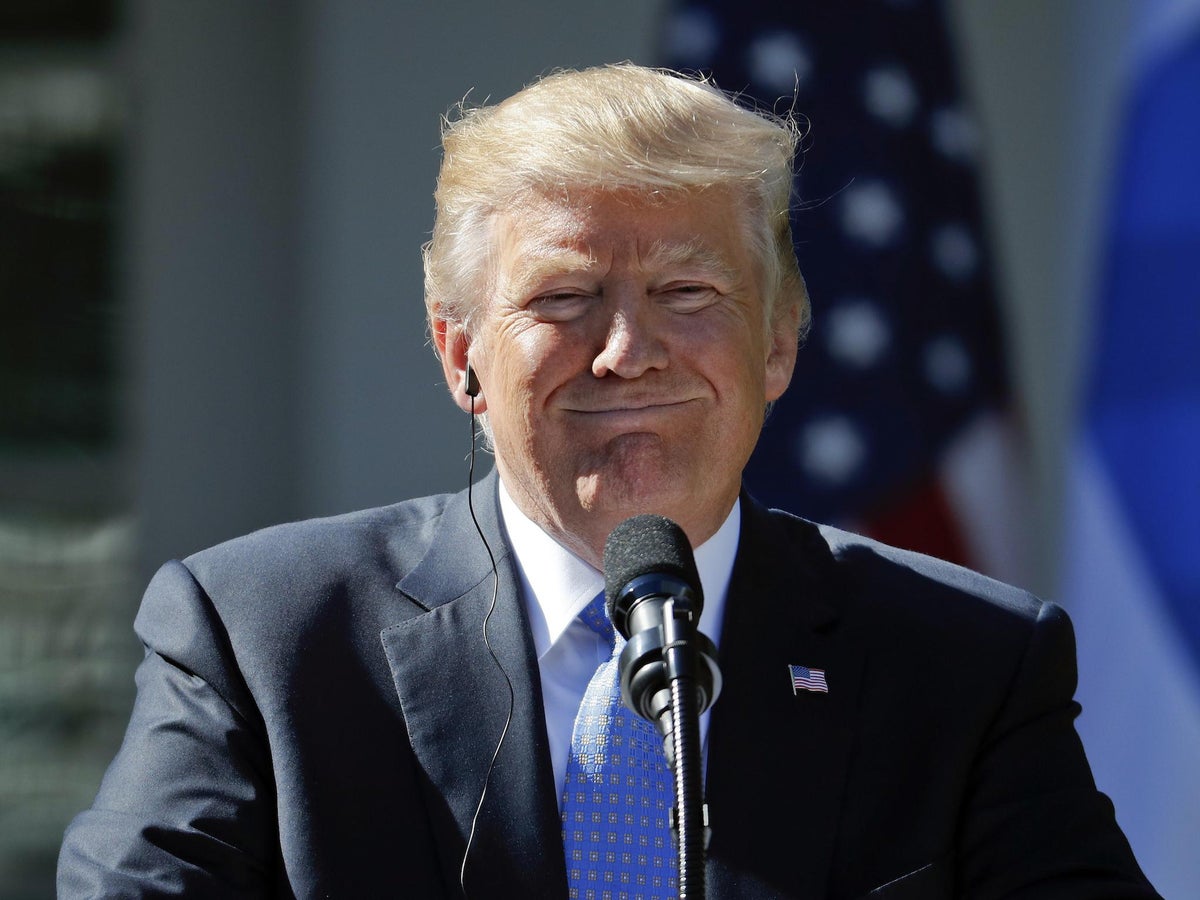
<p>In the summer of 2019, as world leaders gathered for the NATO summit in London, a parallel battle was unfolding in the digital shadows. Reports emerged suggesting that Iranian cyber operatives had set their sights on <b>Donald Trump</b> during this high-stakes diplomatic event. This wasn't merely about gathering intelligence—it was about projecting power, influencing outcomes, and sending a message across the <a href="/article/navigating-geopolitical-tensions-a-strategic-response-to-israeli-criticism" title="Navigating Geopolitical Tensions: A Strategic Response to Israeli Criticism" class="internal-link">geopolitical</a> chessboard.</p>
<p>The incident highlighted a new frontier in international conflict: <b>state-sponsored cyber espionage</b> targeting political leaders during pivotal moments. As we delve into this story, we uncover not just the methods used, but the broader implications <a href="/article/the-strategic-shift-how-trump-s-envoy-is-redefining-u-s-iran-diplomacy-and-what-it-means-for-global-" title="The Strategic Shift: How Trump’s Envoy Is Redefining U.S.-Iran Diplomacy and What It Means for Global Markets" class="internal-link">for global</a> diplomacy in an age where a keystroke can be as potent as a missile.</p>
<h2>Historical Context: Iran's Rise in Cyber Warfare</h2>
Advertisement
Loading partner content...
<p>Iran's journey into the realm of cyber warfare began long before the 2019 NATO summit controversy. The nation's interest in digital conflict was sparked by early encounters with Western cyber operations, particularly the infamous <b>Stuxnet attack</b> in 2010, which severely damaged Iran's nuclear program.</p>
<p>This experience galvanized Iranian leadership to invest heavily in cyber capabilities. By 2019, Iran had developed a sophisticated ecosystem of state-backed hacking groups, including the notorious <b>APT33</b> (also known as Elfin), known for their precision-targeted attacks and advanced persistent threat tactics.</p>
<blockquote>
<p>"Iran's cyber strategy is fundamentally about deterrence and asymmetric warfare," explains Dr. Sanjay Basu, a cybersecurity expert at Stanford University. "They've learned from Stuxnet and other Western interventions, using cyber tools to level the playing field against more traditionally powerful adversaries."</p>
</blockquote>
<p>The 2017 <b>WannaCry ransomware attack</b>, attributed to North Korea but often confused with Iranian operations, demonstrated the global reach and disruptive potential of state-sponsored malware. For Iran, it served as both a cautionary tale and a blueprint for future operations.</p>
<h3>Key Milestones in Iran's Cyber Evolution</h3>
Advertisement
Loading partner content...
<ul>
<li><b>2010:</b> Stuxnet attack on nuclear facilities catalyzes Iran's cyber defense initiatives.</li>
<li><b>2012:</b> Shamoon virus wipes data from Saudi Aramco systems, showcasing Iran's offensive capabilities.</li>
<li><b>2016:</b> New World Hacking group targets U.S. political figures, raising alarms about election interference.</li>
<li><b>2019:</b> Alleged targeting of Trump during NATO summit marks escalation in leader-focused cyber espionage.</li>
</ul>
<h2>Anatomy of the Alleged Attack: Methods and Tactics</h2>
<p>According to cybersecurity analysts, the reported Iranian operation targeting Trump during the NATO summit likely involved a multi-pronged approach designed to maximize both access and impact. While specific technical details remain classified, experts have pieced together a plausible scenario based on known Iranian TTPs (Tactics, Techniques, and Procedures).</p>
<p>The primary method would have been <b>spear-phishing campaigns</b>, where cybercriminals send highly personalized emails to high-value targets. These messages often contain malicious attachments or links that, once clicked, install malware capable of exfiltrating sensitive data or establishing persistent surveillance.</p>
Advertisement
Loading partner content...
<p><figure class="my-8 overflow-hidden rounded-3xl shadow-xl">
<img src="https://images.pexels.com/photos/5380618/pexels-photo-5380618.jpeg?auto=compress&cs=tinysrgb&dpr=2&h=650&w=940" alt="Cyber attack visualization" class="w-full h-[400px] object-cover" />
</figure></p>
<p>Beyond email-based infiltration, Iranian operatives might have employed <b>supply chain attacks</b>, compromising third-party vendors or service providers trusted by government agencies. This technique allows attackers to bypass direct security measures and gain access through less secure pathways.</p>
<table border="1" cellpadding="10" cellspacing="0">
<tr>
<th>Attack Vector</th>
<th>Description</th>
<th>Potential Impact</th>
</tr>
<tr>
<td>Spear Phishing</td>
<td>Targeted emails with malicious payloads</td>
<td>Device compromise, credential theft</td>
</tr>
<tr>
<td>Supply Chain</td>
<td>Compromising trusted software/hardware vendors</td>
<td>Broad network infiltration</td>
</tr>
<tr>
<td>Zero-Day Exploits</td>
<td>Using previously unknown vulnerabilities</td>
<td>Silent system takeover</td>
</tr>
<tr>
<td>Social Engineering</td>
<td>Manipulating individuals for access</td>
<td>Physical or digital entry points</td>
</tr>
</table>
<p>Additionally, <b>zero-day exploits</b>—vulnerabilities unknown to software vendors—might have been leveraged to gain unauthorized access to secure networks. Such exploits are highly prized in the cyber warfare arsenal due to their ability to bypass existing defenses undetected.</p>
<h2>Geopolitical Motivations: Why Target Trump?</h2>
Advertisement
Loading partner content...
<p>The decision to allegedly target Trump during the NATO summit was driven by a confluence of geopolitical factors. At the time, <b>U.S.-Iran relations</b> were already strained following the U.S. withdrawal from the Joint Comprehensive Plan of Action (JCPOA) in 2018.</p>
<p>Trump's hardline stance on Iran, including escalating sanctions and rhetoric about military action, made him a prime target for retaliatory cyber operations. The NATO summit provided a unique opportunity to demonstrate Iran's reach and capabilities on the world stage.</p>
<blockquote>
<p>"Targeting a sitting U.S. president during an international summit sends a powerful signal," notes Prof. Maria Chen, Director of Geopolitical Studies at King's College London. "It's not just about intelligence gathering—it's psychological warfare, aimed at undermining confidence and influencing policy decisions."</p>
</blockquote>
Advertisement
Loading partner content...
<p>From Iran's perspective, disrupting or monitoring Trump's communications during the summit could serve multiple purposes:</p>
<ol>
<li><b>Deterrence:</b> Demonstrating the cost of continued aggression.</li>
<li><b>Intelligence Gathering:</b> Understanding U.S. negotiating positions and alliance dynamics.</li>
<li><b>Propaganda:</b> Undermining Trump's credibility among allies.</li>
<li><b>Escalation Control:</b> Monitoring for signs of imminent military action.</li>
</ol>
<h2>Technical Execution: How State-Sponsored Attacks Work</h2>
<p>To understand the sophistication behind these operations, it's crucial to examine how state-sponsored cyber attacks are typically executed. Unlike random criminal hacking attempts, these missions are meticulously planned over months or years.</p>
Advertisement
Loading partner content...
<p>The process usually begins with <b>reconnaissance</b>, where attackers map out their target's digital infrastructure, identify key personnel, and study behavioral patterns. Advanced tools like <b>network scanning software</b> and <b><a href="/article/unlocking-the-power-of-social-media-marketing-tactics" title="Unlocking the Power of Social Media Marketing Tactics" class="internal-link">social media</a> monitoring platforms</b> are employed to gather actionable intelligence.</p>
<p>Once targets are identified, attackers develop <b>custom malware</b> tailored to exploit specific vulnerabilities. This might include keyloggers to capture passwords, remote access trojans (RATs) for persistent surveillance, or data exfiltration tools designed to silently transfer files to attacker-controlled servers.</p>
<p><figure class="my-8 overflow-hidden rounded-3xl shadow-xl">
<img src="https://images.pexels.com/photos/5483077/pexels-photo-5483077.jpeg?auto=compress&cs=tinysrgb&dpr=2&h=650&w=940" alt="Hacker working on computer" class="w-full h-[400px] object-cover" />
</figure></p>
<p>The final phase involves <b>covert communication channels</b>, often using encrypted protocols or steganography to avoid detection. Attackers may route traffic through multiple proxy servers located in neutral countries, making attribution extremely difficult.</p>
Advertisement
Loading partner content...
<h2>Legal and Ethical Implications for International Summits</h2>
<p>The alleged targeting of Trump raises profound questions about the rules governing cyber warfare and diplomatic immunity. Traditional international law, including the <b>Vienna Convention on Diplomatic Relations</b>, offers limited guidance on how to handle cyber threats directed at heads of state.</p>
<p>Moreover, the <b>UN Charter</b>'s provisions on self-defense become murky when applied to cyberspace. Does a successful cyber espionage operation constitute an "armed attack" justifying military retaliation? Legal scholars continue to debate these thresholds.</p>
<p>For international summits like NATO, the challenge is twofold:</p>
<ul>
<li><b>Security Protocols:</b> Ensuring that all participating nations adhere to minimum cybersecurity standards.</li>
<li><b>Information Sharing:</b> Balancing transparency with national security concerns when breaches occur.</li>
</ul>
Advertisement
Loading partner content...
<p>Ethically, there's a growing consensus that targeting political leaders for surveillance crosses a red line, even in times of heightened tension. Yet, the lack of clear international norms means such operations persist with impunity.</p>
<h3>Comparative Analysis: Other State Actors</h3>
<p>While Iran's alleged activities draw significant attention, they're part of a larger pattern of state-sponsored cyber espionage. Comparing Iran's approach with other <a href="/article/major-controversies-during-donald-trump-presidency" title="Major Controversies During Donald Trump’s Presidency" class="internal-link">major</a> players reveals interesting differences in methodology and intent:</p>
<blockquote>
<p>"Each nation-state brings its own culture and <a href="/article/how-iran-israel-war-impacts-indian-economy-and-businesses-india-s-strategic-response" title="How Iran-Israel War Impacts Indian Economy and Businesses: India's Strategic Response" class="internal-link">strategic</a> priorities to cyber operations," observes Gen. (Ret.) James Mitchell, former head of U.S. Cyber Command. "Russia tends toward disruption and influence campaigns, China focuses on economic espionage, while Iran emphasizes symbolic victories and regional leverage."</p>
</blockquote>
Advertisement
Loading partner content...
<p>| Actor | Primary Focus | Notable Operations |
|-------|---------------|--------------------|
| <b>Russia</b> | Influence, Disruption | GRU interference in 2016 U.S. election |
| <b>China</b> | Economic Espionage | OPM breach exposing millions of records |
| <b>North Korea</b> | Revenue Generation | WannaCry, cryptocurrency thefts |
| <b>Iran</b> | Symbolic Targets | Alleged Trump targeting, Saudi Aramco hack |
<p><figure class="my-8 overflow-hidden rounded-3xl shadow-xl">
<img src="https://images.pexels.com/photos/2180803/pexels-photo-2180803.jpeg?auto=compress&cs=tinysrgb&dpr=2&h=650&w=940" alt="Map showing global cyber attack origins" class="w-full h-[400px] object-cover" />
</figure></p>
<h2>Future Risks and Mitigation Strategies</h2>
<p>As technology evolves, so too do the methods and targets of cyber espionage. Emerging technologies like <b>artificial intelligence</b> and <b>quantum computing</b> promise to amplify both offensive and defensive capabilities.</p>
<p>For political leaders attending international summits, the risks are becoming increasingly complex. Future threats may include:</p>
Advertisement
Loading partner content...
<ol>
<li><b>AI-Powered Social Engineering:</b> Deepfake audio/video to impersonate officials.</li>
<li><b>IoT Vulnerabilities:</b> Exploitation of smart devices used in secure facilities.</li>
<li><b>Cloud Infrastructure Attacks:</b> Breaching hosted services storing classified communications.</li>
<li><b>Supply Chain Compromises:</b> Inserting backdoors into hardware procured for summit use.</li>
</ol>
<p>To counter these evolving threats, governments must adopt a <b>zero-trust architecture</b> model, assuming no implicit trust within or outside their networks. Regular <b>cyber hygiene training</b> for staff, implementation of <b>endpoint detection and response (EDR)</b> solutions, and establishment of <b>cross-agency threat intelligence sharing</b> frameworks are essential steps.</p>
<p>Internationally, there's a pressing need for new treaties and agreements specifically addressing cyber warfare. The <b>Tallinn Manual</b>, while influential, remains non-binding. A binding multilateral framework could help establish clearer boundaries and consequences for cyber aggression.</p>
<h2>Conclusion: Navigating the Digital Battlefield</h2>
Advertisement
Loading partner content...
<p>The alleged Iranian cyber operation targeting Trump during the 2019 NATO summit represents more than just another headline—it's a harbinger of the future of international conflict. In this new domain, traditional power dynamics are disrupted, and non-state actors can wield influence comparable to nation-states.</p>
<p>For citizens and policymakers alike, understanding these dynamics is no longer optional—it's critical. As we move forward, the challenge will be creating institutions and practices that protect democratic processes while respecting sovereignty and human rights in the digital realm.</p>
<p>The shadow play continues, but with greater awareness and proactive measures, we can illuminate the dark corners of cyberspace and ensure that diplomacy remains safe from invisible hands reaching through fiber optic cables and satellite links.</p>
<p><figure class="my-8 overflow-hidden rounded-3xl shadow-xl">
<img src="https://images.pexels.com/photos/479356/pexels-photo-479356.jpeg?auto=compress&cs=tinysrgb&dpr=2&h=650&w=940" alt="Global network connections" class="w-full h-[400px] object-cover" />
</figure></p>
<p><b>Keywords:</b> Iran cyber attacks, Trump security, NATO summit 2019, geopolitical espionage, Iran-US relations, state-sponsored hacking, cyber warfare tactics</p></b></b></b></p></i></i></i></i></i>