

Leveraging the Gaps — Meditation in the Mundane
In a world obsessed with productivity, meditation often feels like an escape requiring silence, retreats, or hours of practice. But what if true stillness isn’t found in grand gestures, but in the quiet moments we already experience daily? This article explores the concept of **“gaps”**—those fleeting, automatic transitions in life that offer profound opportunities for mindfulness and <a href="/article/self-help-series-a-journey-into-inner-transformation" title="Self-Help Series: A Journey Into Inner Transformation" class="internal-link">inner</a> peace.
What Are the “Gaps” in Life?
Gaps are the natural pauses between actions, thoughts, or states. They’re not forced silences but spontaneous openings in the flow of activity. Examples include:
- The pause between inhaling and exhaling
- The moment between waking and sleeping
- The silence between thoughts
These moments occur automatically, yet they’re often overlooked. Recognizing them is the first step to transforming ordinary <a href="/article/vaikom-muhammad-basheer-the-writer-who-turned-life-into-literature" title="Vaikom Muhammad Basheer – The Writer Who Turned Life into Literature" class="internal-link">life into</a> a meditation.

Why These Gaps Are Powerful
During these gaps, the <b>mechanical mind</b>—our habitual thinking patterns—quiets down. This allows us to connect with a deeper state of awareness, often described as our <b>true self</b> or <b>inner stillness</b>. Unlike structured meditation, these moments require no effort, just awareness.
Advertisement
Loading partner content...
By tuning into these transitions, we cultivate:
- Mindfulness: Observing life without judgment.
- Inner stillness: Letting go of mental chatter.
- Clarity: Seeing beyond surface-level distractions.

The Science & Psychology Behind Transitional Awareness
Neuroscience reveals that transitions between states—like waking to sleep—activate <b>alpha and theta brainwaves</b>, linked to relaxation and creativity. When we <a href="/article/how-to-stay-motivated-during-tough-times-a-practical-guide-for-indians" title="How to Stay Motivated During Tough Times: A Practical Guide for Indians" class="internal-link">stay</a> alert during these shifts, we train the brain to:
- Reduce stress hormones like cortisol.
- Enhance neuroplasticity, rewiring the brain for calm.
- Improve emotional regulation by breaking reactive patterns.
This “transitional awareness” bridges casual observation and formal meditation, making mindfulness accessible to everyone.

Practical Meditation: The “Bedtime Awareness” Technique
Try this simple practice to anchor yourself in gaps:
- Lie down comfortably: Let your body relax.
- Observe your breath: Notice the natural rhythm.
- Stay alert to the shift: When wakefulness fades into sleep, linger in that moment.
This “bedtime awareness” technique turns a routine action into a meditation, deepening your connection to stillness.
Advertisement
Loading partner content...

Using Gaps Throughout the Day
Integrate mindfulness into daily life by noticing gaps in:
- Traffic waits: Breathe deeply instead of resisting delays.
- Conversation pauses: Listen fully before responding.
- Task transitions: Take a moment to reset between activities.
These micro-moments become opportunities to reset your nervous system and stay grounded.

Benefits of Practicing Gap Awareness
Regular practice yields transformative results:

- Reduced stress and anxiety: Let go of overthinking.
- Improved sleep quality: Align with natural rest cycles.
- Enhanced emotional balance: Respond instead of react.
- Increased self-awareness: Understand your true nature.
Common Mistakes to Avoid
While gaps are effortless, pitfalls can hinder progress:
- Forcing control: Allow gaps to arise naturally.
- Expecting instant enlightenment: Progress is gradual.
- Over-scheduling mindfulness: Let it flow organically.

Approach gaps with curiosity, not rigidity, to sustain long-term benefits.
Advertisement
Loading partner content...
Conclusion: Making Life Itself a Meditation
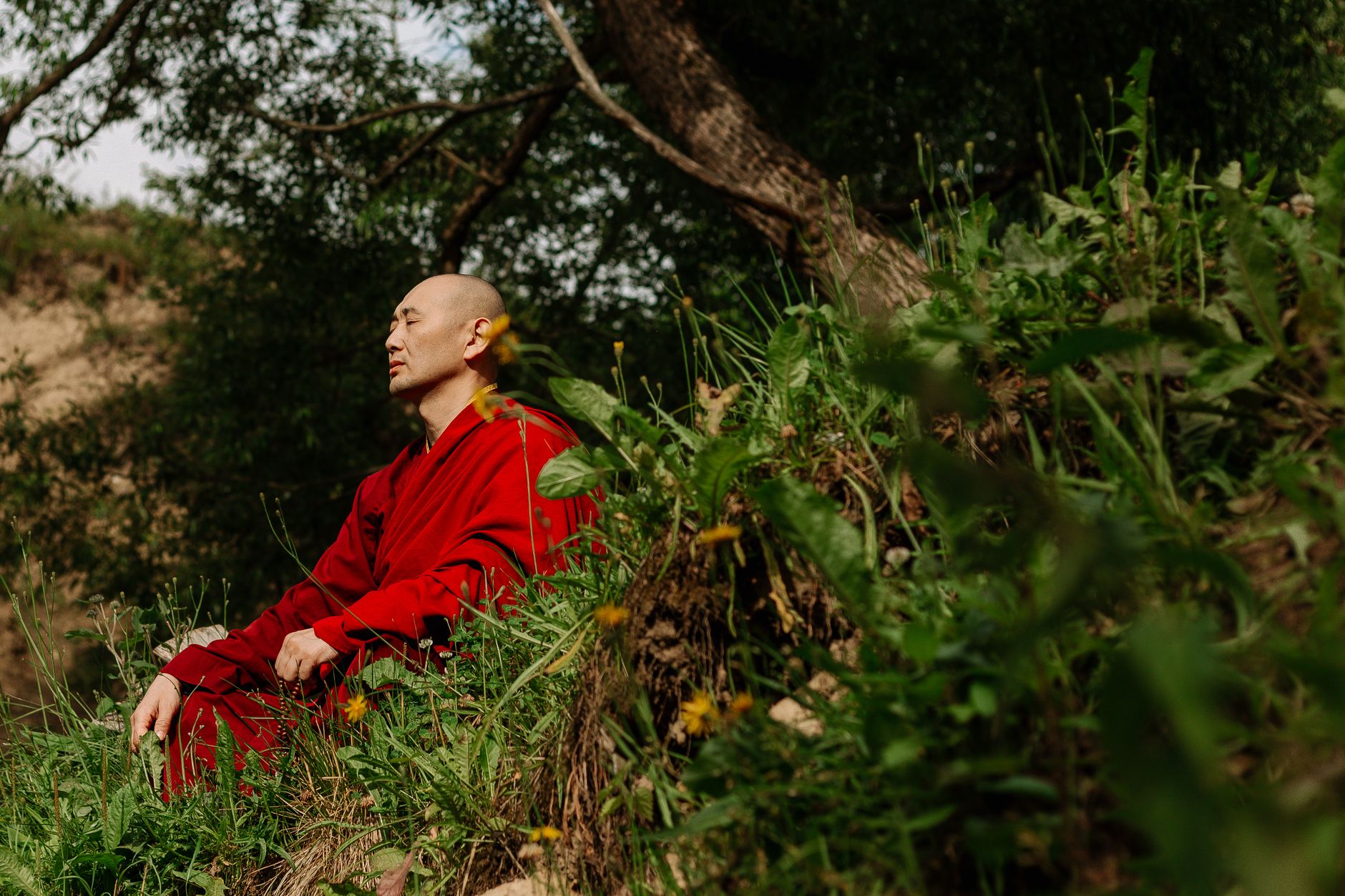
Meditation isn’t about escaping life but embracing it fully. By honoring the <b>gaps</b> between moments, we discover that stillness isn’t found in grand retreats but in the quiet spaces of everyday existence. Start today: pause, breathe, and rest in the <b>neutral gear</b> of being.