
Loggerhead Turtles Facing Four-Pronged Climate Threats
Loggerhead turtles (<i>Caretta caretta</i>), one of the most iconic marine species, are increasingly endangered due to the multifaceted impacts of climate change. These ancient mariners have navigated the world's oceans for millions of years, but now face unprecedented challenges that threaten their very existence. <b>Climate change</b> is creating a perfect storm of threats that converge to endanger loggerhead populations worldwide, raising concerns about the future of not just this species, but entire marine ecosystems that depend on their presence.
The Four-Pronged Climate Threats to Loggerhead Turtles
Loggerhead turtles encounter a complex web of climate-related challenges that directly impact their survival and reproductive success. These <a href="/article/india-s-60-b-russian-oil-pivot-how-us-tariff-threats-are-reshaping-global-energy-politics-and-what-i" title="India’s $60 B Russian Oil Pivot: How US Tariff Threats Are Reshaping Global Energy Politics and What It Means for India’s Energy Future" class="internal-link">threats are</a> interconnected and compounding, creating a situation where the species may be unable to adapt quickly enough to avoid significant population decline. Understanding these <b>four primary climate threats</b> is crucial for developing effective conservation <a href="/article/corporate-culture-development-strategies-building-a-thriving-organizational-ecosystem" title="Corporate Culture Development Strategies: Building a Thriving Organizational Ecosystem" class="internal-link">strategies</a>.
Gender Imbalance Due to Rising Sand Temperatures
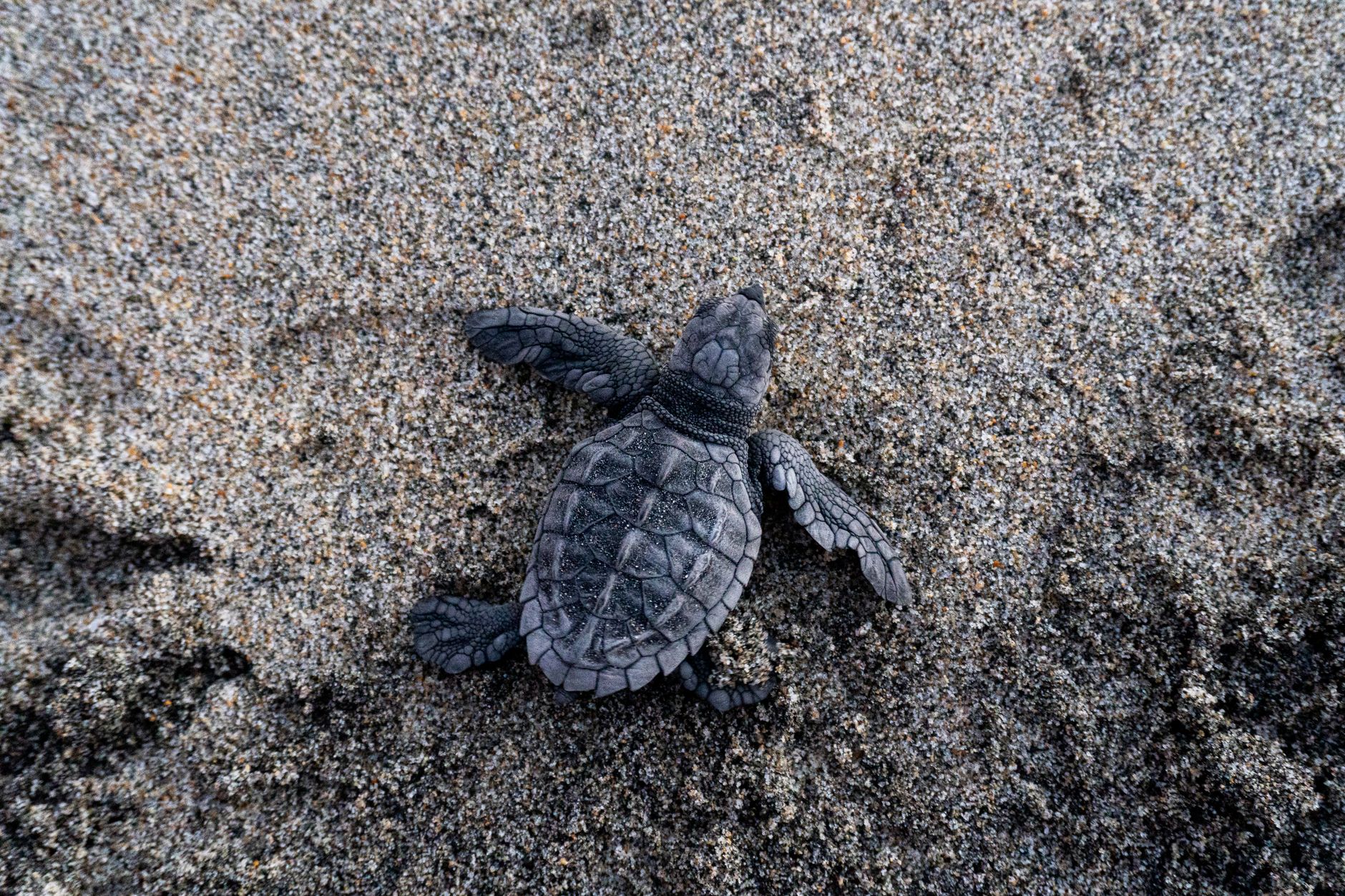
One of the most concerning impacts of climate change on loggerhead turtles is the effect of rising sand temperatures on hatchling sex determination. Unlike mammals, turtle gender is not determined by chromosomes but by the temperature at which eggs incubate. <b>Warmer sand temperatures</b> produce predominantly female hatchlings, creating a gender imbalance that threatens reproductive viability.
Research indicates that incubation temperatures above 29°C (84.2°F) produce mostly females, while temperatures below 27°C (80.6°F) yield mostly males. With global temperatures rising, many traditional nesting beaches are now consistently producing more than 90% female hatchlings in some regions. This <b>skewed sex ratio</b> could lead to a scenario where too few males exist to fertilize the available females, ultimately causing reproductive failure and population decline.
Advertisement
Loading partner content...
Sea Level Rise Impact on Nesting Beaches
As global temperatures <a href="/article/the-rise-of-lifestyle-diseases-in-young-adults-causes-and-solutions" title="The Rise of Lifestyle Diseases in Young Adults — Causes and Solutions" class="internal-link">rise</a>, sea levels are increasing at an alarming rate, directly threatening loggerhead turtle nesting beaches. <b>Sea level rise</b> causes flooding of traditional nesting sites, destroying eggs and preventing successful incubation. Many of the world's most important loggerhead nesting grounds are low-lying coastal areas that are particularly vulnerable to inundation.
When seawater inundates nests, it can drown developing embryos or expose them to predators and fungal infections. Even partial flooding can compromise hatchling success by altering the necessary gas exchange within the nest. As <b>coastal erosion</b> accelerates due to sea level rise and stronger wave action, entire nesting beaches may <a href="/article/what-jobs-will-completely-disappear-by-2030-experts-warn" title="What Jobs Will Completely Disappear by 2030 — Experts Warn" class="internal-link">disappear</a> entirely, eliminating critical habitat for future generations of turtles.

Stronger Storms and Nest Destruction
Climate change is intensifying weather patterns worldwide, leading to more frequent and severe storms. These powerful weather events pose a direct threat to loggerhead turtle nests through <b>nest washout</b> and habitat destruction. Stronger storm surges and higher wave energy can completely obliterate nests that would have otherwise successfully produced hatchlings.
The increased frequency of extreme weather events means that loggerhead turtle populations face a double threat: not only are individual nests vulnerable to destruction, but the cumulative impact over multiple nesting seasons can devastate entire cohorts of hatchlings. Furthermore, <b>habitat fragmentation</b> from storms can reduce the availability of suitable nesting sites, forcing turtles to suboptimal locations where their reproductive success is lower.
Advertisement
Loading partner content...
Ocean Warming and Acidification Effects
While nesting beaches face direct threats from climate change, the marine environment where loggerheads spend most of their lives is also undergoing dramatic transformations. <b>Ocean warming</b> and acidification are altering marine food webs and disrupting the availability of prey species that loggerheads depend on for survival.
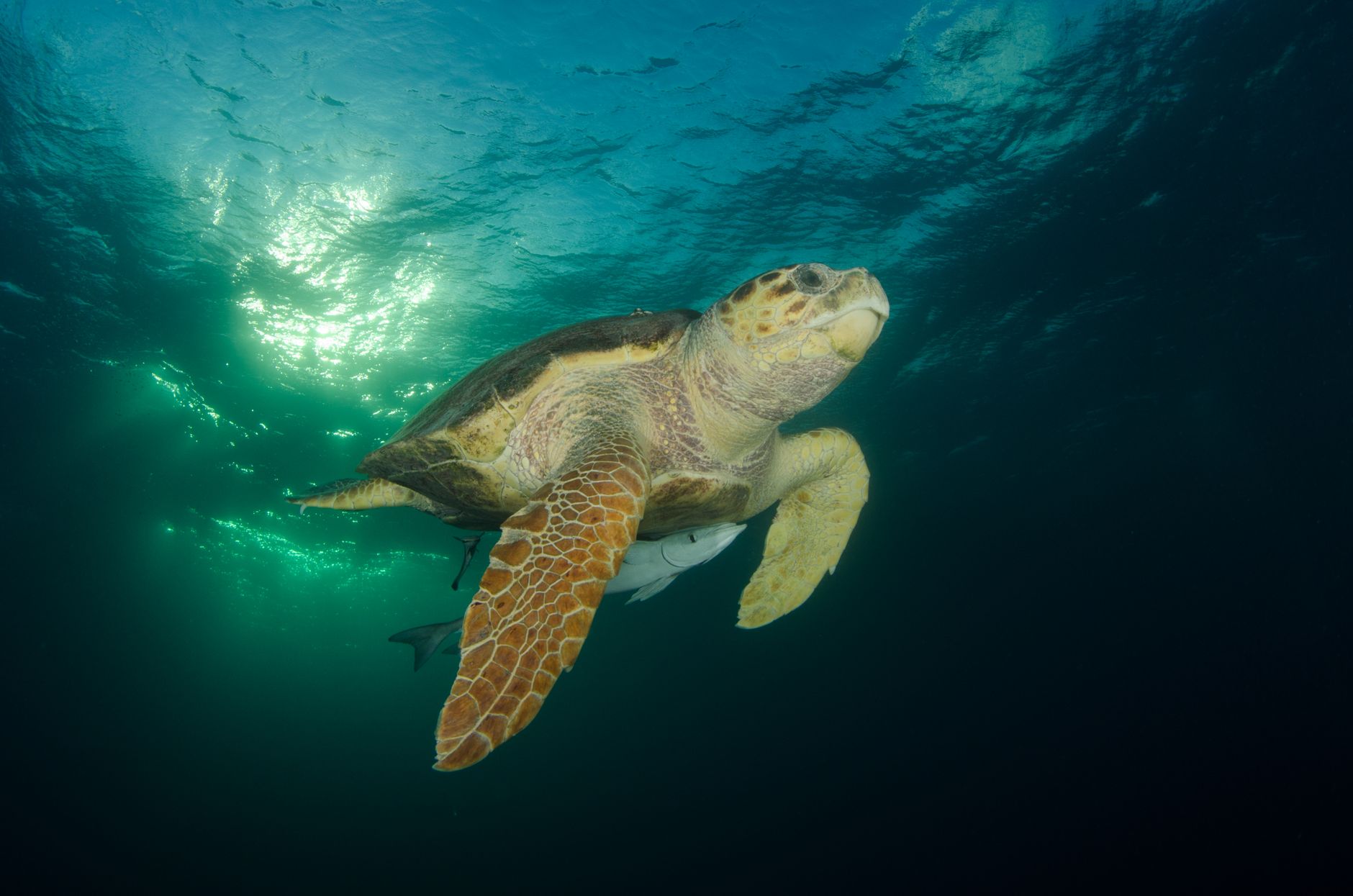
Loggerheads primarily feed on jellyfish, mollusks, crustaceans, and other invertebrates, many of which are sensitive to changing ocean conditions. As water temperatures rise, prey species may migrate to cooler waters or decline in abundance, forcing turtles to travel farther to find adequate nutrition. Additionally, <b>ocean acidification</b> makes it harder for shell-forming organisms like mollusks and crustaceans to build their protective shells, potentially reducing prey availability for loggerheads.

The Challenge of Relocating Nesting Sites
One of the most frustrating aspects of climate change impacts on loggerhead turtles is their <b>instinctive nesting behavior</b>. Female loggerheads exhibit remarkable fidelity to their natal beaches, returning to the exact location where they hatched to lay their own eggs, even if conditions have deteriorated. This biological imperative makes it difficult for the species to adapt to changing environmental conditions.
When traditional nesting sites become unsuitable due to sea level rise, increased sand temperatures, or more frequent storms, females continue to return to these locations rather than seeking alternative beaches. While some conservation efforts involve <b>nest relocation</b> to safer areas, this approach has limited effectiveness when turtles instinctively return to compromised sites. This behavioral rigidity creates a conservation challenge that requires innovative solutions.
Advertisement
Loading partner content...
Ecosystem Consequences of Turtle Loss
The decline of loggerhead turtle populations would have cascading effects throughout marine ecosystems. As both predators and prey, turtles play a critical role in maintaining <b>ecological balance</b>. Loggerheads help control jellyfish populations, preventing blooms that can disrupt fisheries and tourism. They also transport nutrients between marine and terrestrial ecosystems through their nesting activities.
The loss of loggerheads would also impact seagrass beds, which benefit from the nutrients turtles provide through their waste. Furthermore, as loggerheads decline, their <b>prey species</b> may experience population booms, potentially leading to imbalances in marine food webs. The interconnected nature of ocean ecosystems means the disappearance of loggerheads could trigger a chain reaction of ecological consequences that are difficult to predict but potentially severe.
Conservation Challenges and Future Outlook
The combined effects of these climate-related threats create a daunting challenge for loggerhead turtle conservation. Traditional conservation approaches focused on reducing direct human threats like poaching, bycatch, and coastal development remain important, but are no longer sufficient to ensure species survival. <b>Climate resilience</b> must now become a central focus of turtle conservation strategies.
Advertisement
Loading partner content...
Conservationists are exploring various approaches to help loggerhead turtles adapt to changing conditions, including creating shaded nesting areas to moderate sand temperatures, establishing new nesting sites in more resilient locations, and developing strategies to enhance hatchling survival in compromised habitats. International cooperation is essential, as loggerheads migrate across vast ocean regions and face threats throughout their range.
Conclusion: Taking Action for Loggerhead Turtles
The plight of loggerhead turtles serves as a powerful reminder of the far-reaching impacts of climate change on biodiversity. These ancient mariners have survived for millions of years, but now face an existential crisis driven by human-induced climate change. The <b>four-pronged threat</b> they experience—gender imbalance from warming sands, sea level rise, stronger storms, and ocean acidification—creates a situation where their long-term survival is genuinely at risk.
Addressing these challenges requires immediate and decisive action to reduce greenhouse gas emissions and mitigate climate change. At the same <a href="/article/mastering-time-management-a-self-help-guide-for-indian-professionals" title="Mastering Time Management: A Self-Help Guide for Indian Professionals" class="internal-link">time</a>, targeted conservation efforts can help loggerhead populations build resilience in the face of unavoidable climate impacts. By protecting nesting beaches, reducing non-climate threats, and supporting international conservation agreements, we can give these remarkable creatures a fighting chance.
The fate of loggerhead turtles is ultimately tied to our collective commitment to addressing climate change. If we fail to act, we risk losing not just a single species, but the complex web of life that depends on their presence in our oceans. The time to act is now—before these ancient mariners disappear from our seas forever.