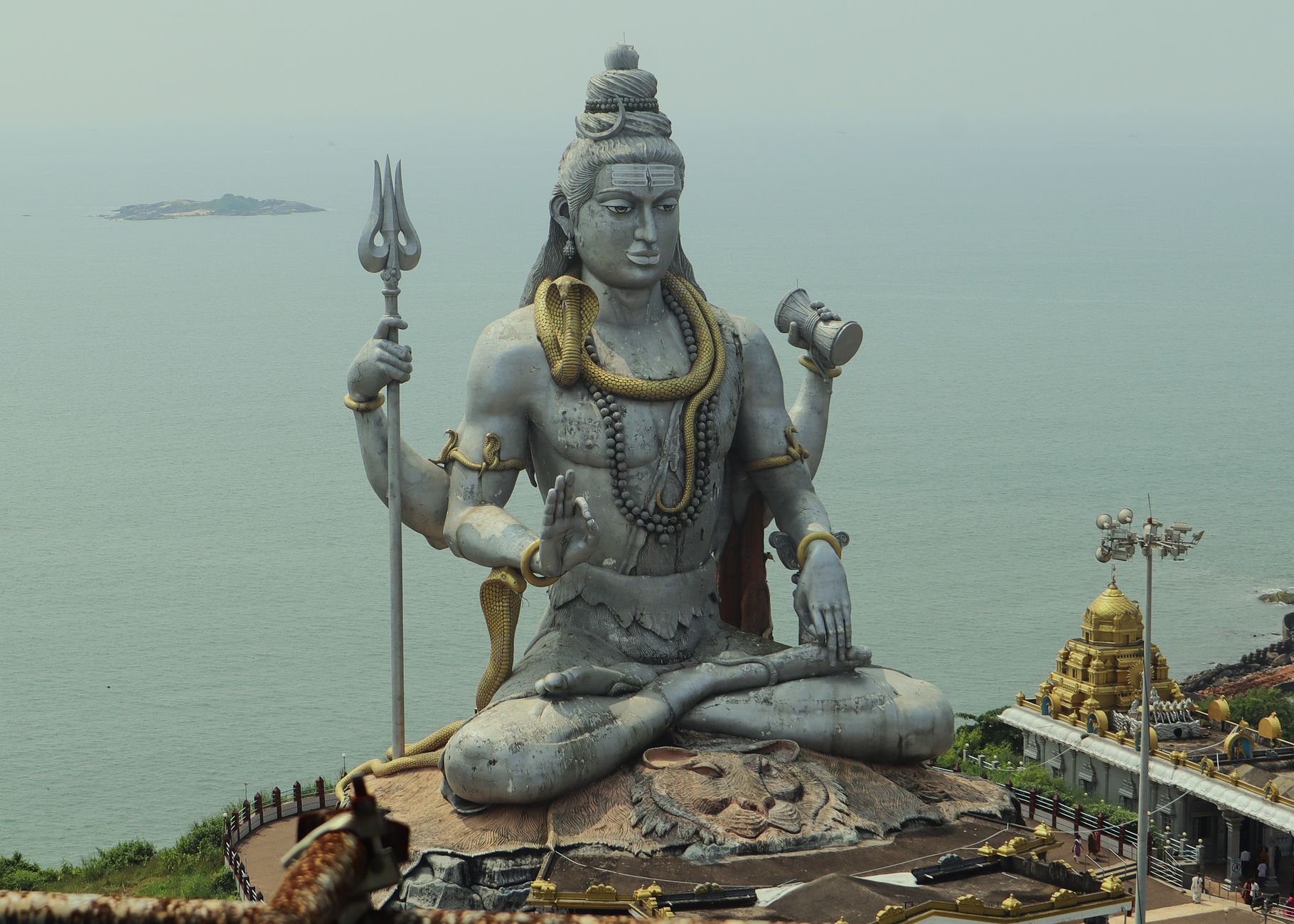

Maha Shivaratri: The Great Night of Lord Shiva
Maha Shivaratri, one of the most significant Hindu festivals, is a solemn and spiritually enriching celebration dedicated to Lord Shiva, the destroyer and transformer in the Hindu trinity. This sacred festival, which translates to "The Great Night of Shiva," is observed with devotion and reverence by millions of Hindus across <a href="/article/effective-leadership-strategies-for-modern-workplaces-in-india" title="Effective Leadership Strategies for Modern Workplaces in India" class="internal-link">India</a> and the world. <b>Maha Shivaratri</b> is not merely a religious observance but a profound spiritual journey that offers devotees an opportunity to connect with the divine, seek blessings, and reflect on the eternal cycle of creation and destruction.
The Ancient Origins and Legends of Maha Shivaratri
The origins of <b>Maha Shivaratri</b> are steeped in ancient Hindu mythology and several fascinating legends. The most popular story narrates how Lord Shiva and Goddess Parvati got married on this auspicious night. According to this legend, Parvati performed intense penance to win Shiva's affection, and pleased by her devotion, Shiva agreed to marry her. This divine union is celebrated on Maha Shivaratri, symbolizing the harmonious balance of masculine and feminine energies in the universe.
Another significant legend associated with this festival is the story of the <b>Samudra Manthan</b> (Ocean Churning). During this cosmic event, a deadly poison emerged from the ocean, threatening to destroy all creation. In his act of compassion, Lord Shiva drank the poison but held it in his throat rather than swallowing it, turning his neck blue. This selfless act saved the universe, and hence, Shiva is also known as <b>Neelakantha</b> (the blue-throated one). Maha Shivaratri is believed to commemorate this event.
Advertisement
Loading partner content...
A third important legend describes how Shiva appeared in the form of a <b>Lingam</b> of fire on this night, challenging both Vishnu and Brahma to find its beginning and end. When both failed to do so, Shiva revealed himself in his full glory, establishing his supreme position in the cosmos. This story underscores the infinite nature of Shiva and the importance of devotion over ego.
Spiritual Significance and Meaning
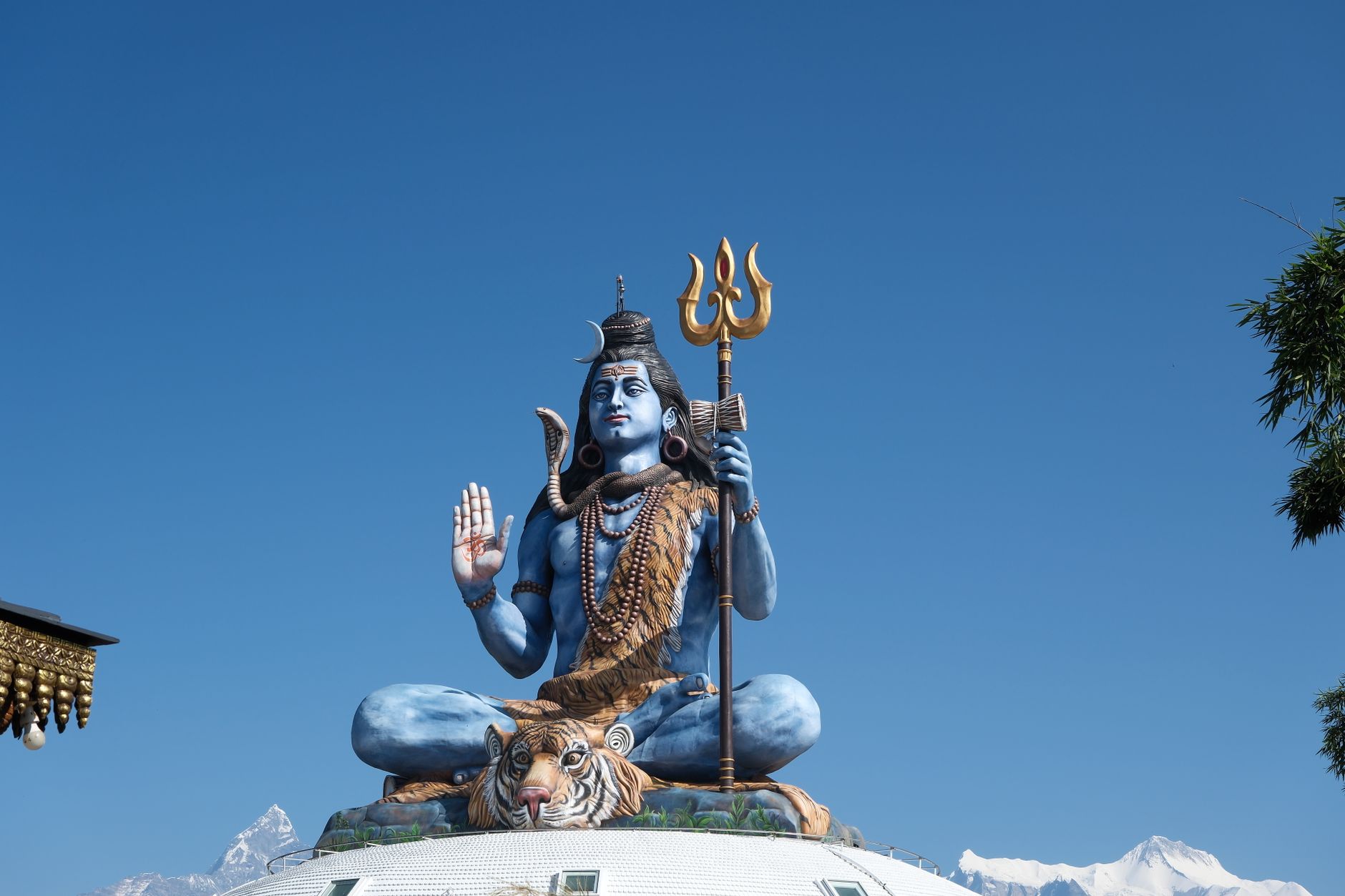
Maha Shivaratri holds profound spiritual significance beyond its mythological narratives. The festival symbolizes the triumph of darkness over light, ignorance over knowledge, and negativity over positivity. It is believed that on this night, the planetary positions create a powerful spiritual <a href="/article/australia-india-uranium-deal-how-pm-modi-s-new-trade-pact-is-reshaping-global-nuclear-energy" title="Australia‑India Uranium Deal: How PM Modi’s New Trade Pact is Reshaping Global Nuclear Energy" class="internal-link">energy</a> that facilitates meditation and spiritual practices.
The <b>spiritual meaning</b> of Maha Shivaratri is deeply connected with the concept of <b>renunciation</b> and <b>detachment</b>. Lord Shiva represents the ideal ascetic who has transc worldly attachments while simultaneously being a householder, demonstrating the balance between spiritual and material life. Devotees are encouraged to adopt similar qualities of simplicity, humility, and <a href="/article/self-help-series-a-journey-into-inner-transformation" title="Self-Help Series: A Journey Into Inner Transformation" class="internal-link">inner</a> peace.
The observance of <b>vigil</b> throughout the night is another significant aspect of Maha Shivaratri. Staying awake symbolizes overcoming the darkness of ignorance and spiritual slumber. It is believed that sincere prayers and meditation during this night can free devotees from the cycle of birth and death, granting <b>moksha</b> (liberation).
Advertisement
Loading partner content...
Celebrations Across India
Maha Shivaratri is celebrated with great fervor across India, with each region adding its unique cultural flavor to the observances. In <b>Uttarakhand</b>, the festival is marked by grand processions and special prayers at the ancient Kedarnath Temple. Devotees undertake challenging pilgrimages to the temple, braving harsh weather conditions to seek Shiva's blessings.
In <b>Kerala</b>, Maha Shivaratri is celebrated at the <b>Shiva temples of Ernakulam</b>, particularly at the famous Ettumanoor Mahadeva Temple. The temple is adorned with beautiful lights and decorations, and special cultural programs are organized. The <b>Shivratri Utsavam</b> includes traditional dance performances like <b>Kathakali</b> and <b>Theyyam</b>, which depict stories from Hindu mythology.
The <b>Varanasi</b> celebration of Maha Shivaratri is particularly spectacular. The city's ghats come alive with devotees taking holy dips in the sacred Ganges River. The <b>Kashi Vishwanath Temple</b> witnesses massive crowds, and the entire city is decorated with lights and flowers. The <b>Mahashivaratri Ganga Aarti</b> is a mesmerizing sight that attracts thousands of visitors from around the world.
Advertisement
Loading partner content...

Regional Variations in Celebration
- In Maharashtra, devotees offer bael leaves to Shiva Lingams and observe a strict day-long fast.
- The Shaivite sects in Tamil Nadu celebrate Maha Shivaratri with special Poojas at the famous Chidambaram Nataraja Temple.
- In Karnataka, the festival is marked by Shivaratri Utsav at the Ishvara Temple in Hoysala architecture style.
- The Naga Sadhus (ascetics) play a prominent role in Maha Shivaratri celebrations, especially in Prayagraj (Allahabad).
Global Celebrations of Maha Shivaratri
The celebration of Maha Shivaratri has transcended geographical boundaries, with Hindu communities worldwide observing this sacred festival with devotion. In <b>Nepal</b>, Maha Shivaratri is a national holiday, and the <b>Pashupatinath Temple</b> in Kathmandu transforms into a hub of spiritual activities, attracting hundreds of thousands of devotees.
In <b>Indonesia</b>, particularly on the island of <b>Bali</b>, Maha Shivaratri is celebrated with unique Balinese Hindu rituals. The <b>Pura Besakih</b>, the largest temple complex in Bali, becomes the focal point of celebrations, where special ceremonies are performed by Balinese priests.
Hindu communities in <b>United States</b>, <b>United Kingdom</b>, <b>Canada</b>, and <b>Australia</b> organize grand celebrations in temples and community centers. These celebrations often include cultural programs, discourses by spiritual leaders, and communal feasts, serving as a way to preserve and promote Hindu heritage among younger generations.
Modern Observances and Digital Celebrations
In recent years, Maha Shivaratri celebrations have embraced technology and <a href="/article/unlocking-the-power-of-social-media-marketing-tactics" title="Unlocking the Power of Social Media Marketing Tactics" class="internal-link">social media</a>. Many temples now <b>livestream special rituals</b> and discourses, allowing devotees unable to attend in person to participate virtually. Social media platforms are filled with <b>spiritual quotes</b>, <b>devotional songs</b>, and <b>mythological stories</b> related to Lord Shiva.
The <b>Maha Shivaratri Marathon</b> has become a popular trend in urban areas, with people participating in runs that start early in the morning and conclude at Shiva temples. These events combine physical fitness with spiritual devotion, appealing to younger generations.
Advertisement
Loading partner content...
Conclusion: Embracing the Essence of Maha Shivaratri
Maha Shivaratri is more than just a religious festival; it is a profound spiritual journey that offers valuable lessons for people of all faiths. The teachings of Lord Shiva emphasize the importance of <b>inner peace</b>, <b>self-discipline</b>, and <b>spiritual awakening</b>. In a world increasingly consumed by materialism and stress, the message of Maha Shivaratri provides a much-needed reminder of life's deeper purpose.
As we celebrate Maha Shivaratri, we are encouraged to look beyond ritualistic practices and embrace the <b>transformative power</b> of the festival. Whether through meditation, fasting, or acts of charity, the essence of Maha Shivaratri lies in cultivating virtues like <b>humility</b>, <b>compassion</b>, and <b>detachment</b> from worldly possessions.
This sacred night offers an opportunity for self-reflection and spiritual renewal. By understanding the ancient legends and embracing the spiritual significance of Maha Shivaratri, we can integrate its profound wisdom into our daily lives, fostering personal growth and contributing to a more harmonious world.


