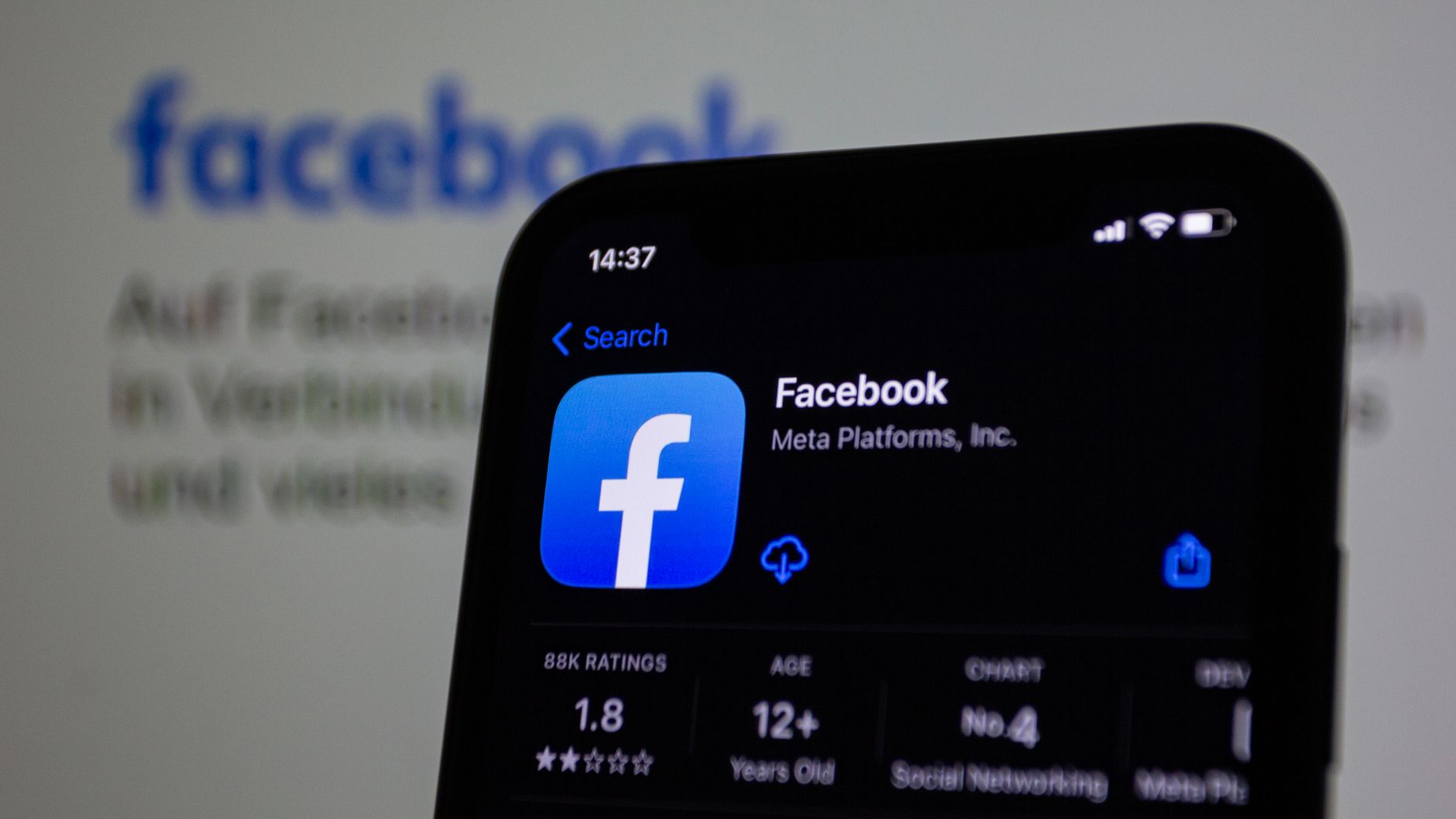

<h1>Meta’s Safe Harbour at Risk: Understanding the Parliamentary Pressure and What It Means for Digital Platforms</h1>
<p>In a dramatic escalation of India’s push for digital sovereignty, a parliamentary panel has issued an unprecedented ultimatum to Meta: issue a public apology for its handling of content related to national security and cultural sensitivities, or face the withdrawal of its legal protections under India’s <i>safe harbour</i> framework. This confrontation is not just about accountability—it’s a pivotal moment that could redefine how global digital platforms operate in the world’s fastest-growing internet market. The stakes are high, and the implications ripple far beyond Meta, touching every corner of the digital ecosystem.</p>
<figure class="my-8 overflow-hidden rounded-3xl shadow-xl">
<img src="https://images.pexels.com/photos/6257635/pexels-photo-6257635.jpeg?auto=compress&cs=tinysrgb&dpr=2&h=650&w=940" alt="Digital protest" class="w-full h-[400px] object-cover" />
</figure>
<h2>What Is Safe Harbour Protection?</h2>
<p>The concept of <b>safe harbour</b> emerged in the late 1990s as a legal compromise to shield internet service providers (ISPs), platforms, and hosting services from full liability for user-generated content. Rooted in the principles of free speech and innovation, it recognizes that platforms cannot realistically monitor or censor every piece of content uploaded by billions of users daily.</p>
Advertisement
Loading partner content...
<p>For Meta, safe harbour protection has been a cornerstone of its global operations. Under India’s <a rel="nofollow noopener noreferrer" href="https://www.meity.gov.in/" rel="nofollow noopener noreferrer">Ministry of Electronics and Information Technology (MeitY)</a> guidelines, platforms are granted immunity from liability for user content, provided they:
<ol>
<li>Remove unlawful content within 24 hours of receiving a government notice,</li>
<li>Maintain a transparent grievance redressal mechanism,</li>
<li>Appoint local compliance officers.</li>
</ol>
</p>
<p>This framework allowed Meta to scale its operations in India—home to over 400 million Facebook users and 200 million WhatsApp users—without being bogged down by legal battles over every post, image, or video shared on its platforms.</p>
<h2>The Parliamentary Panel’s Ultimatum</h2>
<p>In February 2026, the Parliamentary Standing Committee on IT and Communications released a scathing report criticizing Meta for its failure to adequately address content deemed harmful to national security, religious harmony, and public order. The committee demanded that Meta publicly acknowledge its shortcomings and implement stricter content moderation policies before the end of the quarter.</p>
<p>The panel’s resolution states: <blockquote>“Meta’s continued refusal to take responsibility for content that threatens India’s unity and integrity cannot be ignored. We urge the platform to issue a formal apology and demonstrate concrete steps to prevent such violations in the future.”</blockquote></p>
Advertisement
Loading partner content...
<p>Meta has so far declined to issue an apology, arguing that its policies are consistent with global standards and that it has made significant investments in AI-driven content moderation. However, the committee has hinted at revoking Meta’s safe harbour status under Section 79 of India’s Information Technology Act, 2000, unless it complies with their demands.</p>
<h2>Why Safe Harbour Is Under Siege</h2>
<p>The threat to Meta’s safe harbour status is not isolated to India. Around the world, governments are reassessing the balance between digital freedom and state control. In India, the push is driven by three key factors:</p>
<ul>
<li><b>Rising Concerns Over Misinformation:</b> From anti-national propaganda to communal violence, false information on social media has sparked real-world unrest. The 2024 Delhi riots, which were partly fueled by WhatsApp messages, intensified public pressure on platforms to act faster.</li>
<li><b>Data Localization and Sovereignty:</b> India’s Digital Personal Data Protection Act, 2023, mandates that Indian user data be stored locally. Critics argue that Meta’s global data policies undermine national sovereignty.</li>
<li><b>Political Sensitivity:</b> With elections looming in 2027, any platform perceived as biased or non-compliant could become a political liability for the government.</li>
</ul>
Advertisement
Loading partner content...
<p>Legal experts suggest that revoking safe harbour status would expose Meta to massive liability. <i>Currently, Meta’s legal team estimates that losing immunity could result in daily penalties of up to ₹10 lakh under Indian law, along with potential class-action lawsuits from Indian users and <a href="/article/top-10-businesses-ai-cant-take-from-you" title="Top 10 Businesses AI Can’t Take From You" class="internal-link">businesses</a>.</i></p>
<h2>Global Trends in Digital Regulation</h2>
<p>India’s stance mirrors a global shift toward stricter digital regulation. Here’s how other countries are tackling the safe harbour debate:</p>
<table>
<tr><th>Country</th><th>Regulation</th><th>Impact on Platforms</th></tr>
<tr><td>European Union</td><td>Digital Services Act (DSA)</td><td>Requires platforms to assess systemic risks and appoint EU-based compliance officers. Fines up to 6% of global revenue.</td></tr>
<tr><td>United States</td><td>Earned Income Tax Credit Act (EITCA)</td><td>Proposes mandatory transparency reports and algorithmic audits for large platforms.</td></tr>
<tr><td>China</td><td>Cybersecurity Law and Data Security Law</td><td>Requires pre-screening of all content and strict data localization. Foreign platforms often blocked.</td></tr>
<tr><td>India</td><td>IT Rules 2021 + Proposed Amendments</td><td>Demands proactive content moderation and 24-hour takedown notices. Safe harbour under scrutiny.</td></tr>
</table>
Advertisement
Loading partner content...
<p>While the EU’s DSA focuses on systemic accountability, China’s approach is authoritarian, and the U.S. balances regulation with free speech protections. India’s model sits uncomfortably between these extremes, prioritizing national security over corporate autonomy.</p>
<h2>Impact on Users and Brands</h2>
<p>For Indian users, the erosion of safe harbour protections could mean:</p>
<ol>
<li><b>Reduced Access to Content:</b> Stricter moderation may lead to over-censorship, limiting freedom of expression.</li>
<li><b>Higher Costs:</b> If platforms face penalties, they may increase ad prices or introduce subscription fees.</li>
<li><b>Data Privacy Risks:</b> Platforms might be forced to hand over user data to authorities more readily.</li>
</ol>
<p>Brands and businesses relying on Meta’s ecosystem—especially small and medium enterprises (SMEs)—are also at risk. A 2025 survey by <a rel="nofollow noopener noreferrer" href="https://www.statista.com/" rel="nofollow noopener noreferrer">Statista</a> found that 68% of Indian SMEs use Facebook or Instagram for marketing. Any disruption to these platforms could severely impact their reach and revenue.</p>
Advertisement
Loading partner content...
<h2>Case Study: The WhatsApp Content Crisis of 2024</h2>
<p>In May 2024, a viral message on WhatsApp falsely claimed that a prominent politician had been arrested. The post spread rapidly, triggering protests in multiple cities. While WhatsApp quickly removed the content and issued a public statement, the Parliamentary Committee criticized its response as “too slow.”</p>
<p>The incident highlighted the challenges of moderating encrypted platforms. Unlike Facebook, WhatsApp has no ability to scan messages for harmful content. The committee’s criticism of Meta has since focused on its refusal to implement end-to-end encryption exceptions for government-mandated content checks—an impossible task under current technology.</p>
<h2>Expert Commentary</h2>
<p>We spoke with Dr. Ananya Sharma, a cyberlaw expert at the National Law University, Delhi, who offers this perspective:</p>
Advertisement
Loading partner content...
<blockquote>“The debate over safe harbour is a microcosm of the larger struggle between global digital governance and national sovereignty. India’s actions are not unique—they’re part of a broader trend where states demand more control over platforms that operate within their borders. The question is whether Meta will adapt or exit the market entirely.”</blockquote></p>
<p>Another voice comes from Rajiv Agarwal, CEO of a Mumbai-based digital marketing agency:</p>
<blockquote>“If Meta loses safe harbour protection, it’s a death knell for small businesses. We’re already seeing clients pull back on ad spend. The government needs to find a middle ground that doesn’t punish platforms but ensures accountability.”</blockquote></p>
<h2>Future Outlook for Meta and the Tech Industry</h2>
<p>Looking ahead, several scenarios could unfold:</p>
Advertisement
Loading partner content...
<ul>
<li><b>Meta Complies:</b> The company issues an apology, appoints a local compliance officer, and tightens content policies. This could stabilize its position but may alienate global users.</li>
<li><b>Regulatory Concession:</b> India revises its safe harbour rules to allow for a more nuanced approach, balancing liability with platform autonomy.</li>
<li><b>Market Exit:</b> In the worst-case scenario, Meta could scale back operations or shut down services in India, a move that would be both costly and politically untenable.</li>
</ul>
<p>For the broader tech industry, this crisis signals a new era of regulatory fragmentation. Companies must now navigate a patchwork of national laws, each with its own demands on content, data, and governance. The days of treating India as a uniform market are over.</p>
<h2>Practical Guidance for Content Creators and Businesses</h2>
<p>Here’s how stakeholders can prepare:</p>
<b>For Content Creators:</b>
<ul>
<li><b>Stay Informed:</b> Follow updates on Meta’s policies and India’s regulatory changes.</li>
<li><b>Diversify Platforms:</b> <a href="/article/beyond-fds-how-to-build-a-diversified-fixed-income-portfolio-in-2026" title="Beyond FDs: How to Build a Diversified Fixed-Income Portfolio in 2026" class="internal-link">Build a</a> presence on multiple platforms to mitigate risks.</li>
<li><b>Practice Caution:</b> Avoid sharing unverified information, especially during politically sensitive periods.</li>
</ul>
Advertisement
Loading partner content...
<b>For Businesses:</b>
<ul>
<li><b>Audit Compliance:</b> Ensure your content and advertising <a href="/article/email-marketing-best-practices-a-complete-guide-for-indian-businesses-in-2024" title="Email Marketing Best Practices: A Complete Guide for Indian Businesses in 2024" class="internal-link">practices a</a>lign with Meta’s Community Standards and Indian laws.</li>
<li><b>Engage Policymakers:</b> Participate in consultations to shape fair regulations.</li>
<li><b>Invest in Alternatives:</b> Explore regional platforms like ShareChat or Koo for localized reach.</li>
</ul>
<h2>Conclusion: A New Chapter in Digital Regulation</h2>
<p>Met’s safe harbour at risk <a href="/article/why-india-s-middle-class-is-more-stressed-than-ever" title="Why India’s Middle Class Is More Stressed Than Ever" class="internal-link">is more</a> than a legal battle—it’s a harbinger of <a href="/article/how-the-blanket-telegram-ban-is-reshaping-social-media-legal-battles-user-impact-and-the-future-of-m" title="How the Blanket Telegram Ban is Reshaping Social Media: Legal Battles, User Impact, and the Future of Messaging Apps" class="internal-link">the future of</a> digital governance. As governments worldwide assert greater control over digital spaces, platforms must adapt or face exclusion. For India, this moment represents a chance to set a global precedent: one where accountability and innovation coexist.</p>
<p>The outcome will depend not just on Meta’s response, but on the willingness of policymakers to balance security with freedom. In a world where digital borders are becoming as important as physical ones, the stakes have never been higher.</p>
<figure class="my-8 overflow-hidden rounded-3xl shadow-xl">
<img src="https://images.unsplash.com/photo-1568952433726-3896e3881c65?crop=entropy&cs=tinysrgb&fit=max&fm=jpg&ixid=M3w4NjI1Nzh8MHwxfHNlYXJjaHwxfHxGdXR1cmUlMjB0ZWNobm9sb2d5fGVufDB8MHx8fDE3ODU5MTEyMTN8MA&ixlib=rb-4.1.0&q=80&w=1080" alt="Future technology" class="w-full h-[400px] object-cover" />
</figure></b></b></b></i></i>


