
Old Foe Returns: Nipah Virus Threat in India — What You Should Know
Two confirmed Nipah virus infections have been reported in West Bengal, prompting heightened surveillance and global health warnings from the World Health Organization (WHO) and public health authorities. The situation is being closely monitored, and while the cases are limited, the virus’s history and high fatality rate make awareness and precautions essential.
What is Nipah Virus?
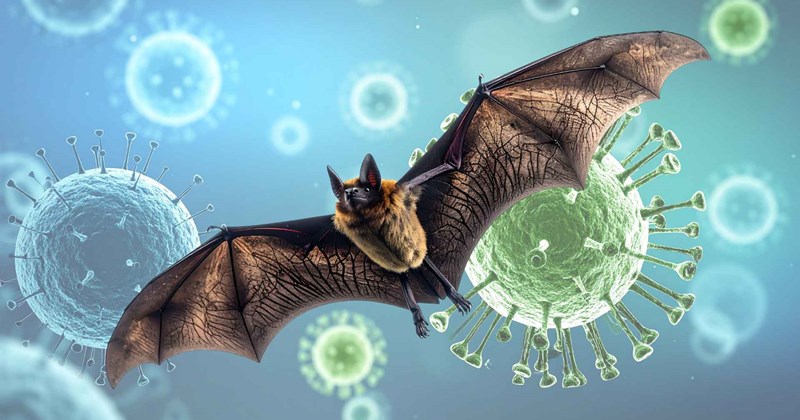
The Nipah virus (NiV) is a zoonotic virus, meaning it can be transmitted from animals to humans. It belongs to the Paramyxoviridae family, which also includes measles and mumps. NiV is primarily carried by fruit bats of the Pteropus genus, and can infect a wide range of animals, including pigs, horses, and humans.

Human-to-human transmission of NiV can occur through close contact with infected individuals, such as through respiratory droplets, contact with infected bodily fluids, or contaminated food. The virus <a href="/article/the-rise-of-lifestyle-diseases-in-young-adults-causes-and-solutions" title="The Rise of Lifestyle Diseases in Young Adults — Causes and Solutions" class="internal-link">causes</a> a range of symptoms, from mild to severe, including fever, headache, muscle pain, and respiratory illness.
History of Nipah in India
The first outbreak of Nipah virus <a href="/article/thinking-of-doing-something-different-up-medical-student-dies-of-suicide-a-call-for-mental-health-re" title="“Thinking Of Doing Something Different”: UP Medical Student Dies Of Suicide – A Call for Mental Health Reform in India" class="internal-link">in India</a> occurred in 2001 in Siliguri, West Bengal, resulting in 66 reported cases and 45 deaths. Since then, there have been several outbreaks <a href="/article/mental-health-awareness-in-the-workplace-building-a-supportive-environment" title="Mental Health Awareness in the Workplace: Building a Supportive Environment" class="internal-link">in the</a> country, with the most recent one being in 2018 in Kerala, which resulted in 19 reported cases and 17 deaths.
India’s proximity to Southeast Asia, where NiV is endemic, and the presence of fruit bat colonies in the country make it vulnerable to NiV outbreaks. The virus has also been reported in other countries, including Bangladesh, Malaysia, and the Philippines.
Advertisement
Loading partner content...

Precautions Suggested by WHO
The World Health Organization (WHO) has issued guidelines for preventing the spread of NiV. These include:
- Avoiding close contact with people who show symptoms of NiV infection
- Wearing protective gear, such as masks and gloves, when in contact with suspected cases
- Practicing good hygiene, such as frequent handwashing with soap and water
- Avoiding consumption of raw or undercooked animal products, such as pork and horse meat
- Ensuring proper food handling and cooking practices
Why We Are Concerned About Nipah
The high fatality rate of NiV, which ranges from 40% to 75%, makes it a significant public health concern. The virus can also cause long-term health effects, such as neurological disorders and seizures, in those who survive.
Furthermore, NiV has the potential to spread rapidly, especially in areas with poor healthcare infrastructure and inadequate infection control practices. The lack of a licensed vaccine or specific treatment for NiV infection adds to the concern.

Actionable Conclusion
In light of the recent outbreak in West Bengal, it is essential to remain vigilant and <a href="/article/top-10-businesses-ai-cant-take-from-you" title="Top 10 Businesses AI Can’t Take From You" class="internal-link">take</a> necessary precautions to prevent the spread of NiV. By understanding the risks and symptoms of NiV, and following the guidelines set by WHO, we can reduce the risk of infection and protect ourselves and our communities.
<a href="/article/how-to-stay-motivated-during-tough-times-a-practical-guide-for-indians" title="How to Stay Motivated During Tough Times: A Practical Guide for Indians" class="internal-link">Stay</a> informed, stay safe!