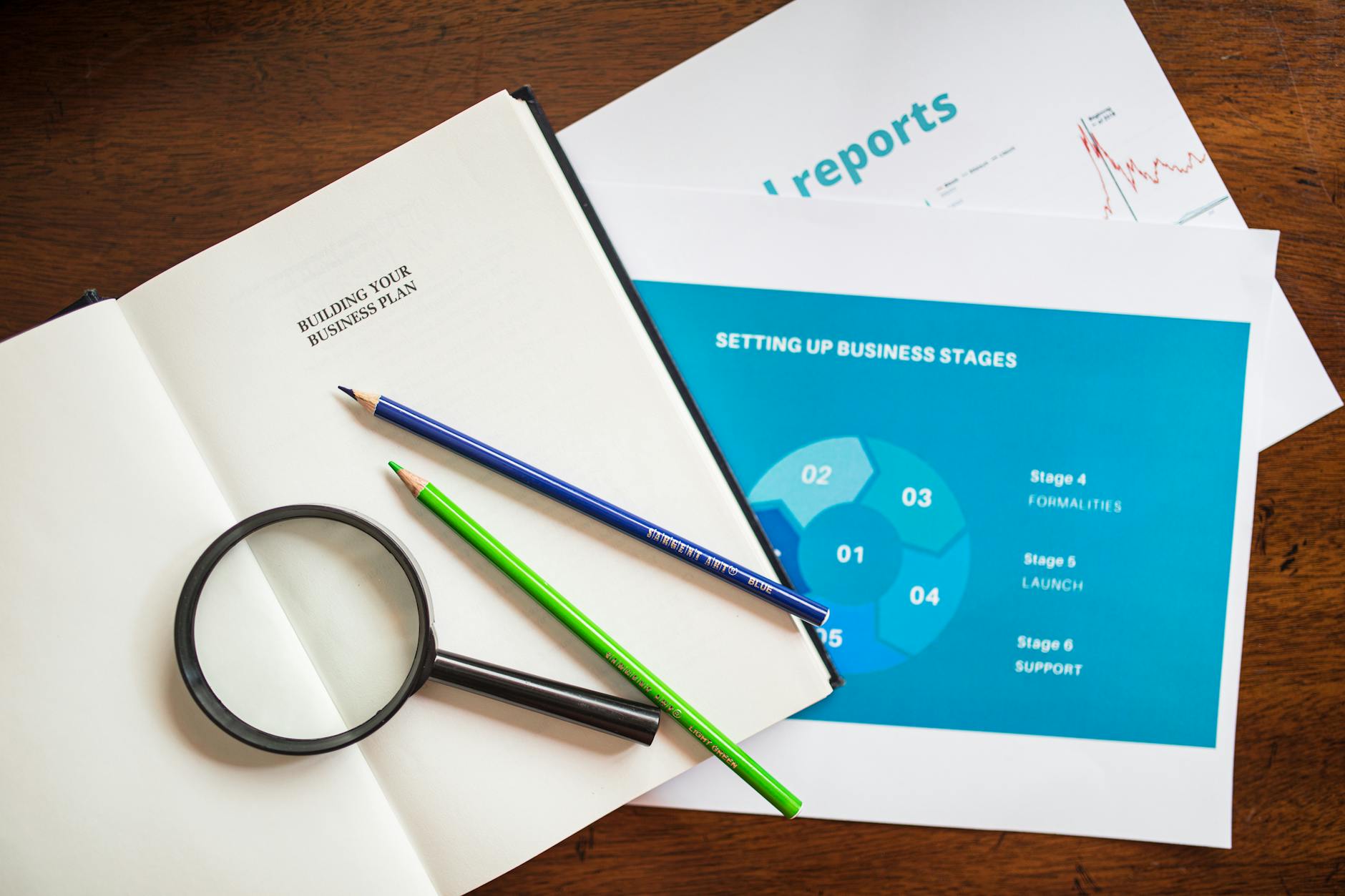

<h1>Strategic Planning Frameworks: Your Roadmap to Sustainable Success <a href="/article/effective-leadership-strategies-for-modern-workplaces-in-india" title="Effective Leadership Strategies for Modern Workplaces in India" class="internal-link">in India</a>'s Dynamic Market</h1>
<p>In today's rapidly evolving business landscape, especially in a diverse and competitive market like India, having a well-defined strategic plan is not just an advantage—it's a necessity. Whether you're a startup in Bengaluru, a manufacturing unit in Gujarat, or a family business in Tamil Nadu, the right strategic framework can be the difference between thriving and merely surviving. This article explores the most effective strategic planning frameworks that can guide Indian <a href="/article/top-10-businesses-ai-cant-take-from-you" title="Top 10 Businesses AI Can’t Take From You" class="internal-link">businesses</a> toward long-term success, offering actionable insights tailored to local conditions and opportunities.</p>
<h2>Understanding Strategic Planning Frameworks</h2>
<p>Strategic planning frameworks are structured approaches that help organizations define their direction, make decisions, allocate resources, and measure progress. These tools provide a systematic way to analyze internal and external environments, set objectives, and identify the actions needed to achieve them. In India's complex market, where cultural nuances meet global competition, choosing the right framework becomes even more critical.</p>
<h3>Why Strategic Planning Matters in India</h3>
Advertisement
Loading partner content...
<ul>
<li><b>Market Complexity:</b> India's market is a blend of traditional values and modern demands, requiring strategies that balance both.</li>
<li><b>Regulatory Environment:</b> Frequent policy changes and compliance requirements necessitate adaptable planning.</li>
<li><b>Diverse Consumer Base:</b> From urban millennials to rural households, strategies must cater to varied demographics.</li>
<li><b>Global Competition:</b> With international brands entering the Indian market, local businesses need robust frameworks to compete.</li>
</ul>
<h2>Top Strategic Planning Frameworks for Long-Term Success</h2>
<h3>1. SWOT Analysis: The Foundation of Strategic Thinking</h3>
<p>SWOT Analysis remains one of the most widely used strategic tools across <a href="/article/mastering-saas-marketing-essential-strategies-for-indian-businesses" title="Mastering SaaS Marketing: Essential Strategies for Indian Businesses" class="internal-link">Indian businesses</a>. It evaluates Strengths, Weaknesses, Opportunities, and Threats to provide a comprehensive view of the current situation. For instance, a textile manufacturer in Surat might identify their strength in traditional craftsmanship while recognizing opportunities in e-commerce expansion.</p>
<blockquote>"SWOT Analysis is like holding up a mirror to your business—it shows where you stand today and where you can go tomorrow." – Industry Expert</blockquote>
Advertisement
Loading partner content...
<h3>2. Balanced Scorecard: Measuring What Matters</h3>
<p>The Balanced Scorecard translates vision and <a href="/article/mastering-social-media-strategy-in-india-a-comprehensive-guide" title="Mastering Social Media Strategy in India: A Comprehensive Guide" class="internal-link">strategy in</a>to actionable metrics across four perspectives: financial, customer, internal processes, and learning & growth. Indian IT companies like TCS have effectively used this framework to align their operations with long-term goals while maintaining financial discipline.</p>
<h3>3. OKRs (Objectives and Key Results): Driving Focus and Alignment</h3>
<p>Originally popularized by Google, OKRs have gained traction among Indian startups and tech companies. This framework emphasizes setting ambitious objectives with measurable key results. For example, a fintech startup in Mumbai might set an objective to increase financial inclusion with key results like onboarding 1 million new users in rural areas.</p>
<h3>4. Porter’s Five Forces: Navigating Industry Dynamics</h3>
Advertisement
Loading partner content...
<p>Porter’s Five Forces framework helps businesses understand the competitive forces within their industry. In India's retail sector, this could mean analyzing the threat from e-commerce giants, bargaining power of consumers, and the impact of government policies on supply chains.</p>
<h3>5. Blue Ocean Strategy: Creating Uncontested Market Spaces</h3>
<p>This framework encourages businesses to create new market spaces rather than compete in existing ones. Indian companies like Nirma and Patanjali have successfully applied Blue Ocean principles to disrupt established markets with innovative products and pricing strategies.</p>
<h2>Comparing Strategic Frameworks: A Quick Reference</h2>
<table>
<tr>
<th>Framework</th>
<th>Best For</th>
<th>Key Strength</th>
<th>Challenge in India</th>
</tr>
<tr>
<td>SWOT Analysis</td>
<td>Small businesses, initial planning</td>
<td>Simple and comprehensive</td>
<td>May oversimplify complex scenarios</td>
</tr>
<tr>
<td>Balanced Scorecard</td>
<td>Large enterprises, performance tracking</td>
<td>Aligns all levels of organization</td>
<td>Requires significant data infrastructure</td>
</tr>
<tr>
<td>OKRs</td>
<td>Startups, fast-paced industries</td>
<td>Promotes agility and focus</td>
<td>Risks over-prioritization</td>
</tr>
<tr>
<td>Porter’s Five Forces</td>
<td>Industry analysis, market entry</td>
<td>Deep industry insights</td>
<td>Static view of dynamic markets</td>
</tr>
<tr>
<td>Blue Ocean Strategy</td>
<td>Innovation-focused ventures</td>
<td>Creates unique value propositions</td>
<td>Difficult to sustain differentiation</td>
</tr>
</table>
Advertisement
Loading partner content...
<h2>Implementing Strategic Frameworks in the Indian Context</h2>
<p>While these frameworks are globally recognized, their application in India requires careful consideration of local factors. Here are key steps to ensure successful implementation:</p>
<ol>
<li><b>Understand Cultural Dynamics:</b> Incorporate decision-making styles and stakeholder expectations typical in Indian business culture.</li>
<li><b>Leverage Technology:</b> Use digital tools to gather real-time data and facilitate collaborative planning sessions.</li>
<li><b>Engage Local Teams:</b> Ensure that regional managers and team members contribute to strategy formulation to reflect ground realities.</li>
<li><b>Align with Government Initiatives:</b> Integrate frameworks with national programs like Make in India, Digital India, or Startup India.</li>
<li><b>Monitor Regulatory Changes:</b> Stay updated on policy shifts that might impact strategic objectives.</li>
</ol>
<h3>Case Study: How Infosys Transformed with Strategic Planning</h3>
<p>Infosys, one of India's leading IT services companies, revitalized its growth through a strategic overhaul in the early 2020s. By adopting a combination of OKRs and the Balanced Scorecard, they realigned their focus on digital transformation, customer experience, and employee development. This dual approach helped them navigate intense competition and emerge stronger in the global market.</p>
Advertisement
Loading partner content...
<h2>Common Pitfalls and How to Avoid Them</h2>
<p>Even with the best frameworks, strategic planning can go awry if not executed properly. Here are common mistakes Indian businesses make and how to prevent them:</p>
<ul>
<li><b>Overcomplicating the Process:</b> Keep frameworks simple and actionable. Avoid jargon-heavy documentation that doesn't translate into real work.</li>
<li><b>Ignoring Local Insights:</b> While global frameworks are valuable, they must be adapted to Indian market realities, including consumer behavior and distribution challenges.</li>
<li><b>Failing to Communicate Vision:</b> Ensure that strategic goals are clearly communicated across all levels of the organization, from Mumbai headquarters to tier-2 cities.</li>
<li><b>Not Revisiting Plans:</b> Regularly review and adjust strategies based on performance data and changing market conditions.</li>
</ul>
<h2>Choosing the Right Framework for Your Business</h2>
<p>Selecting the appropriate strategic planning framework depends on your business size, industry, and goals. Here's a quick guide:</p>
Advertisement
Loading partner content...
<ul>
<li><b>Small Businesses:</b> Start with SWOT Analysis to understand your current position and identify immediate opportunities.</li>
<li><b>Mid-Sized Companies:</b> Combine SWOT with Porter’s Five Forces to get both internal and external perspectives.</li>
<li><b>Large Enterprises:</b> Implement the Balanced Scorecard for comprehensive performance management.</li>
<li><b>Startups:</b> Use OKRs to maintain agility and focus on rapid growth.</li>
<li><b>Innovative Ventures:</b> Apply Blue Ocean Strategy to carve out unique market positions.</li>
</ul>
<h2>The Role of Leadership in Strategic Execution</h2>
<p>Even the best strategic framework will fail without strong leadership. In India's business environment, leaders must balance tradition with innovation, ensuring that strategic plans are both culturally sensitive and forward-thinking. This involves fostering a culture of continuous learning, encouraging cross-functional collaboration, and maintaining flexibility in execution.</p>
<h3>Building a Strategic Culture</h3>
Advertisement
Loading partner content...
<p>To embed strategic thinking into your organization:</p>
<ol>
<li><b>Train Your Team:</b> Conduct workshops on strategic frameworks to build capability across departments.</li>
<li><b>Create Accountability:</b> Assign ownership of strategic initiatives to specific individuals or teams.</li>
<li><b>Celebrate Milestones:</b> Recognize achievements tied to strategic goals to maintain motivation.</li>
<li><b>Seek Feedback:</b> Regularly collect input from employees and customers to refine strategies.</li>
</ol>
<h2>Future-Proofing Your Strategy</h2>
<p>As India continues its digital transformation and economic growth, businesses must prepare for future challenges. This includes embracing sustainability, leveraging artificial intelligence, and adapting to hybrid work models. Your strategic framework should include mechanisms for continuous adaptation and innovation.</p>
<h3>Embracing Sustainability</h3>
Advertisement
Loading partner content...
<p>With growing emphasis on ESG (Environmental, Social, Governance) factors, strategic plans must integrate sustainability goals. For example, a manufacturing company in Pune might set objectives to reduce carbon footprint while expanding production capacity.</p>
<h3>Digital Integration</h3>
<p>India's digital revolution presents both opportunities and threats. Strategic frameworks should incorporate digital transformation as a core element, not an afterthought. This could involve investing in cloud infrastructure, adopting data analytics, or exploring blockchain solutions.</p>
<h2>Conclusion: Charting Your Path Forward</h2>
<p>Strategic planning frameworks are not just theoretical tools—they are practical roadmaps that can transform your business. In India's dynamic market, where change is constant, having a structured approach to strategy is essential. Whether you choose SWOT Analysis for its simplicity, the Balanced Scorecard for its comprehensiveness, or OKRs for their agility, <a href="/article/innovation-in-business-why-it-s-the-key-to-thriving-in-a-competitive-world" title="Innovation in Business: Why It’s the Key to Thriving in a Competitive World" class="internal-link">the key</a> is consistent application and regular refinement.</p>
Advertisement
Loading partner content...
<p>Remember, no single framework fits all situations. The most successful Indian businesses combine multiple approaches, adapt them to local contexts, and remain flexible in execution. Start small, iterate often, and keep your eyes on the long-term vision. Your strategic plan is not a destination—it's a journey that evolves with your business and the market.</p>
<p><b>Take the first step today. Choose a framework, engage your team, and begin building the foundation for sustainable success in India's vibrant economy.</b></p>
<figure class="my-8 overflow-hidden rounded-3xl shadow-xl">
<img src="https://images.pexels.com/photos/7869003/pexels-photo-7869003.jpeg?auto=compress&cs=tinysrgb&dpr=2&h=650&w=940" alt="strategic planning meeting" class="w-full h-[400px] object-cover" />
</figure>
<figure class="my-8 overflow-hidden rounded-3xl shadow-xl">
<img src="https://images.pexels.com/photos/97080/pexels-photo-97080.jpeg?auto=compress&cs=tinysrgb&dpr=2&h=650&w=940" alt="business analytics dashboard" class="w-full h-[400px] object-cover" />
</figure>
<figure class="my-8 overflow-hidden rounded-3xl shadow-xl">
<img src="https://images.pexels.com/photos/7212946/pexels-photo-7212946.jpeg?auto=compress&cs=tinysrgb&dpr=2&h=650&w=940" alt="team collaboration in office" class="w-full h-[400px] object-cover" />
</figure>
<figure class="my-8 overflow-hidden rounded-3xl shadow-xl">
<img src="https://images.pexels.com/photos/6153078/pexels-photo-6153078.jpeg?auto=compress&cs=tinysrgb&dpr=2&h=650&w=940" alt="future technology innovation" class="w-full h-[400px] object-cover" />
</figure></b></i></i></i></i>


