
<h1><a href="/article/telangana-student-shot-dead-while-delivering-fake-pizza-order-in-philadelphia" title="Telangana Student Shot Dead While Delivering ‘Fake’ Pizza Order in Philadelphia" class="internal-link">Student</a> Protest Rights <a href="/article/first-ai-enabled-university-in-india-a-game-changer-for-higher-education" title="First AI-Enabled University in India — A Game Changer for Higher Education?" class="internal-link">in India</a>n Universities: History, Judicial Precedents, and the Future of Academic Freedom</h1>
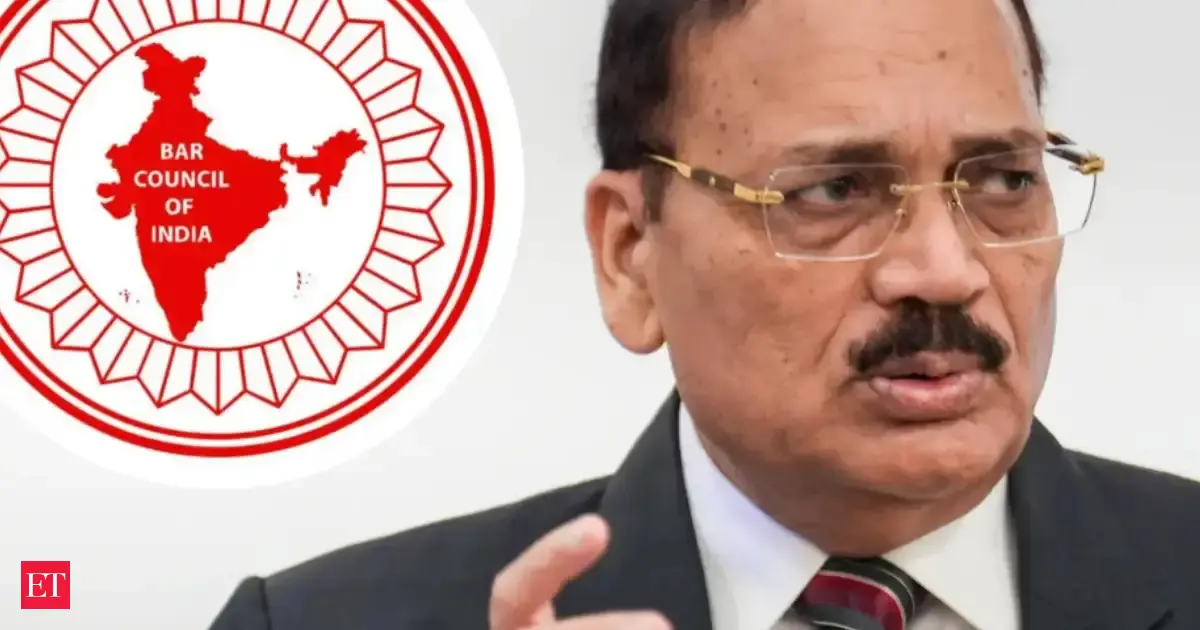
<p>In a landmark development that has reignited debates on academic freedom, the Chief Justice of India (CJI) Surya Kant recently delivered a scathing critique of the Bar Council of India’s (BCI) punitive action against students from NALSAR University of Law. The ruling, which dismissed the BCI’s attempt to penalize students for their peaceful protest, marks a pivotal moment in India’s ongoing struggle to reconcile institutional authority with student activism. This article delves into the historical evolution of student protest rights in Indian universities, with a focus on law schools, and examines how judicial interventions are reshaping the landscape of academic freedom in 2026.</p>
<h2>Historical Context: Student Movements That Redefined Higher Education</h2>
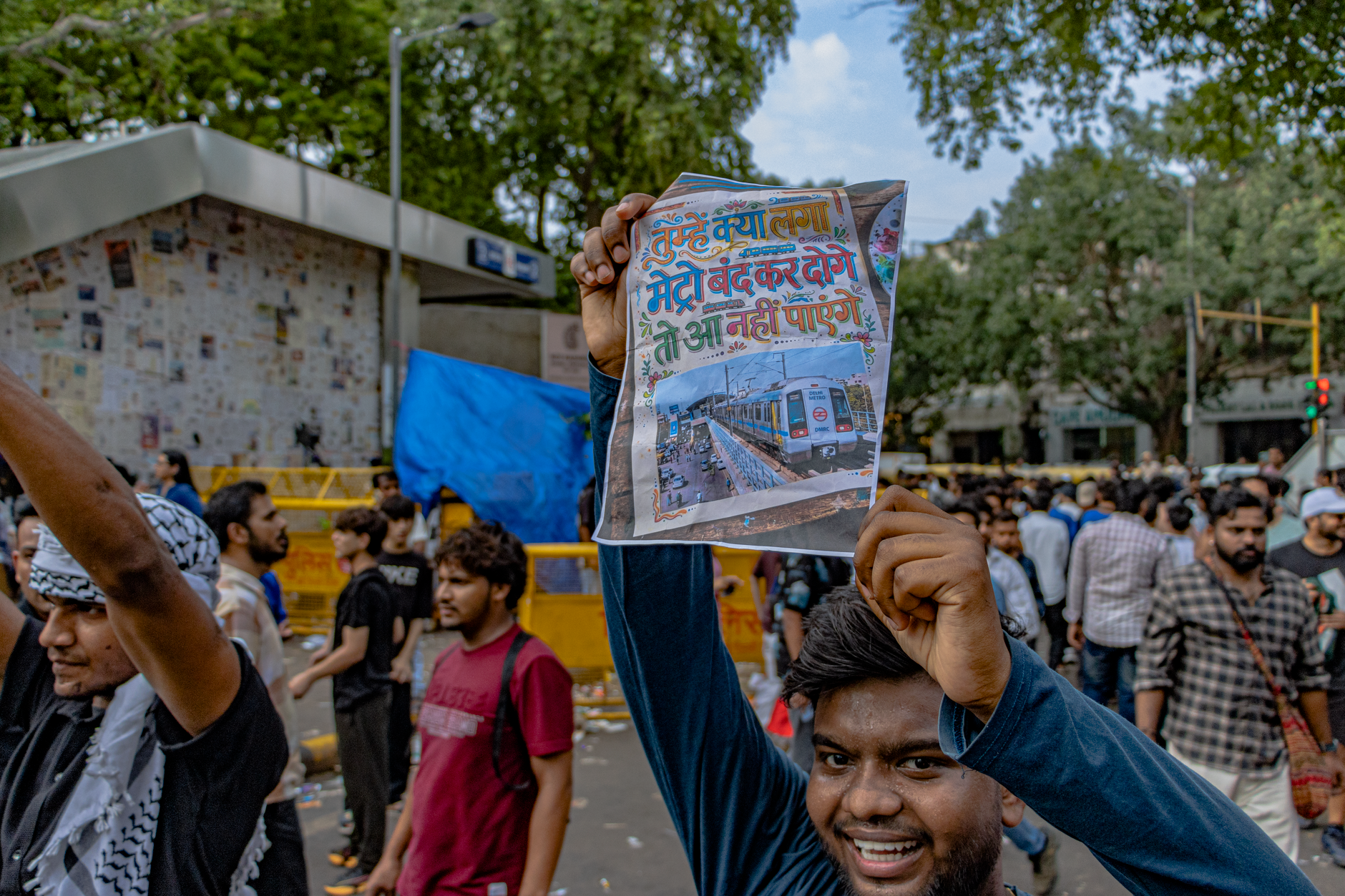
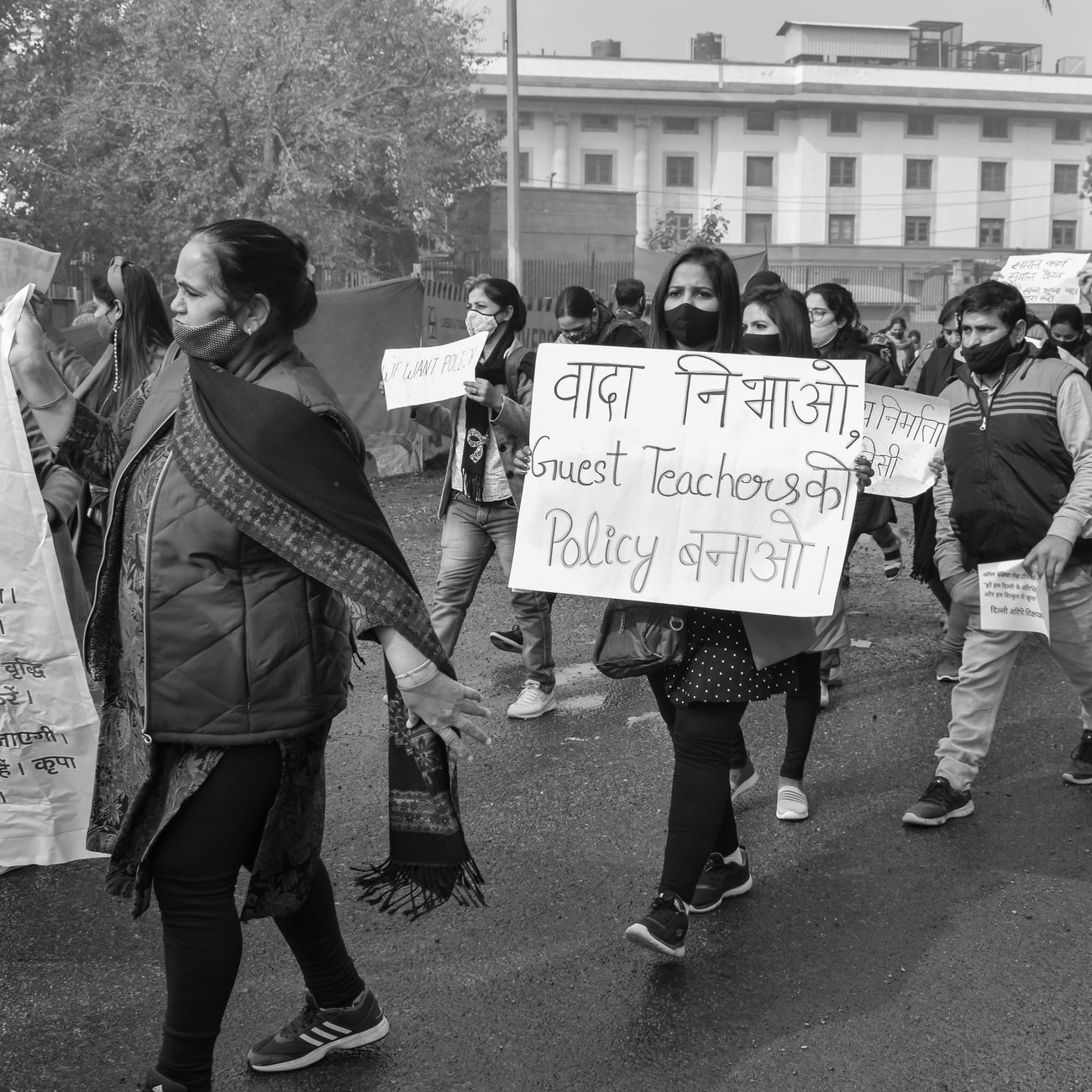
<p>The roots of student activism in India trace back to the freedom struggle, where campuses became hotbeds of resistance against colonial rule. Post-independence, student movements evolved into broader socio-political movements, demanding reforms in education policies and governance. Key milestones include the 1970s protests against fee hikes, the 1980s student-led campaigns against caste discrimination, and the 2012 protests at Delhi University against administrative apathy. These movements not only influenced university policies but also sparked <a href="/article/unraveling-the-legal-shift-how-bci-handles-high-profile-cases-in-dowry-death-investigations" title="Unraveling the Legal Shift: How BCI Handles High-Profile Cases in Dowry Death Investigations" class="internal-link">legal</a> battles, setting precedents for student rights.</p>
<p>One defining example is the 2016 Jadavpur University protests, where students challenged the university administration’s handling of sexual harassment complaints. The case culminated in a High Court ruling affirming students’ right to peaceful assembly and expression, even within campus premises. Similarly, the 2020 protests at Jamia Millia Islamia against rising fees highlighted the tension between institutional autonomy and student demands for affordable education. These movements, though diverse in their causes, share a common thread: the relentless pursuit of equity and transparency in academic spaces.</p>
Advertisement
Loading partner content...
<h3><a href="/article/why-jharkhand-students-are-protesting-a-deep-dive-into-education-rights-government-response-and-the-" title="Why Jharkhand Students Are Protesting: A Deep Dive into Education Rights, Government Response, and the Role of Public Figures like Rahul Gandhi" class="internal-link">The Role of</a> the Bar Council of India in Regulating Student Conduct</h3>
<p>The Bar Council of India (BCI), established under the Advocates Act of 1961, oversees legal education standards in India. Its regulations extend to student conduct, including guidelines on protests, dress codes, and participation in external events. While these rules aim to maintain decorum, critics argue they often stifle dissent. For instance, BCI’s 2023 policy barred students from protesting "within or near" law school campuses, citing security concerns.</p>
<p>This regulation became a point of contention during the NALSAR protests, where students demanded better infrastructure and transparency in fee structures.</p>
<p>Legal experts suggest that BCI’s approach reflects a broader trend in Indian institutions prioritizing order over open dialogue. Dr. Ananya Sharma, a constitutional law professor at NALSAR, notes, "While institutions have a duty to ensure safety, overly rigid rules risk alienating students who view protest as a fundamental right." The challenge lies in balancing institutional authority with the democratic principles of academic freedom.</p>
Advertisement
Loading partner content...
<h2>Judicial Precedents: Landmark Rulings on Student Protest Rights</h2>
<p>Indian courts have long grappled with defining the boundaries of student protest rights. Several landmark judgments have shaped this discourse:</p>
<ol>
<li><b>University of Delhi v. S. R. Bhat (1994):</b> <a href="/article/the-supreme-court-s-investigation-into-bci-chairmanship-s-impact-on-nalsar-students-a-deep-dive-into" title="The Supreme Court's Investigation into BCI Chairmanship's Impact on NALSAR Students: A Deep Dive into Institutional Authority, Legal Accountability, and Academic Freedom" class="internal-link">The Supreme</a> Court upheld students’ right to peaceful protest, ruling that universities cannot restrict expression unless it poses a "clear and present danger." This case laid the foundation for evaluating protests under the principle of proportionality.</li>
<li><b>Jamia Millia Islamia v. Union of India (2018):</b> The Delhi High Court invalidated a university policy banning students from criticizing administrative decisions, emphasizing that academic institutions must foster open debate.</li>
<li><b>Shaheen v. University of Hyderabad (2020):</b> The Telangana High Court ruled that students cannot be expelled for participating in protests unrelated to academic matters, provided they follow due process.</li>
</ol>
Advertisement
Loading partner content...
<p>These rulings collectively affirm that student protests, when conducted peacefully, are protected under Article 19(1)(a) of the Constitution. However, the application of these principles varies across institutions, creating legal ambiguity for students and administrators alike.</p>
<h3>The NALSAR Case: A Test Case for Academic Freedom</h3>
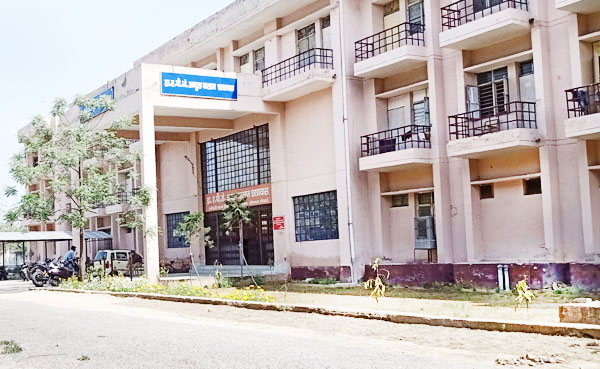
<p>In early 2026, students at Nalsar University of Law, Hyderabad, staged a protest against delayed infrastructure projects and alleged mismanagement of funds. The BCI, citing its 2023 regulation, moved to suspend the students for "disrupting campus harmony." The case escalated to the Supreme Court, where CJI Surya Kant dismissed the BCI’s plea, stating, "Student activism is not a criminal act unless it violates specific laws." The ruling underscored the judiciary’s role in protecting academic freedom against overreach by statutory bodies.</p>
<p>Experts argue that the NALSAR verdict could serve as a template for future cases. "This judgment signals that institutions must justify their actions with concrete evidence of harm, not mere accusations of disorder," says legal scholar Dr. Rohan Mehta. The decision also reaffirmed students’ right to hold authorities accountable, a principle long championed by civil society groups.</p>
Advertisement
Loading partner content...
<h2>Balancing Discipline and Dissent: Key Legal Principles</h2>
<p>At the heart of student protest debates lies the tension between institutional autonomy and free speech. Courts have consistently applied three principles to navigate this conflict:</p>
<table>
<tr>
<th>Principle</th>
<th>Explanation</th>
</tr>
<tr>
<td>Proportionality</td>
<td>Actions taken against students must be proportionate to the alleged offense. Punitive measures like suspensions require clear evidence of misconduct.</td>
</tr>
<tr>
<td>Academic Freedom</td>
<td>Campuses must remain spaces for open inquiry and debate. Restrictions on speech should not stifle legitimate criticism.</td>
</tr>
<tr>
<td>Institutional Autonomy</td>
<td>Universities have rights to self-governance, but these must not override constitutional guarantees of free expression.</td>
</tr>
</table>
<p>For instance, in the NALSAR case, the court emphasized that the BCI failed to demonstrate how the students’ actions harmed the institution or others. This aligns with the proportionality principle, which demands a rational nexus between the punishment and the offense.</p>
<h2>Implications for Legal Education in India</h2>
Advertisement
Loading partner content...
<p>The NALSAR ruling has far-reaching implications for legal education. Law schools, which train future lawyers, must now navigate the delicate balance between enforcing discipline and fostering critical thinking. Many institutions are revisiting their policies to accommodate student grievances through forums and committees. For example, NALSAR has introduced a "Student-Academic Council" to address infrastructure concerns, while others like NLU Delhi have established grievance redressal mechanisms.</p>
<p>However, challenges remain. While some universities embrace student activism as a learning opportunity, others cling to authoritarian models. The recent crackdown on protests at certain private law colleges in Mumbai highlights the persistent divide. As CJI Surya Kant observed, "Institutions that suppress dissent risk creating environments where students cannot internalize the very values they claim to teach."</p>
<h3>Expert Insights: The Role of Judicial Interventions</h3>
<p>Judicial interventions like the NALSAR ruling are reshaping how institutions approach student rights. Legal experts suggest that such decisions could lead to standardized guidelines for handling protests. "Courts are increasingly recognizing that student activism is a barometer of institutional health," notes Prof. Mehta.</p>
<p>This shift may compel universities to adopt more participatory governance models, where students have formal roles in decision-making processes.</p>
Advertisement
Loading partner content...
<p>Furthermore, the ruling sets a precedent for challenging other statutory bodies, such as the Medical Council of India, which has faced similar criticism for restrictive policies. By prioritizing constitutional rights over bureaucratic prerogatives, the judiciary is reinforcing the democratic ethos of Indian higher education.</p>
<h2>Looking Ahead: Policy Recommendations for Universities and Bar Councils</h2>
<p>As India’s higher education sector evolves, stakeholders must collaborate to create frameworks that protect both institutional integrity and student rights. Key recommendations include:</p>
<ul>
<li><b>Transparent Grievance Mechanisms:</b> Universities should establish accessible channels for students to voice concerns without fear of reprisal.</li>
<li><b>Reforming Regulatory Bodies:</b> The BCI and other councils must revise outdated regulations that stifle dissent, focusing instead on fostering inclusive environments.</li>
<li><b>Training for Administrators:</b> Faculty and staff should receive training on handling protests constructively, emphasizing dialogue over punishment.</li>
<li><b>Student Involvement in Governance:</b> Institutions can create advisory committees with student representatives to ensure their voices are heard in policy decisions.</li>
</ul>
<p>For students, responsible activism remains crucial. While protests are a right, they must adhere to legal norms and prioritize peaceful methods. As one NALSAR student organizer stated, "Our goal is not to dismantle institutions but to ensure they fulfill their role as spaces of learning and justice."</p>
Advertisement
Loading partner content...
<h2>Conclusion: The Future of Academic Freedom in India</h2>
<p>The NALSAR case and CJI Surya Kant’s ruling signify a turning point in India’s approach to student protest rights. They underscore the judiciary’s commitment to upholding academic freedom and highlight the urgent need for institutions to embrace student activism as a catalyst for positive change. As universities grapple with these shifts, the balance between discipline and dissent will define the future of Indian higher education. jpg" alt="NALSAR University" class="w-full h-[400px] object-cover" />
</figure>
<p>With legal frameworks evolving and public awareness growing, India stands at a crossroads.</p>
<p>The choices made by institutions, regulatory bodies, and students in the coming years will determine whether campuses remain spaces of learning or become battlegrounds of control. The stakes are high, but so too are the possibilities for a more just and inclusive academic landscape.</p>
<b>Keywords:</b> student protest rights India, academic freedom legal education, CJI Surya Kant, BCI regulations students</b></b></p></i></i></i></i>