<h1>T. rex fossil could become most expensive dinosaur <a href="/article/why-india-s-middle-class-is-more-stressed-than-ever" title="Why India’s Middle Class Is More Stressed Than Ever" class="internal-link">ever</a> sold - BBC</h1>
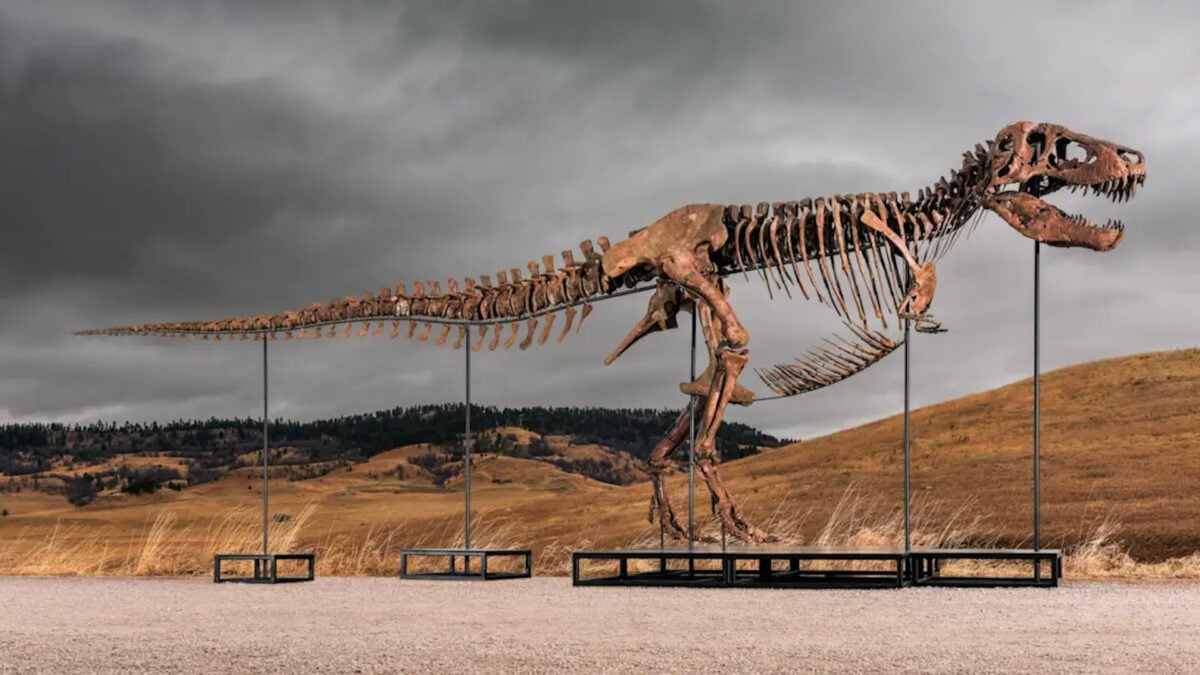
<p>The recent BBC headline about a Tyrannosaurus rex fossil poised to shatter auction records has reignited public fascination with prehistoric giants. Yet <a href="/article/beyond-the-headlines-a-comprehensive-guide-to-india-s-dowry-death-laws-high-profile-cases-and-how-th" title="Beyond the Headlines: A Comprehensive Guide to India’s Dowry Death Laws, High‑Profile Cases, and How They Shape Society" class="internal-link">beyond the</a> staggering price tags lies a deeper story about how modern technology is transforming paleontology from a dusty academic pursuit into a high‑stakes, data‑driven market. This article explores the intersection of fossil hunting, cutting‑edge tech, and the economics that could make a single dinosaur skeleton worth more than a luxury mansion.</p>
<h2>The Fossil Market: From Bones to Billions</h2>
<p>For centuries, fossils were curiosities tucked away in university cabinets or private curiosity cabinets. The first major public auction of a dinosaur specimen occurred in 1997 when “Sue,” the most complete T. rex ever found, fetched $8.3 million at Sotheby’s. Since then, a handful of spectacular sales have pushed the ceiling higher each decade.</p>
<p>What drives these astronomical values? Rarity is the obvious answer, but provenance, completeness, and aesthetic presentation play equally crucial roles. A fossil that retains over 75 % of its original skeleton, displays a dramatic pose, and comes with impeccable documentation can command multiples of a fragmentary counterpart.</p>
<p><b>Key factors influencing fossil prices today:</b></p>
<ul>
<li>Completeness of the skeleton (percentage of bones recovered)</li>
<li>Historical significance (first of its kind, linked to a famous expedition)</li>
<li>Quality of preparation and mounting (articulation, display pose)</li>
<li>Legal provenance (clear export permits, no conflict with heritage laws)</li>
<li>Media exposure and public fascination (often amplified by documentaries)</li>
</ul>
<p>In 2026, the market is no longer limited to wealthy private collectors. Museums, universities, and even tech‑savvy investment funds now participate, using sophisticated tools to assess and authenticate specimens before bidding.</p>
<h2>Technology’s Role in Paleontology</h2>
<p>Modern paleontology relies less on the rock hammer and more on digital scanners, artificial intelligence, and blockchain ledgers. These innovations not only accelerate discovery but also add layers of trust and transparency to fossil transactions.</p>
Advertisement
Loading partner content...
<h3>Imaging and 3D Scanning</h3>
<p>High‑resolution laser scanners and photogrammetry rigs can capture every ridge, pore, and scar on a bone in microns. The resulting 3D model serves multiple purposes:</p>
<ol>
<li>Virtual preservation – <a href="/article/creating-engaging-social-media-content-the-art-of-capturing-attention-in-a-digital-age" title="Creating Engaging Social Media Content: The Art of Capturing Attention in a Digital Age" class="internal-link">a digital</a> twin safeguards the specimen against damage or loss.</li>
<li>Remote study – scientists worldwide can examine the fossil without travel.</li>
<li>Market verification – buyers can inspect a flawless digital replica before committing funds.</li>
</ol>
<p><figure class="my-8 overflow-hidden rounded-3xl shadow-xl">
<img src="https://images.unsplash.com/photo-1650288619836-ae092ba88d31?crop=entropy&cs=tinysrgb&fit=max&fm=jpg&ixid=M3w4NjI1Nzh8MHwxfHNlYXJjaHwxfHwzRCUyMHNjYW5uaW5nJTIwZm9zc2lsfGVufDB8MHx8fDE3ODM5MzE0NjZ8MA&ixlib=rb-4.1.0&q=80&w=1080" alt="3D scanning fossil" class="w-full h-[400px] object-cover" />
</figure></p>
<p><b>Recent auctions have begun to include QR codes linked to these 3D models, allowing bidders to view the fossil from any angle on their smartphones.</b></p>
<h3>Artificial Intelligence for Provenance</h3>
<p>AI <a href="/article/social-media-algorithms-explained-how-they-shape-your-feed" title="Social Media Algorithms Explained: How They Shape Your Feed" class="internal-link">algorithms</a> now sift through vast archives of excavation notes, photographs, and geological maps to reconstruct a fossil’s journey from field to marketplace. By detecting inconsistencies—such as mismatched sediment signatures or anomalous timestamps—AI can flag potential forgeries or illicit trades.</p>
<p>One notable platform, <a rel="nofollow noopener noreferrer" href="https://www.paleoauth.ai" rel="nofollow noopener noreferrer">PaleoAuth</a>, uses deep learning to compare a specimen’s microstructure against a database of known authentic fossils, delivering a authenticity score in minutes.</p>
<h3>Blockchain and Smart Contracts</h3>
<p>To combat the long‑standing issue of forged provenance documents, several auction houses have started recording fossil certificates on a public blockchain. Each transfer of ownership is logged as a transaction, creating an immutable chain of custody.</p>
<p>Smart contracts can also automate royalty payments to the original excavators or indigenous communities whenever the fossil is resold, aligning financial incentives with ethical stewardship.</p>
Advertisement
Loading partner content...
<h3>Virtual Reality Exhibits</h3>
<p>Beyond the sale room, museums are using VR to let visitors “walk” alongside a digital T. rex in its Cretaceous habitat. These immersive experiences increase public interest, which in turn fuels demand for authentic specimens that can be showcased in such exhibits.</p>
<h2>The Economics of Rarity</h2>
<p>While technology adds confidence to the market, the underlying economics remain rooted in scarcity. The Cretaceous period ended 66 million years ago, and the odds of finding a complete, well‑preserved T. rex skeleton are astronomically low.</p>
<p>Consider the following comparison of recent high‑profile dinosaur sales (prices in USD millions):</p>
<table>
<thead>
<tr>
<th>Specimen</th>
<th>Year Sold</th>
<th>Completeness</th>
<th>Price</th>
</tr>
</thead>
<tbody>
<tr>
<td>Sue (T. rex)</td>
<td>1997</th>
<td>90 %</th>
<td>8.3</th>
</tr>
<tr>
<td>Stan (T. rex)</th>
<td>2020</th>
<td>85 %</th>
<td>31.8</th>
</tr>
<tr>
<td>Tristan Otto (T. rex)</th>
<td>2021</th>
<td>78 %</th</th>
<td>6.0</th>
</tr>
<tr>
<td>“Barosaurus” (Sauropod)</th>
<td>2023</th>
<td>70%</th>
<td>4.5</th>
</tr>
</tbody>
</table>
<p><b>The upward trajectory is clear: better preservation, stronger provenance, and tech‑enhanced buyer confidence are pushing prices into unprecedented territory.</b></p>
<p>Legal frameworks also shape the market. In many countries, fossils found on public land are considered national heritage and cannot be privately owned. Conversely, in the United States, the “finders keepers” principle applies on private land, creating a patchwork of regulations that savvy collectors navigate with legal counsel.</p>
<h2>Practical Tips for Aspiring Fossil Collectors</h2>
<p>If the idea of owning a piece of deep time excites you, approach the hobby with both passion and prudence. Below are actionable steps to help you start responsibly.</p>
Advertisement
Loading partner content...
<h3>1. Educate Yourself First</h3>
<p>Before spending a dime, study the basics of vertebrate paleontology. Recognize the difference between a genuine bone and a cast, and learn how to read a geological map. Many universities offer free online courses; the <a rel="nofollow noopener noreferrer" href="https://www.coursera.org/learn/paleontology" rel="nofollow noopener noreferrer">Paleontology: Ancient Marine Reptiles</a> module is a solid start.</p>
<h3>2. Verify Provenance with Technology</h3>
<p>Ask sellers for a 3D scan or high‑resolution photogrammetry dataset of the specimen. Run the data through a reputable AI provenance service (like PaleoAuth) to obtain an authenticity score. Insist on seeing blockchain‑recorded certificates if available.</p>
<h3>3. Understand Legal Restrictions</h3>
<p>Check the fossil’s origin. If it was excavated from public land <a href="/article/first-ai-enabled-university-in-india-a-game-changer-for-higher-education" title="First AI-Enabled University in India — A Game Changer for Higher Education?" class="internal-link">in India</a>, for instance, the Antiquities and Art Treasures Act may apply. Consult a lawyer specializing in cultural heritage to avoid inadvertent violations.</p>
Advertisement
Loading partner content...
<h3>4. Plan for Preservation</h3>
<p>Fossils are fragile. Invest in a climate‑controlled display case (ideal humidity 40‑50 %, temperature 18‑20 °C). Use UV‑filtering glass to prevent fading of any pigment or matrix.</p>
<h3>5. Start Small, Build Expertise</h3>
<p>Consider beginning with smaller, more affordable specimens—such as trilobites, ammonites, or fossilized plant fragments. These allow you to hone your identification and preservation skills without risking six‑figure sums.</p>
<p><b>Remember: the true value of a fossil lies not just in its price tag, but in the scientific story it tells and the wonder it inspires.</b></p>
<h2>Future Trends: What’s Next for Dinosaur Fossils?</h2>
<p>Looking ahead, several converging trends promise to reshape the fossil landscape.</p></i>