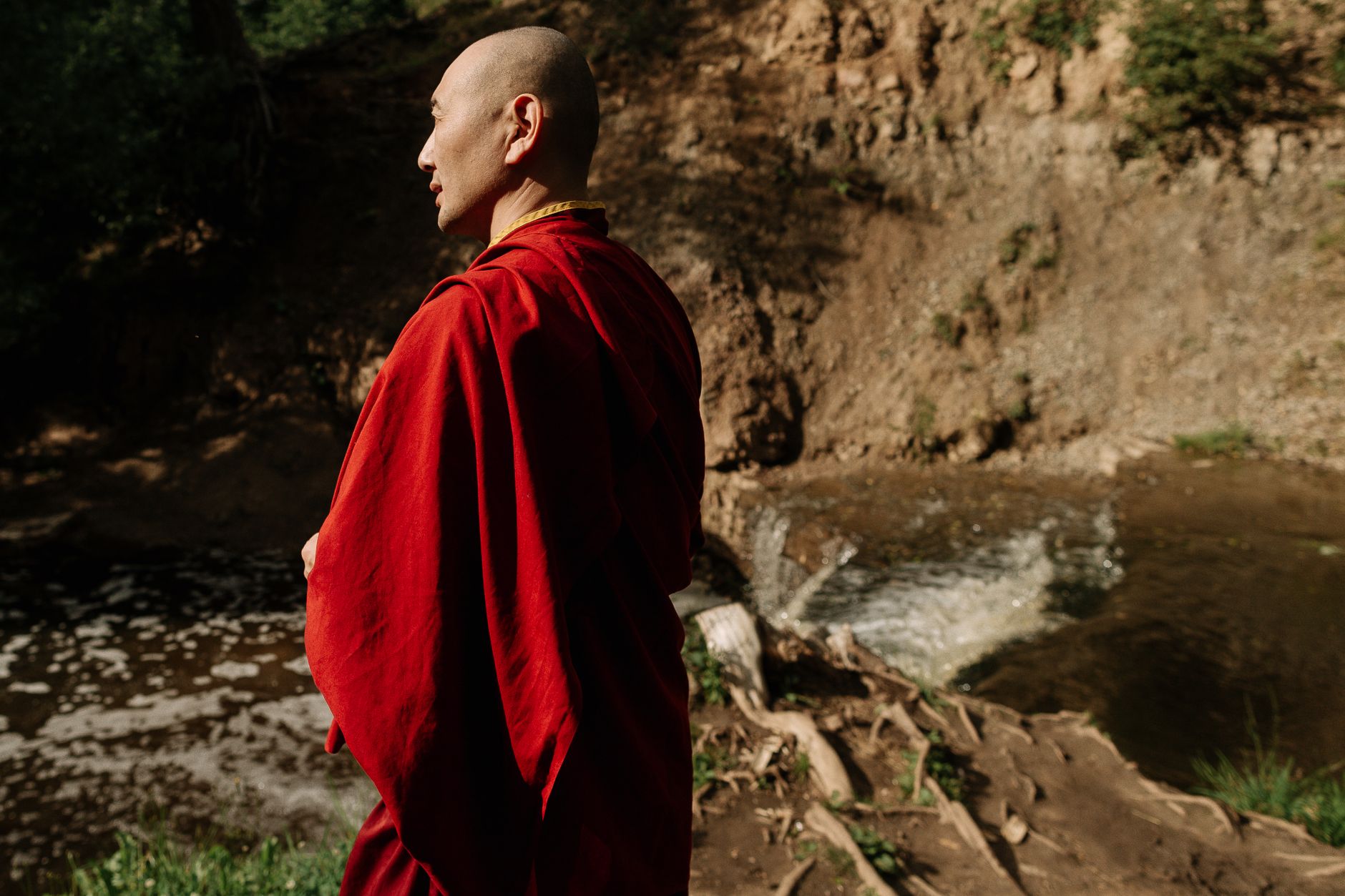

The Business of Spirituality: Is Mindfulness Becoming a Billion-Dollar Industry?
Once a practice rooted in ancient Buddhist traditions and Eastern philosophy, <b>mindfulness</b> has undergone a radical transformation. Today, it's not just a personal practice but a <b>global economic force</b>. From meditation apps downloaded millions of times to corporate <a href="/article/holistic-approaches-to-mental-wellness-in-the-digital-age" title="Holistic approaches to mental wellness in the digital age" class="internal-link">wellness</a> programs and luxury retreats, the journey from monastery to marketplace is complete. This explosion raises critical questions: Has this commercialization made spirituality more accessible, or has it created an elite, profit-driven industry? This article explores the <b>complex ecosystem</b> where ancient wisdom meets modern capitalism, examining the growth, players, benefits, and ethical dilemmas of the mindfulness economy.
The Rise of the Mindfulness Economy
The <b>mindfulness industry</b> is no longer a niche market. It has surged into a multi-billion-dollar global phenomenon, driven by urban stress, <a href="/article/marketplace-marketing-strategies-unlock-growth-in-the-digital-bazaar" title="Marketplace Marketing Strategies: Unlock Growth in the Digital Bazaar" class="internal-link">digital</a> overload, and a growing awareness of mental health. This economic sector encompasses a wide range of products and services designed to cultivate present-moment awareness and reduce stress.
- Meditation apps like Calm and Headspace have raised hundreds of millions in venture capital, boasting tens of millions of users and subscription revenues that rival major media companies.
- Corporate wellness programs now routinely include mindfulness training, with companies spending billions to boost employee productivity and reduce burnout.
- Retreat centers and spiritual tourism offer everything from weekend silent retreats to month-long immersive experiences in exotic locales, often at premium prices.
- Online courses and digital gurus sell everything from "21-day mindfulness challenges" to advanced teachings, creating a new class of spiritual entrepreneurs.

Estimates vary, but the global wellness market—which includes mindfulness—is valued at over <b>$4.5 trillion</b>, with the meditation app market alone projected to exceed $4 billion by 2027. This growth signals a profound shift: <b><a href="/article/self-help-series-a-journey-into-inner-transformation" title="Self-Help Series: A Journey Into Inner Transformation" class="internal-link">inner</a> peace</b> is now a quantifiable commodity.
Advertisement
Loading partner content...
Tech-Driven Spirituality
Technology has been the primary engine of mindfulness commercialization. What was once transmitted teacher-to-student is now delivered via smartphone, often with <b>algorithmic personalization</b> and <b>AI-powered guidance</b>.
- AI and machine learning now power some apps, analyzing user data to tailor meditation sessions, track mood patterns, and offer real-time coaching.
- The dominant business model is subscription-based calmness, where users pay monthly or yearly fees for access to guided meditations, sleep stories, and breathing exercises.
- Social media influencers and wellness celebrities have become the new evangelists, promoting mindfulness products and lifestyles to millions of followers.
This creates a paradox: tools designed to help us disconnect are themselves <b>highly engaging, data-harvesting platforms</b>. The very devices that contribute to our anxiety now sell us the cure, often with <b>gamified streaks</b> and notifications that mirror the addictive patterns they aim to alleviate.
Corporate Adoption of Mindfulness
The boardroom has embraced mindfulness with open arms. Giants like Google, Apple, and Nike offer in-house meditation programs, while consulting firms package mindfulness as a <b>productivity tool</b>. The pitch is compelling: mindful employees are more focused, resilient, and emotionally intelligent, leading to better teamwork and reduced healthcare costs.
However, critics warn of a darker side. When mindfulness is introduced solely to <b>enhance performance</b>—without addressing toxic workloads, job insecurity, or poor management—it risks becoming a <b>band-aid for burnout</b>. Employees are taught to "manage stress" while the sources of that stress remain unchanged. This co-opting of practice for pure profit can turn a tool for liberation into an instrument of <b>corporate control</b>.
Advertisement
Loading partner content...
Commercialization vs. Authenticity
The term <b>"McMindfulness"</b> has been coined to describe the process of stripping spiritual practices of their ethical and philosophical foundations, reducing them to bite-sized, marketable techniques. This raises fundamental questions:
- Are practices like vipassana or zen meditation being diluted when repackaged as 10-minute app sessions?
- Is inner peace being sold as a luxury product, accessible only to those who can afford expensive retreats and subscriptions?
- How does a $2,500-a-week silent retreat compare to the free, community-based meditation groups that have existed for centuries?
The tension between <b>authentic transmission</b> and <b>commercial scaling</b> is at the heart of the industry's identity crisis. When spirituality <a href="/article/debt-management-techniques-to-become-debt-free" title="Debt Management Techniques to Become Debt-Free" class="internal-link">become</a>s a product, its transformative potential may be overshadowed by its price tag.
The Psychology Behind Its Popularity
The mindfulness boom is not accidental; it's a direct response to modern psychological epidemics.
- Anxiety and burnout are at all-time highs in competitive, always-connected societies.
- Digital overload fragments attention and creates a perpetual sense of urgency.
- Loneliness and social isolation, even in crowded cities, leave people searching for connection and meaning.
Mindfulness offers a seemingly simple, science-backed solution. It promises <b>self-regulation</b> in a world that feels out of control, a way to find <b>grounding</b> amid chaos. This deep psychological need ensures a steady demand, regardless of the industry's ethical standing.
Who Is Making Money?
The mindfulness economy has created a new class of entrepreneurs and investors.
Advertisement
Loading partner content...
- App companies (Calm, Headspace) dominate with billion-dollar valuations and massive venture capital backing.
- Retreat organizers and wellness resort owners profit from high-margin experiential packages.
- Authors, speakers, and digital gurus build personal brands and sell courses, coaching, and books.
- Wellness startups integrate mindfulness into everything from corporate software to wearable tech.
- Corporate consultants charge hefty fees to design and deliver workplace mindfulness programs.
The financial flows are substantial, with revenue streams from <b>subscriptions, retreat fees, corporate contracts, speaking engagements, and affiliate marketing</b>. For many, mindfulness is not a calling but a <b>career path</b>.
Accessibility and Inequality
While marketed as a universal tool, the commercial mindfulness industry often exacerbates inequality.
- Paid subscriptions create a paywall for what were traditionally free or donation-based teachings.
- High-cost retreats are inaccessible to low-income individuals, creating a spiritual "have and have-not" divide.
- Geographic disparities mean rural areas and developing nations have far less access to both commercial and traditional resources.
This raises a critical question: Has mindfulness become an <b>elitist practice</b>? The irony is profound: a practice meant to cultivate <b>equanimity</b> and <b>non-attachment</b> is now