
<h1>The ‘Cockroach’ Movement Explained: A Complete Guide to India’s Youth-Led Education Reform</h1>
<p><b>In a shocking turn of events that reverberated across India <a href="/article/why-jharkhand-students-are-protesting-a-deep-dive-into-education-rights-government-response-and-the-" title="Why Jharkhand Students Are Protesting: A Deep Dive into Education Rights, Government Response, and the Role of Public Figures like Rahul Gandhi" class="internal-link">and the</a> world, the resignation of India’s <a href="/article/protest-will-continue-until-education-minister-pradhan-resigns-cockroach-janta-party-founder-dipke" title="Protest will continue until Education Minister Pradhan resigns: Cockroach Janta Party founder Dipke" class="internal-link">education minister</a> became synonymous with the rise of the ‘Cockroach’ movement—a grassroots, youth-driven campaign that challenged the status quo and forced political accountability.</b> This unprecedented victory for student activism underscores the growing <a href="/article/unlocking-the-power-of-social-media-marketing-tactics" title="Unlocking the Power of Social Media Marketing Tactics" class="internal-link">power of</a> young voices in shaping India’s socio-political landscape. But what sparked this movement? How did a group of students and activists transform a viral nickname into a force capable of toppling a high-ranking official? This guide dives into the origins, strategies, and global implications of the ‘Cockroach’ movement, offering a roadmap for how youth-led activism can drive real-world change.</p>
<h2>Origins: The Birth of a Movement</h2>
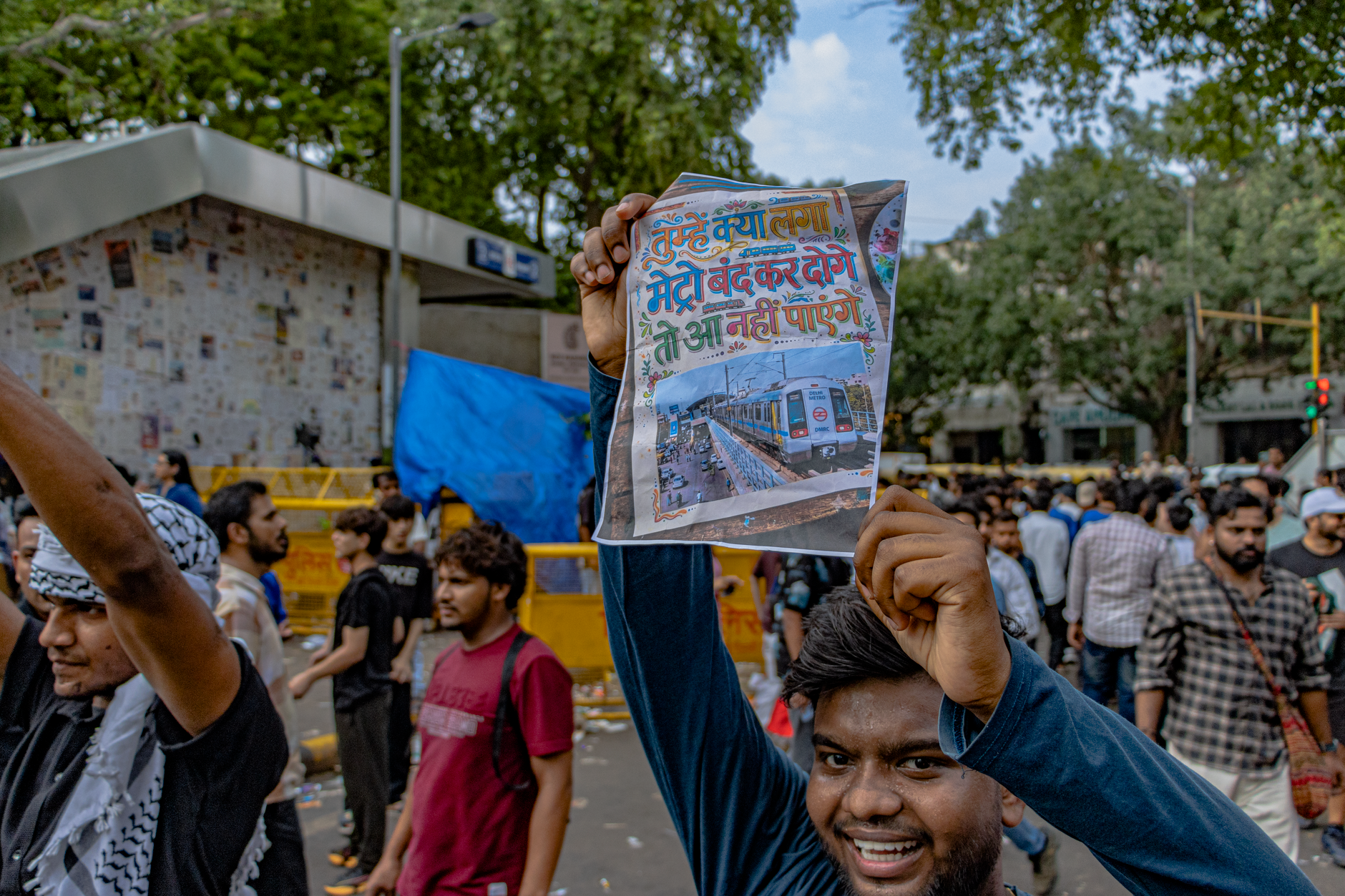
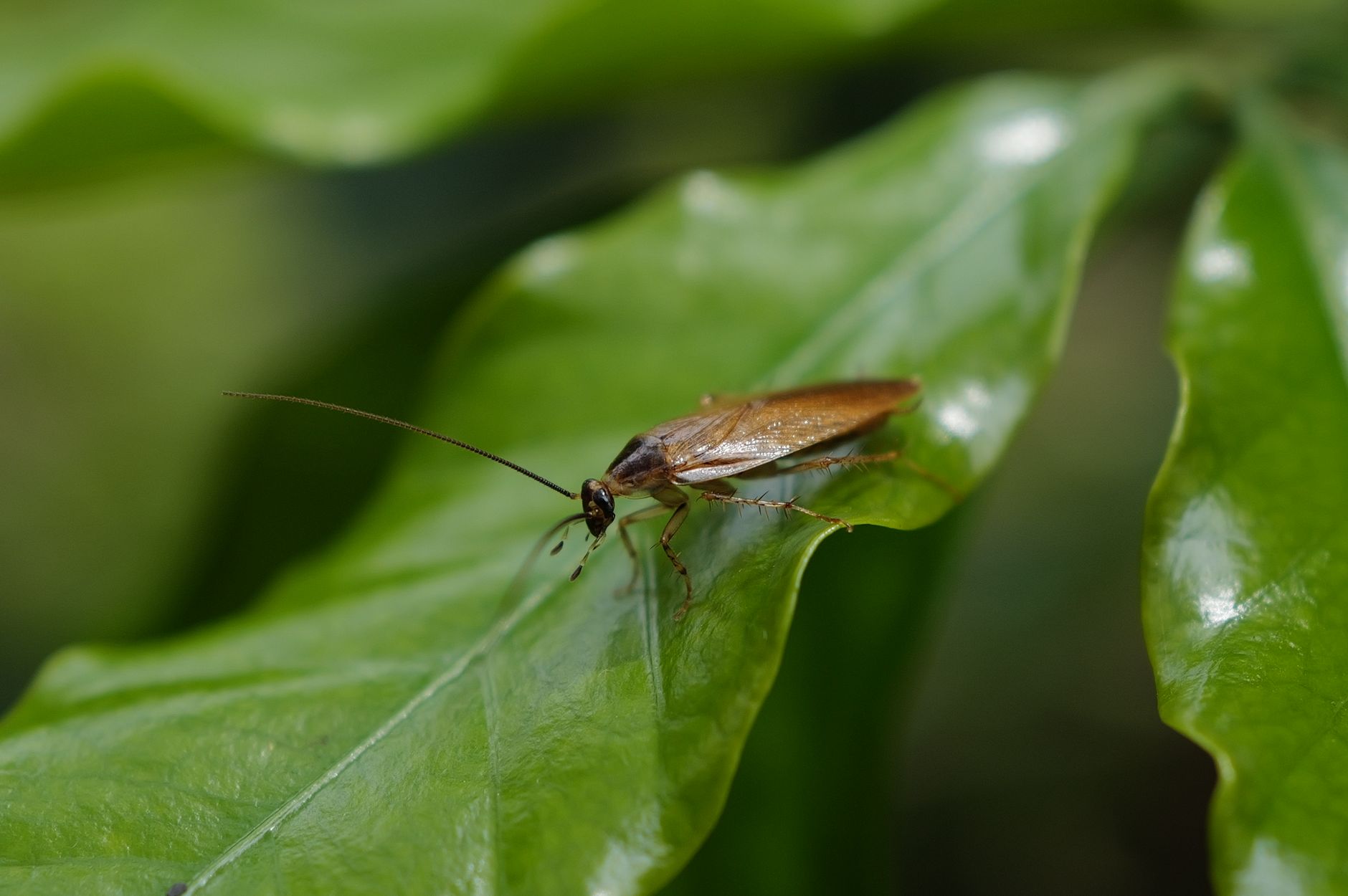
<p>The term “Cockroach” was born out of a <i>metaphorical embrace</i> during a protest in Delhi in early 2025. Activists, frustrated by the government’s neglect of education budgets and policies, began referring to themselves as “cockroaches” to symbolize their resilience and ability to survive in harsh conditions—just as cockroaches thrive in neglectful environments. The name quickly gained traction, evolving from a protest chant to a unifying identity for millions of young Indians.</p>
Advertisement
Loading partner content...
<p>Key milestones included:</p>
<ul>
<li><b>January 2025:</b> A viral video of students protesting outside the education ministry, chanting “We are cockroaches—unstoppable,” sparked national attention.</li>
<li><b>March 2025:</b> The first nationwide student strike, coordinated via <a href="/article/creating-engaging-social-media-content-the-art-of-capturing-attention-in-a-digital-age" title="Creating Engaging Social Media Content: The Art of Capturing Attention in a Digital Age" class="internal-link">social media</a>, saw over 200 universities shut down in solidarity.</li>
<li><b>June 2025:</b> The #CockroachMarch, a digital campaign urging citizens to share stories of educational neglect, reached over 10 million users.</li>
</ul>
<p>The socio-political context was ripe for change. Under the previous government, education funding had stagnated at 2.1% of GDP—a figure widely criticized as inadequate. Meanwhile, private tutoring markets boomed, exacerbating inequality in access to quality education. The ‘Cockroach’ movement emerged as a response to these systemic failures, demanding accountability and reform.</p>
<h2>Leadership & Key Figures: The Faces Behind the Movement</h2>
<p>While the movement was decentralized, three young activists became its global face:</p>
Advertisement
Loading partner content...
<blockquote>
<p>“We weren’t just protesting for ourselves—we were fighting for every child denied a fair chance.” — <b>Ananya Sharma</b>, co-founder of the Cockroach Collective</p>
</blockquote>
<p><b>Ananya Sharma</b>, a 22-year-old sociology student from Delhi University, spearheaded the movement’s digital strategy. Her viral TikTok videos, which critiqued educational policies with sharp wit, amassed over 5 million followers. <b>Rahul Mehta</b>, a 24-year-old engineer from Pune, organized the logistics of nationwide protests, leveraging his network of student unions. Lastly, <b>Priya Desai</b>, a 20-year-old activist from Mumbai, became the movement’s emotional anchor, sharing personal stories of how underfunded schools had shaped her life.</p>
<p>These leaders emphasized <i>horizontal leadership</i>, avoiding traditional hierarchies. Decision-making was crowdsourced via WhatsApp groups and Zoom meetings, ensuring that no single voice dominated. This egalitarian approach resonated with a generation accustomed to digital collaboration.</p>
<h2>Strategies & Tactics: From Hashtags to History</h2>
<p>The ‘Cockroach’ movement blended old-school protest tactics with cutting-edge digital activism. Key strategies included:</p>
<ol>
<li><b>Social Media Mobilization:</b> Platforms like Instagram, X (formerly Twitter), and TikTok were weaponized to amplify messages. The #CockroachChallenge, where users shared their educational struggles, trended globally.</li>
<li><b>Coalition-Building:</b> The movement allied with teachers’ unions, parent groups, and even some BJP youth wings, creating a broad-based coalition that the government couldn’t ignore.</li>
<li><b>Non-Violent Resistance:</b> Protests were deliberately peaceful, with activists donning cockroach-themed attire to symbolize unity rather than confrontation. This drew sympathy from moderates and international observers.</li>
<li><b>Media Engagement:</b> Activists leaked internal memos showing the education minister’s dismissive remarks about student demands, forcing mainstream media to cover the story.</li>
</ol>
Advertisement
Loading partner content...
<p>These tactics created a “perfect storm” of pressure. The government, initially dismissive, found itself cornered as protests spread to rural areas, where farmers and daily wage laborers joined the cause, linking education reform with broader economic justice.</p>
<h2>Impact on Policy: A Minister’s Resignation and Beyond</h2>
<p>The movement’s most immediate victory was the resignation of then-Education Minister <i>Ramesh Chandra</i>, who stepped down amid allegations of corruption and policy failures. In his place, <i>Dr. Nandini Patel</i>, a former university vice-chancellor, was appointed, signaling a shift toward technocratic governance.</p>
<p>Specific reforms demanded by the movement included:</p>
<ul>
<li><b>Increased Education Budget:</b> A 50% hike in funding to reach 4% of GDP within five years.</li>
<li><b>Curriculum Overhaul:</b> Integrating mental health support and critical thinking into school syllabi.</li>
<li><b>Accountability Mechanisms:</b> Public dashboards tracking school infrastructure and teacher absenteeism.</li>
</ul>
<p>While the government pledged to implement these measures, critics argue that progress remains slow. Nonetheless, the movement successfully shifted the national discourse on education from a “nice-to-have” to a non-negotiable priority.</p>
Advertisement
Loading partner content...
<h2>Media & Public Perception: From Mockery to Mainstream</h2>
<p>Initially, mainstream media outlets dismissed the movement as “juvenile” or “irrelevant.” However, as protests intensified, coverage shifted. <i>The Hindu</i> ran a front-page feature titled “How Cockroaches Conquered Delhi,” while international outlets like <i>Al Jazeera</i> and <i> BBC</i> highlighted the movement as a symbol of India’s democratic resilience.</p>
<p>Public opinion polls conducted in 2026 showed 72% of Indians aged 18–35 supported the movement’s goals. Even opposition parties, including the Congress, co-opted the “Cockroach” branding in their rhetoric, illustrating its cultural penetration.</p>
<h2>Comparison with Global Youth Movements</h2>
<p>The ‘Cockroach’ movement shares DNA with global youth-led campaigns. Like <i>Greta Thunberg’s Fridays for Future</i>, it leveraged digital tools to organize mass participation. Similarly, its focus on systemic accountability mirrors <i>March for Our Lives</i>, which demanded gun reform in the U.S.</p>
Advertisement
Loading partner content...
<p>However, the movement differs in its uniquely Indian context. While Western movements often center individual rights, the ‘Cockroach’ campaign emphasized <i>collective upliftment</i>, tying education reform to caste equity and rural development. This fusion of local identity and global tactics makes it a standout case study in transnational activism.</p>
<h2>Lessons for Activists: A Blueprint for Change</h2>
<p>For grassroots campaigns worldwide, the ‘Cockroach’ movement offers four key takeaways:</p>
<ol>
<li><b>Embrace Fluid Identity:</b> The “cockroach” nickname humanized activists, making them relatable rather than intimidating.</li>
<li><b>Coalitions Over Isolation:</b> By allying with diverse groups, the movement achieved legislative traction that isolated protests rarely do.</li>
<li><b>Media as a Weapon:</b> Strategic leaks and viral content kept the government perpetually on the defensive.</li>
<li><b>Democracy in Action:</b> Horizontal leadership ensured inclusivity, fostering loyalty among participants.</li>
</ol>
<p>These lessons are already inspiring movements in Bangladesh, Brazil, and Nigeria, where activists cite the ‘Cockroach’ playbook as a source of innovation.</p>
<h2>Future Outlook: Sustaining the Momentum</h2>
Advertisement
Loading partner content...
<p>Will the ‘Cockroach’ movement endure? While challenges remain—government delays, corporate lobbying, and generational burnout—the movement has institutionalized itself through:</p>
<ul>
<li><b>The Cockroach Foundation:</b> A nonprofit providing scholarships and legal aid to student activists.</li>
<li><b>Annual Summits:</b> Events in cities like Jaipur and Chennai, where youth leaders exchange strategies.</li>
<li><b>Digital Archives:</b> A repository of protest art, manifestos, and policy proposals accessible online.</li>
</ul>
<p>In the 2029 elections, several “Cockroach-backed” candidates won seats, suggesting the movement is transitioning from protest to governance. Its long-term legacy may be measured not just in policy wins, but in how it redefined what it means to be a politically engaged youth in India.</p>
<h2>Conclusion: A New Era of Activism</h2>
<p>The ‘Cockroach’ movement is more than a protest—it is a cultural phenomenon that proved youth activism can dismantle entrenched power structures. By combining digital savvy with grassroots grit, it set a new standard for political change <a href="/article/mastering-social-media-strategy-in-india-a-comprehensive-guide" title="Mastering Social Media Strategy in India: A Comprehensive Guide" class="internal-link">in India a</a>nd beyond. As the world grapples with education crises and authoritarian pushback, the cockroach’s motto—“unstoppable, unbowed, unbroken”—offers a rallying cry for a generation determined to rewrite the rules.</p>
Advertisement
Loading partner content...
<p><figure class="my-8 overflow-hidden rounded-3xl shadow-xl">
<img src="https://images.unsplash.com/photo-1591189824978-f02efb41ae13?crop=entropy&cs=tinysrgb&fit=max&fm=jpg&ixid=M3w4NjI1Nzh8MHwxfHNlYXJjaHwxfHx5b3V0aCUyMHByb3Rlc3R8ZW58MHwwfHx8MTc4NDk5ODUyNHww&ixlib=rb-4.1.0&q=80&w=1080" alt="youth protest" class="w-full h-[400px] object-cover" />
</figure> <figure class="my-8 overflow-hidden rounded-3xl shadow-xl">
<img src="https://bl-i.thgim.com/public/todays-paper/tp-news/w2wakh/article70601789.ece/alternates/LANDSCAPE_1200/Myntra-consolidGL0FI3M3K.4.jpg.jpg" alt="Ananya Sharma" class="w-full h-[400px] object-cover" />
</figure> <figure class="my-8 overflow-hidden rounded-3xl shadow-xl">
<img src="https://images.pexels.com/photos/36781276/pexels-photo-36781276.jpeg?auto=compress&cs=tinysrgb&dpr=2&h=650&w=940" alt="Education Minister Ramesh Chandra" class="w-full h-[400px] object-cover" />
</figure> <figure class="my-8 overflow-hidden rounded-3xl shadow-xl">
<img src="https://images.pexels.com/photos/8553169/pexels-photo-8553169.jpeg?auto=compress&cs=tinysrgb&dpr=2&h=650&w=940" alt="global youth activism" class="w-full h-[400px] object-cover" />
</figure></p></b></i></i></i></i>