<h1>The Digital Sunset: Navigating the Pokémon Bank Shutdown and the Future of Digital Ownership</h1>
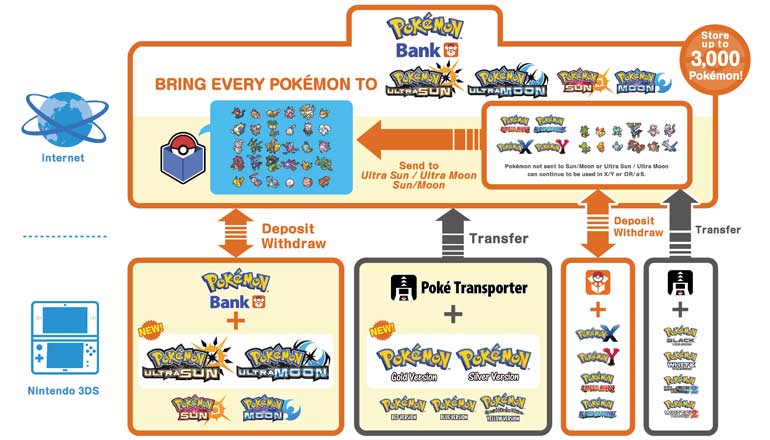
<p><b>The digital landscape is shifting beneath our feet</b>, and for millions of collectors, the ground just felt a little less stable. As reported recently by sources like <b>Hackaday</b>, the impending shutdown of the Pokémon Bank servers marks more than just the end of a service; it signals a <b>tectonic shift in how we perceive digital ownership</b>.</p>
<p>For years, players have treated their Pokémon collections as personal treasures. They have spent thousands of hours breeding, training, and catching rare specimens. <b>However, the reality of cloud-based ecosystems is that you don't own your assets; you merely lease them from the provider.</b></p>
<p>In this comprehensive guide, we will dive deep into the implications of this "digital eviction." We will explore <b>why this happens, how it affects you as a consumer, and how you can protect your digital legacy</b> in an increasingly ephemeral technological world.</p>
<figure class="my-8 overflow-hidden rounded-3xl shadow-xl">
<img src="https://images.pexels.com/photos/11774186/pexels-photo-11774186.jpeg?auto=compress&cs=tinysrgb&dpr=2&h=650&w=940" alt="digital glitch abstract" class="w-full h-[400px] object-cover" />
</figure>
Advertisement
Loading partner content...
<h2>The Mechanics of a Digital Eviction: Why Servers Die</h2>
<p>To understand the Pokémon Bank shutdown, we must look at the <b>underlying technology</b> that powers <a href="/article/understanding-microservices-architecture-a-modern-approach-to-scalable-software-development" title="Understanding Microservices Architecture: A Modern Approach to Scalable Software Development" class="internal-link">modern</a> gaming. Most modern "cloud" services rely on maintaining active server clusters that communicate with local hardware. <b>Maintaining these servers is an ongoing operational expense</b> that includes electricity, hardware upkeep, and software patching.</p>
<p>When a game's active player base falls below a certain threshold, the <b>cost-to-benefit ratio becomes unsustainable</b> for corporations. As we move through <a href="/article/pok-mon-go-fest-2026-raid-make-up-event-pok-mon-go-hub" title="Pokémon GO Fest 2026: Raid Make‑Up Event - Pokémon GO Hub" class="internal-link">2026</a>, we are seeing more "legacy" services being decommissioned to make room for newer, more profitable AI-driven cloud experiences. <b>The decision to shut down a server is often a cold, mathematical one</b>, regardless of the emotional value the contents hold for users.</p>
<p><b>The "Digital Eviction" occurs when the bridge between your local data and the cloud is burned.</b> Once the server is dark, the data stored within that ecosystem becomes inaccessible. This isn't just about Pokémon; it is a <b>warning shot for every digital-first consumer</b> in the modern era.</p>
Advertisement
Loading partner content...
<h3>The Hidden Risks of Cloud-Only Ecosystems</h3>
<p>When developers move toward "always-online" models, they gain several advantages:
<ul>
<li><b>Real-time updates</b> and bug fixes without requiring user intervention.</li>
<li><b>Enhanced security</b> through centralized authentication protocols.</li>
<li><b>Data monetization</b> through the continuous tracking of user behavior.</li>
</ul>
</p>
<p>However, these advantages come with a <b>critical vulnerability: the single point of failure</b>. If the central server goes offline, the entire ecosystem collapses. <b>You lose the ability to transfer, trade, or even view your hard-earned progress.</b></p>
<figure class="my-8 overflow-hidden rounded-3xl shadow-xl">
<img src="https://images.pexels.com/photos/37730212/pexels-photo-37730212.jpeg?auto=compress&cs=tinysrgb&dpr=2&h=650&w=940" alt="data center server room" class="w-full h-[400px] object-cover" />
</figure>
Advertisement
Loading partner content...
<h2>The Philosophical Crisis: Ownership vs. Access</h2>
<p>The Pokémon Bank situation forces us to confront a profound question: <b>Do we actually own anything <a href="/article/holistic-approaches-to-mental-wellness-in-the-digital-age" title="Holistic approaches to mental wellness in the digital age" class="internal-link">in the digital age</a>?</b> In the physical world, if you buy a book, you own that object. If you buy a trading card, you possess it physically. <b>In the digital world, you are buying a license to use a piece of code.</b></p>
<p>As we navigate 2026, the distinction between <b>"owning" and "licensing"</b> has become the central conflict of consumer rights. When a company decides a service is no longer profitable, they can revoke your license at any time. <b>This is the fundamental flaw of the software-as-a-service (SaaS) model</b> that has been applied to gaming and digital media.</p>
<blockquote>
"The transition from physical media to digital services represents a fundamental shift from a consumer-ownership model to a consumer-access model. We are trading permanence for convenience."
</blockquote>
Advertisement
Loading partner content...
<p><b>This shift has massive implications for digital preservation.</b> If the servers are gone, the history of the medium is gone. <b>Archaeologists of the future may find it harder to study 21st-century culture</b> because our most significant cultural artifacts are stored on proprietary servers that can be switched off with a single command.</p>
<h2>Actionable Strategies: How to Protect Your Digital Assets</h2>
<p>While you cannot stop a corporation from shutting down a server, you can <b>take proactive steps to mitigate the loss of your digital life</b>. Whether you are a hardcore gamer, a digital artist, or a crypto-asset holder, these principles apply.</p>
<h3>1. Prioritize Localized Backups</h3>
<p>Whenever possible, <b>opt for software that allows for local save files</b>. If a service requires a cloud connection to function, check if there is a way to export your data to a local storage device. <b>Redundancy is your best defense against digital erasure.</b></p>
Advertisement
Loading partner content...
<h3>2. Diversify Your Digital Portfolios</h3>
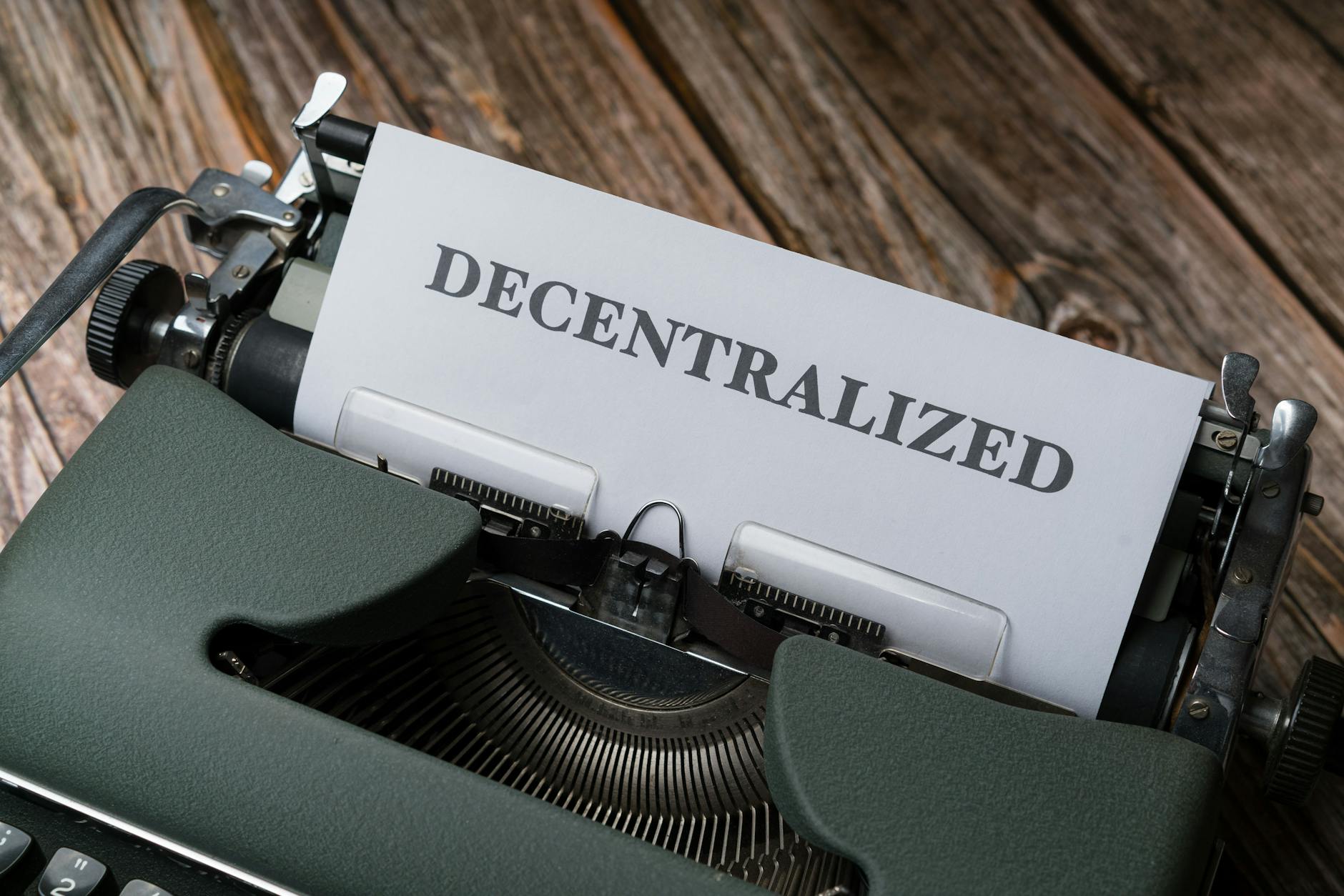
<p>Don't put all your "eggs" in one digital basket. If you have significant value tied up in a specific platform, <b>spread that value across multiple ecosystems</b>. This is especially important in the context of <b>emerging blockchain-based gaming</b>, where true ownership is theoretically possible through decentralized ledgers.</p>
<h3>3. Support "Right to Repair" and Digital Preservation Laws</h3>
<p>As a consumer, your voice matters in the legislative process. <b>Support laws that mandate "end-of-life" protocols for digital services.</b> Ideally, companies should be required to release a "legacy patch" that allows for offline play or local data migration before they shut down their servers.</p>
<figure class="my-8 overflow-hidden rounded-3xl shadow-xl">
<img src="https://images.pexels.com/photos/3915760/pexels-photo-3915760.jpeg?auto=compress&cs=tinysrgb&dpr=2&h=650&w=940" alt="person using laptop and external hard drive" class="w-full h-[400px] object-cover" />
</figure>
Advertisement
Loading partner content...
<h2>Comparative Analysis: Ownership Models in 2026</h2>
<p>To help you understand where your assets sit on the spectrum of security, we have compiled the following comparison table. <b>Use this as a guide when deciding which platforms to invest your time and money in.</b></p>
<table>
<thead>
<tr>
<th>Asset Type</th>
<th>Model</th>
<th>Risk Level</th>
<th>Longevity Potential</th>
</tr>
</thead>
<tbody>
<tr>
<td><b>Physical Media (Discs/Cards)</b></td>
<td>Direct Ownership</td>
<td>Very Low</td>
<td>High (Decades)</td>
</tr>
<tr>
<td><b>Local Digital Files (DRM-free)</b></td>
<td>License/Ownership Hybrid</td>
<td>Low</td>
<td>High</td>
</tr>
<tr>
<td><b>Cloud-Based Services (SaaS)</b></td>
<td>Subscription/Access</td>
<td><b>Very High</b></td>
<td>Low (Variable)</td>
</tr>
<tr>
<td><b>Decentralized Assets (NFT/Web3)</b></td>
<td>Blockchain Ownership</td>
<td>Moderate</td>
<td>Variable</td>
</tr>
</tbody>
</table>
<p><b>Note:</b> While decentralized assets offer "ownership," they are subject to different risks, such as market volatility and smart contract vulnerabilities. <b>Always conduct your own due diligence.</b></p>
<h2>The Role of Hackaday and the Tech Community</h2>
Advertisement
Loading partner content...
<p>The conversation surrounding the Pokémon Bank shutdown was amplified by platforms like <b>Hackaday</b>. Why is this important? Because the <b>hacker community often leads the way in digital preservation</b>. When official channels fail, it is the enthusiasts and the engineers who find ways to emulate old hardware and "rescue" data from dying servers.</p>
<p><b>Reverse engineering is a vital tool for cultural survival.</b> By understanding how these protocols work, developers can create emulators that allow future generations to experience these digital worlds. <b>The technical ingenuity of the community acts as a safety net</b> for the mistakes of corporate decision-making.</p>
<p><b>We must advocate for a tech culture that values longevity</b> as much as it values innovation. A world where everything is "disposable" is a world where our digital history is constantly being rewritten or erased entirely.</p>
<figure class="my-8 overflow-hidden rounded-3xl shadow-xl">
<img src="https://gizmodo.com/app/uploads/2025/07/Donkey-Kong-Switch-2-1-1200x675.jpg" alt="Nintendo Switch OLED" class="w-full h-[400px] object-cover" />
</figure>
Advertisement
Loading partner content...
<h2>Conclusion: <a href="/article/corporate-culture-development-strategies-building-a-thriving-organizational-ecosystem" title="Corporate Culture Development Strategies: Building a Thriving Organizational Ecosystem" class="internal-link">Building a</a> Sustainable <a href="/article/demystifying-web3-how-decentralized-applications-are-reshaping-india-s-digital-future" title="Demystifying Web3: How Decentralized Applications Are Reshaping India's Digital Future" class="internal-link">Digital Future</a></h2>
<p>The shutdown of the Pokémon Bank is a <b>canary in the coal mine</b>. It is a loud, clear signal that the era of "digital permanence" is an illusion. As we move further into this decade, we must adapt our habits to match the reality of our technology.</p>
<p><b>Be mindful of where you store your digital memories.</b> Be aware of the terms of service you agree to every day. And most importantly, <b>demand better from the technology companies</b> that hold the keys to our digital lives.</p>
<p><b>The digital sunset is coming</b>, but by understanding the mechanics of the cloud and the importance of local ownership, we can ensure that our digital legacies don't vanish with the lights going out.</p>
<hr>
Advertisement
Loading partner content...
<p><b>Expert Insight Summary:</b></p>
<ul>
<li><b>Always verify if a service allows for local data exports.</b></li>
<li><b>Treat cloud-based assets as "temporary" rather than "permanent."</b></li>
<li><b>Support initiatives that focus on digital archiving and preservation.</b></li>
<li><b>Diversify your digital holdings to mitigate platform-specific risks.</b></li>
</ul>></b></i></i></i></i>