<h1>The NALSAR Controversy Explained: How <a href="/article/are-evs-really-zero-emission-a-heated-debate-india-can-t-ignore" title="⚡ Are EVs Really “Zero Emission”? A Heated Debate India Can’t Ignore" class="internal-link">India</a>'s Premier Law University Became Ground Zero for a Legal Education Revolution</h1>
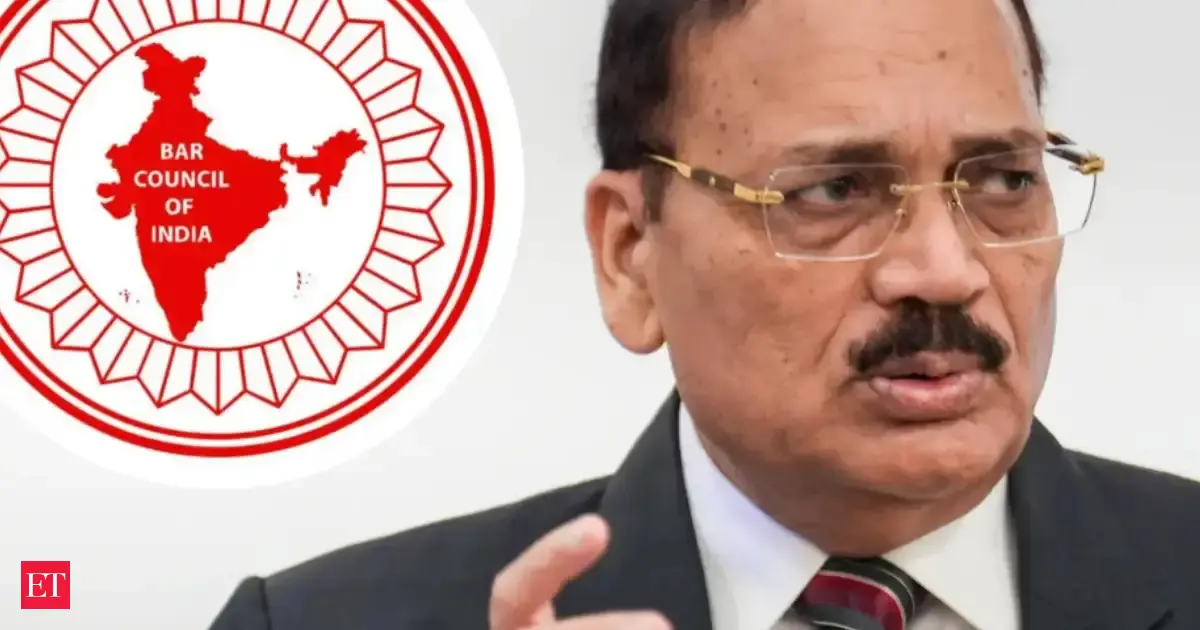
<p>In November 2025, the legal education landscape in India was rocked when the Bar Council of India (BCI) issued a startling announcement that would soon become the flashpoint for a nationwide debate about the future of legal education. The <b>NALSAR controversy</b> began when BCI threatened to restrict enrollment eligibility for graduates of NALSAR University of Law, Hyderabad—one of India's most prestigious National Law Universities (NLUs). Within hours, thousands of students took to social media platforms, demanding clarity and action. This wasn't just about one institution—it became a symbol of deeper tensions simmering beneath India's legal education system for decades.</p>
<p><b>The stakes were enormous</b>. For nearly three decades, NALSAR has been among the top-tier destinations for aspiring lawyers, producing Supreme Court advocates, judges, and policy makers. When BCI questioned whether its graduates could automatically qualify for bar enrollment without additional scrutiny, it sent shockwaves through campuses across the country. More than 20,000 students enrolled in NLU programs nationwide suddenly found themselves uncertain about their futures.</p>
<p>This article unpacks the full scope of the NALSAR controversy, tracing its roots, analyzing the underlying conflicts, and exploring what it reveals about the urgent need for reform in Indian legal education.</p>
Advertisement
Loading partner content...
<h2>Understanding NALSAR: A Legacy of Excellence</h2>
<figure class="my-8 overflow-hidden rounded-3xl shadow-xl">
<img src="https://img.etimg.com/thumb/msid-133077501,width-1200,height-630,imgsize-163994,overlay-economictimes/articleshow.jpg" alt="NALSAR University of Law" class="w-full h-[400px] object-cover" />
</figure>
<p>Established in 1998, <b>NALSAR University of Law</b> holds a special place in India's legal history as one of the first National Law Schools established under the NLU model. Located in Hyderabad, Telangana, it quickly rose to prominence due to its rigorous academic standards, world-class faculty, and strong industry connections.</p>
<ul>
<li>NALSAR offers undergraduate (BA LLB), postgraduate (LLM), and doctoral (PhD) programs.</li>
<li>It consistently ranks among the top five law schools <a href="/article/first-ai-enabled-university-in-india-a-game-changer-for-higher-education" title="First AI-Enabled University in India — A Game Changer for Higher Education?" class="internal-link">in India a</a>ccording to NIRF rankings.</li>
<li>Admission is highly competitive, with over 100,000 applicants vying for fewer than 800 seats annually via CLAT.</li>
<li>Its alumni include prominent Supreme Court lawyers, judges, civil servants, and entrepreneurs.</li>
</ul>
Advertisement
Loading partner content...
<p>Beyond academics, NALSAR prides itself on fostering critical thinking, ethical reasoning, and practical skills development. Its moot court competitions, legal aid clinics, and international exchange programs have set benchmarks followed by other institutions.</p>
<h3>Why NALSAR Matters Beyond Rankings</h3>
<p>NALSAR represents more than just prestige—it embodies aspirations. Every year, lakhs of students prepare for CLAT with dreams of securing a seat here. These students often come from modest backgrounds but see legal education as a ladder out of disadvantage. auto=compress&cs=tinysrgb&dpr=2&h=650&w=940" alt="Bar Council of India building" class="w-full h-[400px] object-cover" />
</figure>
<p>The <b>Bar Council of India</b>, formed under the Advocates Act of 1961, serves as the regulatory body responsible for legal education and professional conduct in India.</p>
<p>It oversees everything from curriculum design to campus infrastructure requirements and maintains a list of recognized universities whose graduates can appear for the All India Bar Examination (AIBE).</p>
<p>BCI's authority stems from its power to grant or withdraw recognition. Institutions failing to meet prescribed norms risk losing their status, affecting thousands of students' career prospects overnight. In recent years, BCI has increasingly tightened compliance measures, citing concerns around quality degradation and lack of standardization across institutions.</p>
Advertisement
Loading partner content...
<h3>Accreditation Processes and Enforcement Mechanisms</h3>
<p>To maintain recognition, law schools must adhere to strict guidelines including:</p>
<ol>
<li>Minimum faculty-student ratios (1:10)</li>
<li>Mandatory practical training components</li>
<li>Infrastructure benchmarks like libraries, computer labs, and moot courts</li>
<li>Regular inspections and reporting requirements</li>
</ol>
<p>While these rules aim to uphold quality, critics argue they sometimes stifle <a href="/article/innovation-in-business-why-it-s-the-key-to-thriving-in-a-competitive-world" title="Innovation in Business: Why It’s the Key to Thriving in a Competitive World" class="internal-link">innovation</a> and create bureaucratic bottlenecks that hinder progress rather than promote excellence.</p>
<h2>The Core Issue Unpacked: Policy Dispute or Systemic Failure?</h2>
Advertisement
Loading partner content...
<figure class="my-8 overflow-hidden rounded-3xl shadow-xl">
<img src="https://images.pexels.com/photos/31582770/pexels-photo-31582770.jpeg?auto=compress&cs=tinysrgb&dpr=2&h=650&w=940" alt="Law students protesting" class="w-full h-[400px] object-cover" />
</figure>
<p>According to sources within BCI, the immediate trigger was the university’s alleged failure to comply with revised infrastructure norms introduced in 2024. Specifically, BCI cited deficiencies in library resources, insufficient practical training hours, and perceived gaps in faculty qualifications. However, many viewed this as part of a larger pattern—an ongoing tussle between institutional autonomy and centralized control.</p>
<blockquote>"This isn't really about NALSAR alone—it's about who gets to decide what constitutes quality legal education in India," said Dr. Priya Sharma, former Dean at NALSAR. "When regulators start micromanaging pedagogy, we lose sight of our core mission: preparing future lawyers."</blockquote>
Advertisement
Loading partner content...
<p>Students responded swiftly. Within days, campaigns like #SaveNALSAR trended nationwide. Petitions were filed in multiple high courts seeking urgent hearings. Student unions demanded transparency from both BCI and the university administration.</p>
<h3>Student Campaign Response and Public Support</h3>
<p>Organized largely through WhatsApp groups and Instagram stories, students mobilized support beyond campus boundaries:</p>
<ul>
<li>Alumni associations stepped forward to vouch for NALSAR’s legacy.</li>
<li>Law firms publicly expressed concern over potential disruptions to recruitment cycles.</li>
<li>Legal experts weighed in, questioning BCI’s timing and methodology.</li>
</ul>
<p>The campaign highlighted growing frustration among youth with opaque decision-making processes in public institutions.</p>
Advertisement
Loading partner content...
<h2>Historical Context: Past Conflicts and Patterns of Intervention</h2>
<figure class="my-8 overflow-hidden rounded-3xl shadow-xl">
<img src="https://images.pexels.com/photos/6198785/pexels-photo-6198785.jpeg?auto=compress&cs=tinysrgb&dpr=2&h=650&w=940" alt="Former BCI Chairpersons" class="w-full h-[400px] object-cover" />
</figure>
<p>This isn't the first time tensions have flared between NLUs and BCI. Similar disputes date back to at least 2010, when several newer NLUs faced temporary derecognition threats over infrastructure shortfalls. Then again in 2018, BCI clashed with NLU Delhi regarding changes to internship policies. Each episode exposed cracks in how regulatory oversight intersects with academic freedom.</p>
<p>Over the past decade, BCI has withdrawn recognition from over two dozen private law colleges, leaving countless students stranded mid-course. While intended to enforce discipline, such actions often lacked proportionality and due process—fueling resentment among stakeholders.</p>
Advertisement
Loading partner content...
<h3>Recurring Themes Across Controversies</h3>
<table border="1">
<tr><th>Year</th><th>Issue</th><th>Outcome</th></tr>
<tr><td>2010</td><td>Infrastructure Deficiencies (Multiple NLUs)</td><td>Temporary Suspension; Later Revoked After Compliance</td></tr>
<tr><td>2015</td><td>Faculty Shortage at NLU Jodhpur</td><td>Conditional Recognition Granted Post Review</td></tr>
<tr><td>2018</td><td>Internship Policy Changes at NLU Delhi</td><td>Policy Revised Following Dialogue</td></tr>
<tr><td>2020</td><td>Private College Derecognition Spree</td><td>Thousands Affected; Legal Challenges Filed</td></tr>
<tr><td>2023</td><td>New Curriculum Mandates Across Institutions</td><td>Delayed Implementation Due to Pushback</td></tr>
</table>
<p>These incidents underscore a recurring theme: reactive enforcement replacing collaborative governance—a dynamic now under intense scrutiny following the NALSAR controversy.</p>
<h2>Broad Implications: Quality Standards vs. Practical Realities</h2>
<figure class="my-8 overflow-hidden rounded-3xl shadow-xl">
<img src="https://images.pexels.com/photos/8197558/pexels-photo-8197558.jpeg?auto=compress&cs=tinysrgb&dpr=2&h=650&w=940" alt="Classroom lecture hall" class="w-full h-[400px] object-cover" />
</figure>
Advertisement
Loading partner content...
<p>At its heart, the NALSAR controversy reflects broader systemic challenges plaguing Indian legal education:</p>
<ul>
<li><b>Quality Standards:</b> Despite lofty ambitions, many institutes struggle with outdated curricula, uneven teaching quality, and limited exposure to real-world practice.</li>
<li><b>Faculty Qualifications:</b> Recruitment freezes and salary disparities deter talented academics, leading to brain drain toward better-paying <a href="/article/corporate-culture-development-strategies-building-a-thriving-organizational-ecosystem" title="Corporate Culture Development Strategies: Building a Thriving Organizational Ecosystem" class="internal-link">corporate</a> roles.</li>
<li><b>Infrastructure Requirements:</b> Many older campuses lack modern facilities despite producing excellent outcomes—an imbalance regulators must address carefully.</li>
<li><b>Practical Skills Gap:</b> Students graduate knowing theory but unprepared for courtroom realities—an issue BCI aims to correct through stricter norms.</li>
</ul>
<p>"We want our lawyers trained not just in books but in problem-solving," noted Justice R.K. Agarwal, former BCI member. "But imposing blanket rules without context may do more harm than good."</p>
<h3>Academic Training vs. Professional Readiness</h3>
Advertisement
Loading partner content...
<p>Despite high rankings, NALSAR—like several top NLUs—has faced criticism for producing graduates who excel theoretically but falter professionally. Critics point to low pass rates in AIBE and poor performance in entry-level interviews conducted by law firms.</p>
<p>However, defenders counter that these metrics ignore broader contributions made by NLUs in shaping public discourse, judicial appointments, and policy formulation. Balancing academic rigor with vocational readiness remains a delicate task—one where regulation should guide, not dictate.</p>
<h2>Student Perspective: Dreams Deferred, Futures Uncertain</h2>
<figure class="my-8 overflow-hidden rounded-3xl shadow-xl">
<img src="https://images.pexels.com/photos/7777686/pexels-photo-7777686.jpeg?auto=compress&cs=tinysrgb&dpr=2&h=650&w=940" alt="Young law student studying" class="w-full h-[400px] object-cover" />
</figure>
<p>For students directly impacted, uncertainty looms large. Final-year students feared delays in securing jobs or pursuing higher studies abroad. Those preparing for CLAT next year worried about choosing safe options versus aspirational ones.</p>
Advertisement
Loading partner content...
<p>"I chose NALSAR because I believed it offered the best pathway to becoming a lawyer," shared Ananya Reddy, a third-year student. "Now I'm considering alternatives—maybe even switching streams entirely. That feels like defeat."</p>
<h3>Alternative Pathways Being Explored</h3>
<p>In response to mounting anxiety, many <a href="/article/the-supreme-court-s-investigation-into-bci-chairmanship-s-impact-on-nalsar-students-a-deep-dive-into" title="The Supreme Court's Investigation into BCI Chairmanship's Impact on NALSAR Students: A Deep Dive into Institutional Authority, Legal Accountability, and Academic Freedom" class="internal-link">students a</a>re re-evaluating traditional routes:</p>
<ol>
<li>Exploring integrated courses combining law with technology or business.</li>
<li>Opting for dual degrees—LLB alongside MBA or MTech.</li>
<li>Considering foreign law schools with stronger global recognition.</li>
<li>Pursuing internships early to build portfolios independent of formal credentials.</li>
</ol>
<p>Such shifts signal evolving preferences shaped partly by regulatory instability—an unintended consequence of aggressive oversight.</p>
Advertisement
Loading partner content...
<h2>Expert Opinions and Reactions: Voices From the Field</h2>
<figure class="my-8 overflow-hidden rounded-3xl shadow-xl">
<img src="https://dims.apnews.com/dims4/default/98590b6/2147483647/strip/true/crop/3000x1999+0+1/resize/980x653!/quality/90/?url=https%3A%2F%2Fassets.apnews.com%2Fb6%2Fc4%2F672e44204a3e9a3c1cdab255f4e4%2Fxbj101-alternative.jpg" alt="Legal education experts in India" class="w-full h-[400px] object-cover" />
</figure>
<p>Reactions poured in from various quarters:</p>
<blockquote>"Regulation shouldn’t stifle creativity—we need dialogue-based reforms instead of punitive measures," observed Prof. Amit Desai, Director at NLU Ahmedabad.</blockquote>
Advertisement
Loading partner content...
<blockquote>"If we let elite institutions bypass rules, we undermine meritocracy itself," argued Ms. Meera Patel, Senior Counsel at Supreme Court.</blockquote>
<p>Some former BCI officials admitted to internal disagreements over approach, while others defended the council’s stance as necessary to restore accountability. Meanwhile, several MPs raised the matter in Parliament, urging for constructive engagement between regulators and educators.</p>
<h3>Practitioners Weigh In</h3>
<p>Law firm partners noted hiring disruptions, especially during summer associate recruitment seasons. Corporate legal departments echoed similar concerns, emphasizing reliance on consistent talent pipelines from top-tier institutions.</p>
<p>Conversely, grassroots practitioners welcomed calls for greater emphasis on hands-on experience, suggesting reforms align closely with ground-level demands.</p>
Advertisement
Loading partner content...
<h2>International Comparisons: Lessons for India?</h2>
<figure class="my-8 overflow-hidden rounded-3xl shadow-xl">
<img src="https://images.pexels.com/photos/35427325/pexels-photo-35427325.jpeg?auto=compress&cs=tinysrgb&dpr=2&h=650&w=940" alt="University campus international" class="w-full h-[400px] object-cover" />
</figure>
<p>Countries like the United States, United Kingdom, and Australia employ decentralized models for accrediting law schools:</p>
<ul>
<li><b>USA:</b> State bar associations regulate local licensing; ABA provides voluntary accreditation.</li>
<li><b>UK:</b> Solicitors Regulation Authority sets standards; universities self-assess against criteria.</li>
<li><b>Australia:</b> Legal Admissions Board works closely with universities on curriculum alignment.</li>
</ul>
<p>These frameworks balance flexibility with consistency—an approach India might consider adapting to reduce friction between innovation and compliance.</p>
Advertisement
Loading partner content...
<h2>Future Outlook: Toward Reform Without Chaos</h2>
<figure class="my-8 overflow-hidden rounded-3xl shadow-xl">
<img src="https://images.pexels.com/photos/31016139/pexels-photo-31016139.jpeg?auto=compress&cs=tinysrgb&dpr=2&h=650&w=940" alt="Futuristic classroom setup" class="w-full h-[400px] object-cover" />
</figure>
<p>The NALSAR controversy has catalyzed long-overdue conversations about reimagining Indian legal education. Key areas needing attention include:</p>
<ul>
<li><b>Transparent Communication Channels:</b> Regular consultations between BCI and institutions before implementing new policies.</li>
<li><b>Context-Sensitive Norms:</b> Differentiated expectations based on institutional type and regional context.</li>
<li><b>Incentivizing Innovation:</b> Recognizing pioneering practices rather than penalizing deviation from norms.</li>
<li><b>Student-Centric Governance:</b> Including student voices in regulatory discussions impacting their futures.</li>
</ul>
Advertisement
Loading partner content...
<p>Ultimately, sustainable change requires mutual respect, shared goals, and adaptive strategies. The question isn’t whether regulation plays a role—but how effectively it empowers rather than obstructs progress.</p>
<h3>What Lies Ahead for Aspiring Lawyers?</h3>
<p>Aspiring lawyers entering the field today face a transformed landscape—one where adaptability, interdisciplinary knowledge, and resilience matter as much as academic excellence. Whether navigating shifting regulations or leveraging digital tools, success will depend less on institutional brand and more on personal drive and continuous learning.</p>
<p>As policymakers, educators, and students continue dialogues sparked by the NALSAR controversy, there lies an opportunity—not merely to resolve a dispute—but to reshape India’s legal education ecosystem for generations to come.</p></b></b></b></p></i></i></i></i></i></i></i></i></i>