<h1>The Quiet Revolution: How Student Protests Are Reshaping India's Education Landscape—and What That Means for You</h1>
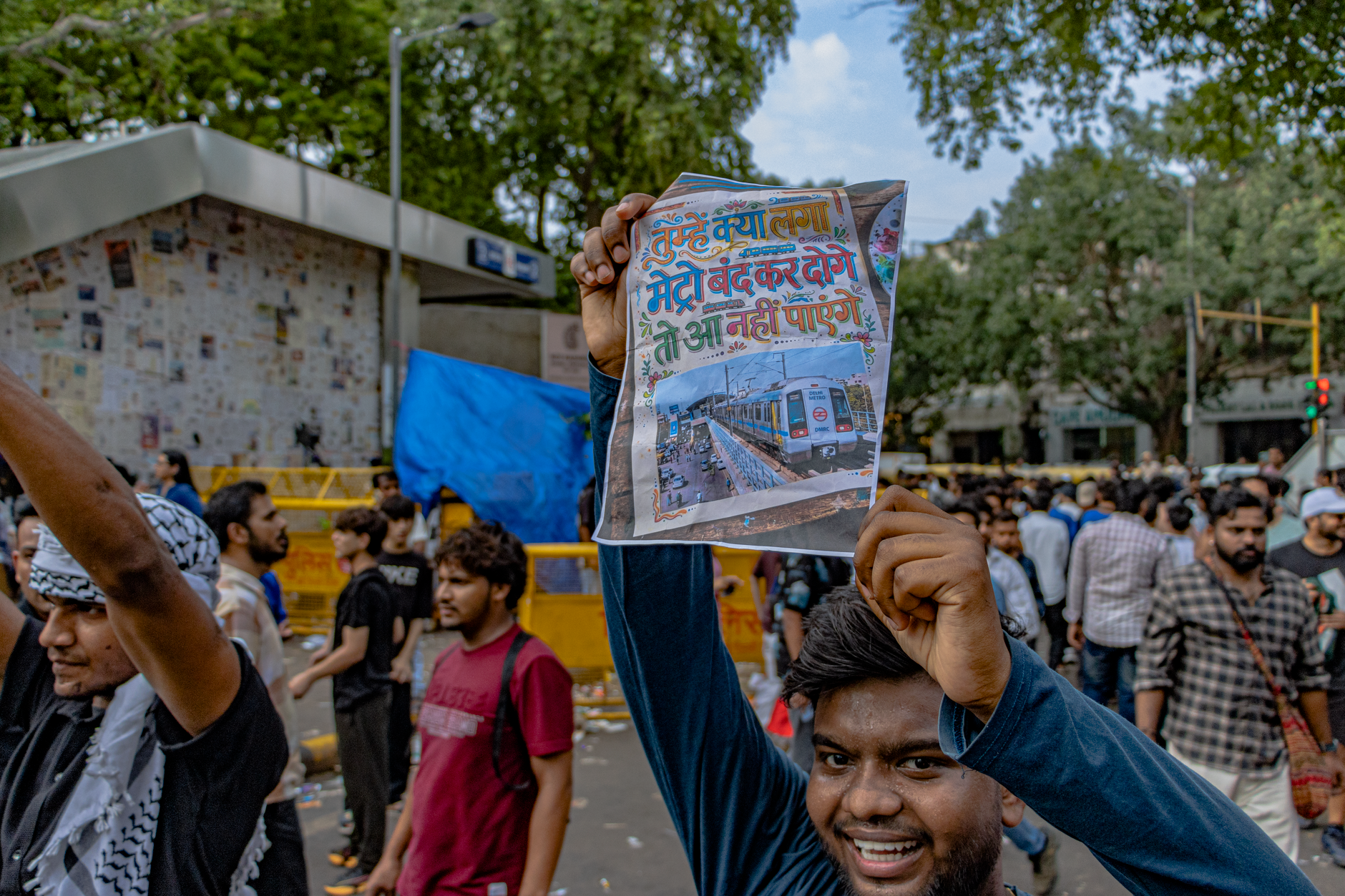
<p>In the summer of 2023, thousands of students across Bihar found themselves on their feet—not just protesting, but orchestrating a quiet revolution that sent ripples through India's corridors of power. Picture this: young adults, armed with nothing more than smartphones, banners, and unyielding determination, challenging a state government’s authority. Their demands? Affordable education, better infrastructure, and accountability.</p>
<p>Within weeks, the government withdrew FIRs (First Information Reports), a rare concession that signaled a turning point in student activism. This is no longer just about campus grievances; it’s about <a href="/article/how-the-blanket-telegram-ban-is-reshaping-social-media-legal-battles-user-impact-and-the-future-of-m" title="How the Blanket Telegram Ban is Reshaping Social Media: Legal Battles, User Impact, and the Future of Messaging Apps" class="internal-link">the future of</a> India’s education system—and how <a href="/article/why-jharkhand-students-are-protesting-a-deep-dive-into-education-rights-government-response-and-the-" title="Why Jharkhand Students Are Protesting: A Deep Dive into Education Rights, Government Response, and the Role of Public Figures like Rahul Gandhi" class="internal-link">students are</a> rewriting its rules.</p>
<h2>Historical Background: From Campus Uprisings to Digital Resistance</h2>
<p>To understand today’s student movements, we must look back at India’s turbulent history of youth-led activism. The 1960s and 1970s laid the groundwork with protests like the 1968 Jadavpur University demonstrations against censorship and the 1970s student strikes demanding economic reforms. These movements emphasized ideological battles, from social justice to anti-corruption campaigns.</p>
Advertisement
Loading partner content...
<p>The 21st century, however, has witnessed a seismic shift in tactics. The 2016 Jawaharlal Nehru University (JNU) protests, sparked by allegations of sedition, marked a turning point. Students there used <a href="/article/social-media-algorithms-explained-how-they-shape-your-feed" title="Social Media Algorithms Explained: How They Shape Your Feed" class="internal-link">social media</a> to mobilize nationwide support, blending traditional activism with digital tools. Today, movements like the 2023 Bihar protests reflect this evolution: decentralized, tech-driven, and united by shared grievances rather than singular ideologies.</p>
<blockquote>
<i>“Student protests are no longer confined to university borders. They’re global conversations happening in real-time, amplified by algorithms and hashtags.”</i> — <b>Dr. Ananya Roy, Education Policy Expert</b>
</blockquote>
<h2>Legal Framework: Rights, Restrictions, and the FIR Dilemma</h2>
<p>India’s legal landscape for protests is a tightrope walk between constitutional rights and state control. The Indian Constitution guarantees freedom of speech and assembly under Articles 19 and 21, but laws like the Indian Penal Code (IPC) Section 141 (unlawful assembly) and the 2023 Unlawful Activities Prevention Amendment Act often criminalize dissent. For students, FIRs are both a tool of suppression and a rallying point.</p>
Advertisement
Loading partner content...
<p>The Right to Education Act (2009) enshrines free and compulsory education for children aged 6–14, but older students face gaps in legal protection. Recent cases, like the 2022 Delhi University protests against fee hikes, show how students navigate this terrain. While some states offer dialogue, others resort to arrests or internet shutdowns—a tactic seen in parts of Bihar during the 2023 protests.</p>
<table>
<thead>
<tr>
<th>Law/Act</th>
<th>Key Provisions</th>
<th>Impact on Students</th>
</tr>
</thead>
<tbody>
<tr>
<td>Indian Penal Code (IPC)</td>
<td>Section 141: Unlawful assembly; Section 124A: Sedition</td>
<td>FIRs often filed for peaceful protests</td>
</tr>
<tr>
<td>Right to Education Act (2009)</td>
<td>Guarantees free education up to class 8</td>
<td>Limited scope <a href="/article/first-ai-enabled-university-in-india-a-game-changer-for-higher-education" title="First AI-Enabled University in India — A Game Changer for Higher Education?" class="internal-link">for higher education</a> rights</td>
</tr>
<tr>
<td>2023 UAPA Amendment</td>
<td>Expands definitions of “terrorist acts”</td>
<td>Increased risk of over-policing student gatherings</td>
</tr>
</tbody>
</table>
<h2>The Bihar Case Study: A Watershed Moment</h2>
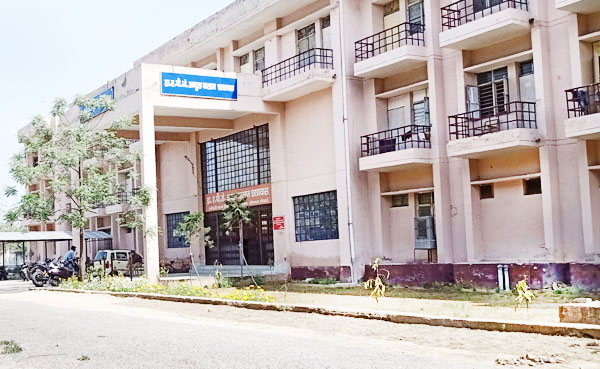
<p>In early 2023, students at Bihar’s colleges and universities erupted in protest over soaring fees, dilapidated hostels, and a lack of scholarships. At Patna University, a demonstration turned violent when police lathi-charged demonstrators. Within hours, over 500 students faced FIRs under IPC Sections 141 and 323 (voluntarily causing hurt).</p>
<p>But the tide turned when student leaders presented a 12-point charter demanding fee rollbacks, infrastructure upgrades, and transparent allocation of government funds. Under mounting pressure, including a week-long campus sit-in and viral social media campaigns, the state government retreated. By March 2023, Chief Minister Nitish Kumar announced the withdrawal of all FIRs and a ₹500 crore allocation for educational infrastructure.</p>
Advertisement
Loading partner content...
<p>“This wasn’t just a protest; it was a blueprint for resistance,” says Priya, a final-year sociology student at Patna University. “We documented every step—videos, testimonies, even police misconduct. That data became our shield.”</p>
<h2>Impact on Policy: Concrete Changes Sparked by Student Voices</h2>
<p>The Bihar protests catalyzed tangible shifts in India’s education policy. In 2024, the state launched the “Vidya Lakshmi Initiative,” offering fee subsidies to 50,000 economically disadvantaged students. Similarly, Tamil Nadu introduced a scholarship scheme for engineering and medical aspirants after 2022 protests.</p>
<p>At the national level, the 2025 Education Commission recommended revising the UDAY Act to include higher education, ensuring students can challenge fee hikes legally. Meanwhile, protests in Maharashtra led to the establishment of student grievance redressal committees in universities—a first in the state’s history.</p>
<p>According to a 2025 report by the National Student Union of India (NSUI), 68% of universities now have formal protest policies, up from 32% in 2020. This marks a seismic shift toward institutional dialogue over repression.</p_value>
Advertisement
Loading partner content...
<h2>Lessons for Students: Organizing, Staying Safe, and Leveraging Media</h2>
<p>Student activism demands strategy, resilience, and smart use of tools. Here’s how to navigate the terrain:</p>
<ul>
<li><b>Build Coalitions:</b> Collaborate with faculty unions, alumni networks, and NGOs. During the Bihar protests, partnerships with environmental groups amplified their message.</li>
<li><b>Document Everything:</b> Use apps like Signal and WhatsApp to share real-time updates. Priya’s team created a Telegram channel with 12,000 followers, ensuring their message reached beyond campus.</li>
<li><b>Leverage Legal Aid:</b> NGOs like the Lawyers Collective offer free counsel to protesting students. Know your rights under Section 19 of the Education Policy.</li>
<li><b>Use Visual Storytelling:</b> Infographics and short videos (under 60 seconds) outperform long-form posts. The Bihar protests’ viral video of a student being dragged by police garnered 5 million views in 48 hours.</li>
</ul>
Advertisement
Loading partner content...
<h2>Future Outlook: Trends, Challenges, and Student Agency</h2>
<p>As we look ahead to 2026 and beyond, several trends will shape student activism:</p>
<ol>
<li><b>Digital-First Movements:</b> With 80% of Indian students using TikTok and Instagram for news (2025 survey), platforms will remain critical for organizing. However, AI-driven misinformation poses new risks.</li>
<li><b>Climate and Tech Issues:</b> Protests will increasingly focus on sustainability (e.g., banning single-use plastics on campuses) and AI ethics in education.</li>
<li><b>Legal Reforms:</b> The proposed Student Rights Amendment Act 2026 aims to decriminalize protests, but its success depends on political will.</li>
<li><b>Global Alliances:</b> Cross-border student networks, like the 2025 Indo-UK education justice pact, will amplify demands for equitable policies.</li>
</ol>
<p>Yet challenges loom. Governments may weaponize laws like the 2023 UAPA to stifle dissent. Students must balance online activism with offline safety measures, such as encrypted communication and legal preparedness.</p>
Advertisement
Loading partner content...
<h2>Conclusion: The Students Who Rewrite History</h2>
<p>The Bihar protests are more than a historical footnote—they’re a testament to <a href="/article/unlocking-the-power-of-social-media-marketing-tactics" title="Unlocking the Power of Social Media Marketing Tactics" class="internal-link">the power of</a> youth voice in shaping India’s future. From campuses to Parliament, students are no longer passive recipients of policy; they’re architects of change. As one protester in Patna declared, “We didn’t just demand seats in classrooms—we demanded seats at the decision-making table.”</p>
<p>The revolution isn’t quiet anymore. It’s loud, it’s digital, and it’s here to stay. Whether you’re a student, educator, or policymaker, the time to act is now—because the future of education belongs to those bold enough to fight for it.</p>
<figure class="my-8 overflow-hidden rounded-3xl shadow-xl">
<img src="https://images.pexels.com/photos/32347985/pexels-photo-32347985.jpeg?auto=compress&cs=tinysrgb&dpr=2&h=650&w=940" alt="student protests, education activism" class="w-full h-[400px] object-cover" />
</figure>
Advertisement
Loading partner content...
<figure class="my-8 overflow-hidden rounded-3xl shadow-xl">
<img src="https://images.pexels.com/photos/37410975/pexels-photo-37410975.jpeg?auto=compress&cs=tinysrgb&dpr=2&h=650&w=940" alt="Priya Patna University student" class="w-full h-[400px] object-cover" />
</figure>
<figure class="my-8 overflow-hidden rounded-3xl shadow-xl">
<img src="https://static.toiimg.com/photo/msid-47529300/47529300.jpg" alt="Bihar Education Infrastructure" class="w-full h-[400px] object-cover" />
</figure>
<figure class="my-8 overflow-hidden rounded-3xl shadow-xl">
<img src="https://images.pexels.com/photos/67112/pexels-photo-67112.jpeg?auto=compress&cs=tinysrgb&dpr=2&h=650&w=940" alt="digital activism tools" class="w-full h-[400px] object-cover" />
</figure></b></p></i></i></i></i>