
<h1>Twisha Sharma <a href="/article/beyond-the-headlines-a-comprehensive-guide-to-india-s-dowry-death-laws-high-profile-cases-and-how-th" title="Beyond the Headlines: A Comprehensive Guide to India’s Dowry Death Laws, High‑Profile Cases, and How They Shape Society" class="internal-link">Dowry Death</a> Case: The Fight for Justice and India's Persistent Dowry Crisis</h1>
<p>The tragic death of <b>Twisha Sharma</b> in Bhopal has reignited national conversation about dowry-related violence <a href="/article/how-the-blanket-telegram-ban-is-reshaping-social-media-legal-battles-user-impact-and-the-future-of-m" title="How the Blanket Telegram Ban is Reshaping Social Media: Legal Battles, User Impact, and the Future of Messaging Apps" class="internal-link">and the</a> adequacy of India's legal safeguards. While the case has moved through courts and media scrutiny, it also underscores the urgent need for forensic rigor, judicial empathy, and societal reform. This article delves into the background of the case, the court's controversial denial of a second autopsy, the forensic implications, and the broader dowry death crisis that continues to claim lives across the country.</p>
<h2>1. The Case Background and Timeline of Events</h2>
<p>Twisha Sharma, a 24‑year‑old resident of Bhopal, entered matrimony in 2021 after a brief courtship. According to family sources, her parents fulfilled the groom's demands with a substantial dowry that included gold, household appliances, and cash. However, reports emerging after the marriage indicated escalating harassment, financial pressure, and repeated demands for additional gifts.</p>
<p>The timeline unfolded as follows:</p>
<ul>
<li><b>January 2022:</b> Twisha’s health began to deteriorate; she reported severe abdominal pain and was admitted to a private hospital.</li>
<li><b>February 2022:</b> Medical examinations suggested internal injuries, but doctors initially attributed the symptoms to gastroenteritis.</li>
<li><b>March 2022:</b> Twisha was transferred to a government medical center where surgeons performed an emergency operation.</li>
<li><b>April 2022:</b> Despite surgical intervention, Twisha’s condition worsened, and she was placed on ventilatory support.</li>
<li><b>May 2022:</b> After a month-long battle, Twisha succumbed to her injuries. The death certificate listed “multiple organ failure” as the cause, without explicit mention of foul play.</li>
<li><b>June 2022:</b> The family filed a First Information Report (FIR) under Section 304B of the Indian Penal Code (IPC), alleging dowry harassment and murder.</li>
<li><b>July 2022:</b> The case was transferred to the Bhopal Crime Branch for detailed investigation.</li>
</ul>
<p>Each of these milestones reflects a pattern where legal and medical systems intersect, often leaving families to navigate bureaucratic inertia while seeking accountability.</p>
<h3>Early Life and Marriage</h3>
<p>Twisha hailed from a middle‑class family that valued education and cultural traditions. Friends described her as ambitious, with aspirations of a career in journalism. Her marriage was initially celebrated with hopes of a partnership built on mutual respect. Yet, as is common in many dowry‑driven unions, the bride’s family faced relentless demands that gradually transformed the marital relationship into a pressure cooker.</p>
Advertisement
Loading partner content...
<h2>2. The Legal Battle – The Parents’ Application for a Second Autopsy and the Bhopal Court’s Reasoning for Denial</h2>
<p>Following Twisha’s death, her parents approached the Bhopal District Court seeking permission to conduct a second autopsy. Their request aimed to obtain an independent forensic assessment that could clarify whether the initial surgical procedures had concealed evidence of foul play. The court, however, denied the petition, citing several reasons:</p>
<ol>
<li>Preservation of the original post‑mortem sample, which the court claimed was already exhausted.</li>
<li>Concern that a second autopsy could cause unnecessary distress to the family and reopen wounds.</li>
<li>Belief that the initial autopsy, conducted by a government hospital, adhered to standard protocols.</li>
</ol>
<p>In its order, the court emphasized procedural efficiency over the potential investigative value of a fresh examination. This decision sparked outrage among legal scholars and women’s rights advocates, who argued that denying a second autopsy undermines the very purpose of forensic science in delivering justice.</p>
<blockquote>
<p>“When a death is suspected to be linked to dowry harassment, the forensic lens must be uncompromising. A second autopsy can reveal critical clues that the first may have missed, especially in cases where internal injuries are subtle.” – <b>Dr. Meera Joshi, Forensic Pathologist</b></p>
</blockquote>
<h2>3. What a Second Autopsy Would Have Meant – Forensic Importance in Dowry Death Cases</h2>
<p>A second autopsy <a href="/article/why-india-s-middle-class-is-more-stressed-than-ever" title="Why India’s Middle Class Is More Stressed Than Ever" class="internal-link">is more</a> than a procedural formality; it serves as a vital safeguard in dowry death investigations. The forensic community highlights several key benefits:</p>
<ul>
<li><b>Detection of Microscopic Injuries:</b> Some internal lesions are only visible under advanced microscopy, which a repeat examination can capture.</li>
<li><b>Re‑evaluation of Toxicology Reports:</b> New testing methods may identify substances that were previously undetectable.</li>
<li><b>Clarification of Causation:</b> A fresh perspective can differentiate between natural causes, accidental trauma, and homicidal assault.</li>
<li><b>Strengthening Legal Evidence:</b> An independent forensic report can bolster prosecutorial confidence and improve conviction rates.</li>
</ul>
<p>In dowry death cases, where perpetrators often exploit ambiguities, such forensic clarity is indispensable. The denial of this opportunity in Twisha’s case raises concerns about the adequacy of investigative rigor.</p>
Advertisement
Loading partner content...
<h2>4. India's Dowry Death Statistics and the Persistent Crisis</h2>
<p>Dowry‑related fatalities remain a stark reality <a href="/article/mastering-social-media-strategy-in-india-a-comprehensive-guide" title="Mastering Social Media Strategy in India: A Comprehensive Guide" class="internal-link">in India</a>. According to the National Crime Records Bureau (NCRB), 7,648 dowry deaths were recorded in 2022, translating to an average of more than 20 deaths per day. While the number of reported cases has fluctuated, the underlying trend shows that dowry harassment continues to be a leading cause of premature mortality among married women.</p>
<table border="1" cellpadding="5" cellspacing="0">
<tr>
<th>Year</th>
<th>Dowry Deaths Reported</th>
<th>Percentage of Total Crimes Against Women</th>
</tr>
<tr>
<td>2018</td>
<td>7,123</td>
<td>14.2%</td>
</tr>
<tr>
<td>2019</td>
<td>7,468</td>
<td>13.9%</td>
</tr>
<tr>
<td>2020</td>
<td>7,321</td>
<td>13.5%</td>
</tr>
<tr>
<td>2021</td>
<td>7,560</td>
<td>14.0%</td>
</tr>
<tr>
<td>2022</td>
<td>7,648</td>
<td>14.1%</td>
</tr>
</table>
<p>These figures illustrate that despite legislative measures, the scourge persists, and each case—such as Twisha’s—represents a family’s shattered hope and a society’s unfinished commitment to gender justice.</p>
<h2>5. Legal Framework – Section 304B IPC and Section 113B Indian Evidence Act</h2>
<p>India’s legal arsenal against dowry violence comprises two pivotal provisions:</p>
<ol>
<li><b>Section 304B IPC:</b> This section defines dowry death as the murder of a woman within seven years of her marriage if the death is linked to dowry harassment. The penalty ranges from a minimum of seven years to life imprisonment.</li>
<li><b>Section 113B Indian Evidence Act:</b> This provision presumes that a woman’s death within seven years of marriage is a dowry death if the husband or his relatives subjected her to cruelty or harassment for dowry. The burden of proof shifts to the accused to disprove the presumption.</li>
</ol>
<p>These statutes were enacted to recognize dowry death as a distinct criminal offense and to simplify prosecutions. However, their effectiveness hinges on thorough investigation, transparent forensic evidence, and judicial willingness to prioritize women’s lives.</p>
<h2>6. The Significance of This Court Decision for Future Dowry Death Cases</h2>
<p>The Bhopal court’s refusal to permit a second autopsy carries far‑reaching implications:</p>
<ul>
<li><b>Precedent Setting:</b> It may embolden other courts to dismiss similar petitions, eroding the forensic toolkit available to investigators.</li>
<li><b>Victim Confidence:</b> Families may lose faith in the system’s ability to deliver justice, discouraging them from reporting abuse.</li>
<li><b>Prosecutorial Burden:</b> Without a robust autopsy report, prosecutors face an uphill battle proving intent, potentially leading to acquittals.</li>
<li><b>Policy Review:</b> The decision underscores the need for legislative clarification on when a second autopsy is permissible in dowry death investigations.</li>
</ul>
<p>Legal experts argue that the judiciary must balance procedural efficiency with the imperative of uncovering truth, especially in cases where lives are at stake.</p>
Advertisement
Loading partner content...
<h2>7. Voices from Advocacy Groups and What Needs to Change</h2>
<p>Women’s rights organizations have rallied around Twisha’s case, demanding systemic reforms. Key demands include:</p>
<ol>
<li>Establishing a statutory right for families to request a second autopsy in dowry death investigations.</li>
<li>Creating specialized forensic units dedicated to dowry‑related cases across all states.</li>
<li>Implementing mandatory training for police and medical officers on gender‑sensitive evidence collection.</li>
<li>Launching nationwide awareness campaigns that challenge dowry <a href="/article/social-norms-and-behavioral-change-how-culture-shapes-our-daily-choices-in-india" title="Social Norms and Behavioral Change: How Culture Shapes Our Daily Choices in India" class="internal-link">norms and</a> empower women to speak out.</li>
</ol>
<p>A prominent activist, <b>Anita Singh</b> of the <i>Justice for Women</i> coalition, remarked:</p>
<blockquote>
<p>“Every delay, every denial, chips away at the hope of survivors. We must ensure that forensic science is not a luxury but a guaranteed right for every victim of dowry violence.”</p>
</blockquote>
<p>These voices emphasize that justice cannot be achieved through legislation alone; it requires a coordinated effort spanning legal, medical, and social domains.</p>
<h2>8. Conclusion on the Fight for Justice</h2>
<p>The Twisha Sharma dowry death case encapsulates the painful intersection of personal tragedy, legal proceduralism, and societal injustice. While the Bhopal court’s denial of a second autopsy has sparked controversy, it also serves as a catalyst for broader scrutiny of how India addresses dowry‑related murders. The case reminds us that behind every statistic lies a human story—a young woman whose aspirations were cut short by relentless greed and inadequate safeguards.</p>
<p>For justice to transcend symbolic gestures, the nation must adopt a relentless forensic approach, fortify legal provisions, and nurture a cultural shift that rejects dowry in all its forms. Only then can India move closer to a reality where no daughter‑in‑law has to fear that her marriage will become a death sentence.</p>
<figure class="my-8 overflow-hidden rounded-3xl shadow-xl">
<img src="https://images.pexels.com/photos/7245030/pexels-photo-7245030.jpeg?auto=compress&cs=tinysrgb&dpr=2&h=650&w=940" alt="dowry death India" class="w-full h-[400px] object-cover" />
</figure>
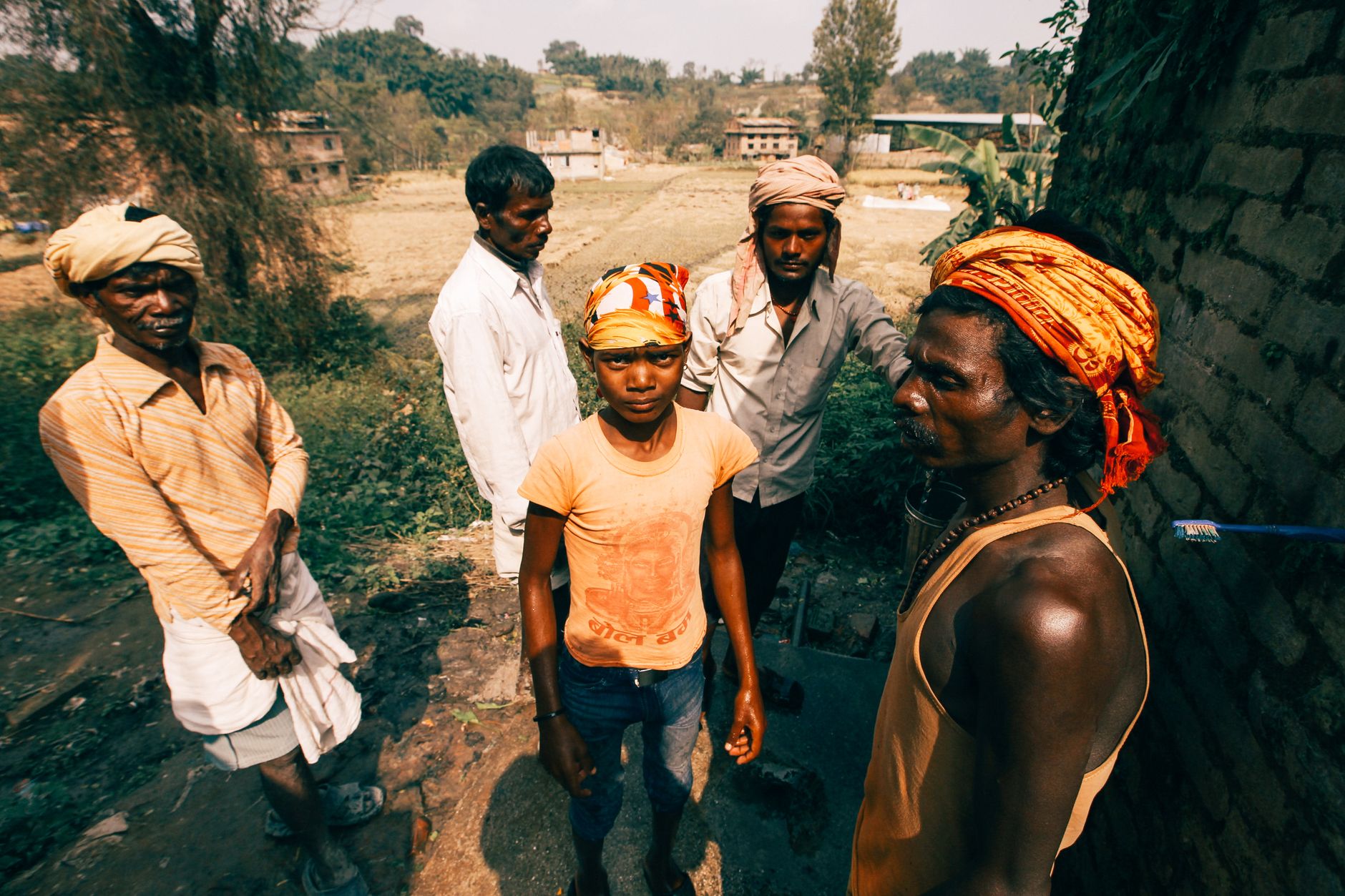
<p>Visual representations can help readers grasp the magnitude of the issue.</p>
<figure class="my-8 overflow-hidden rounded-3xl shadow-xl">
<img src="https://images.pexels.com/photos/7232020/pexels-photo-7232020.jpeg?auto=compress&cs=tinysrgb&dpr=2&h=650&w=940" alt="women safety India" class="w-full h-[400px] object-cover" />
</figure>
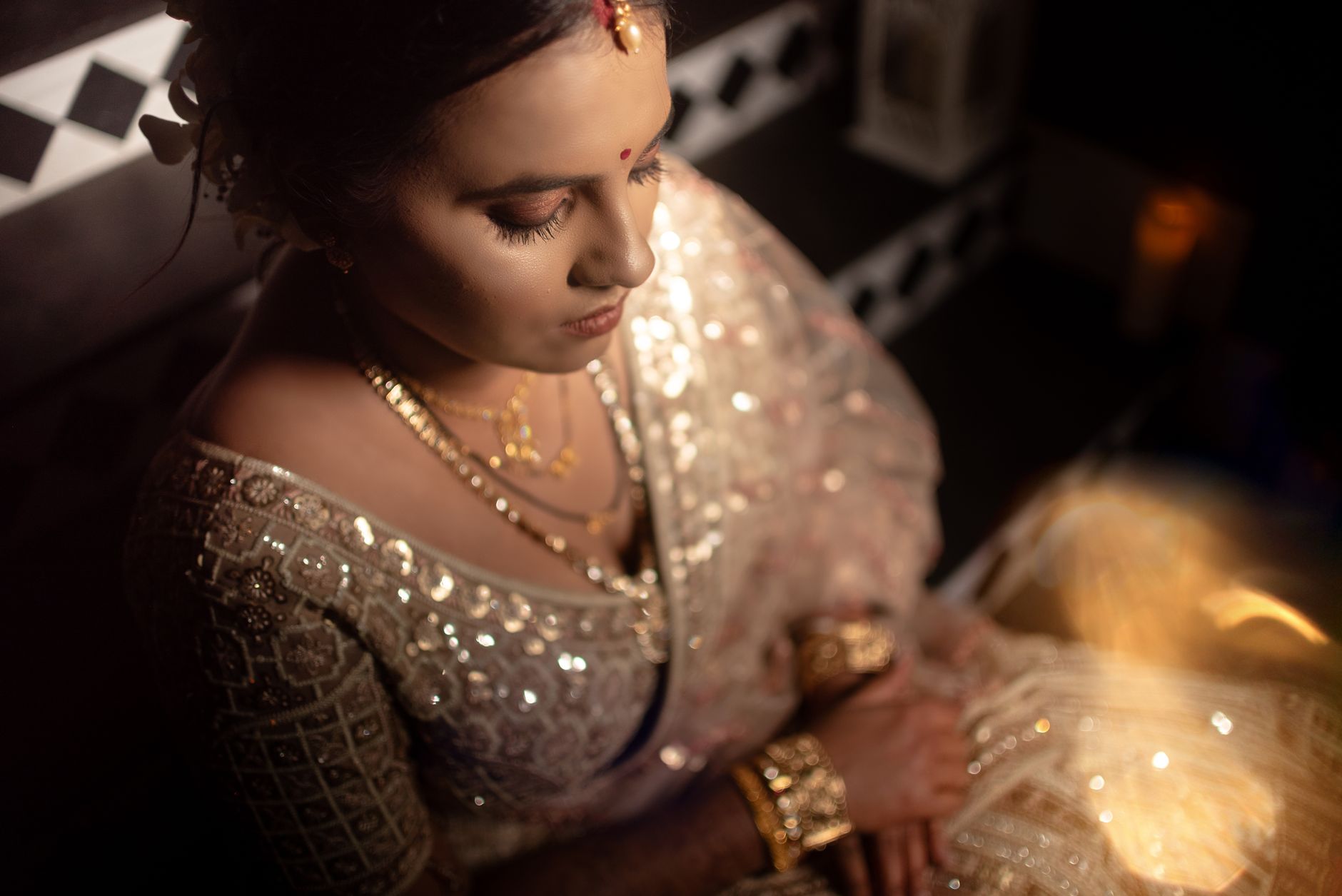
<p>These images illustrate the societal context.</p>
<figure class="my-8 overflow-hidden rounded-3xl shadow-xl">
<img src="https://images.pexels.com/photos/10481324/pexels-photo-10481324.jpeg?auto=compress&cs=tinysrgb&dpr=2&h=650&w=940" alt="forensic autopsy importance" class="w-full h-[400px] object-cover" />
</figure>
<p>They underscore the scientific dimension.</p>
<figure class="my-8 overflow-hidden rounded-3xl shadow-xl">
<img src="https://media3.giphy.com/media/v1.Y2lkPTlkZTM3ZjIwcGlqdjVsNnZvdjBzbWJtMjN3NDExZ2liZ29oZTNlaW43MnJpendpMSZlcD12MV9naWZzX3NlYXJjaCZjdD1n/hvdYc1HzmbD16k4B1T/giphy.gif" alt="justice" class="w-full h-[400px] object-cover" />
</figure>
<p>A symbolic illustration of hope and perseverance.</p></b></b></i></i></i></i>