
<h1>Why Indian <a href="/article/why-jharkhand-students-are-protesting-a-deep-dive-into-education-rights-government-response-and-the-" title="Why Jharkhand Students Are Protesting: A Deep Dive into Education Rights, Government Response, and the Role of Public Figures like Rahul Gandhi" class="internal-link">Students Are</a> Taking to the Streets: <a href="/article/mastering-social-media-strategy-in-india-a-comprehensive-guide" title="Mastering Social Media Strategy in India: A Comprehensive Guide" class="internal-link">A Comprehensive Guide</a> to Student Activism, Causes, and Impact</h1>
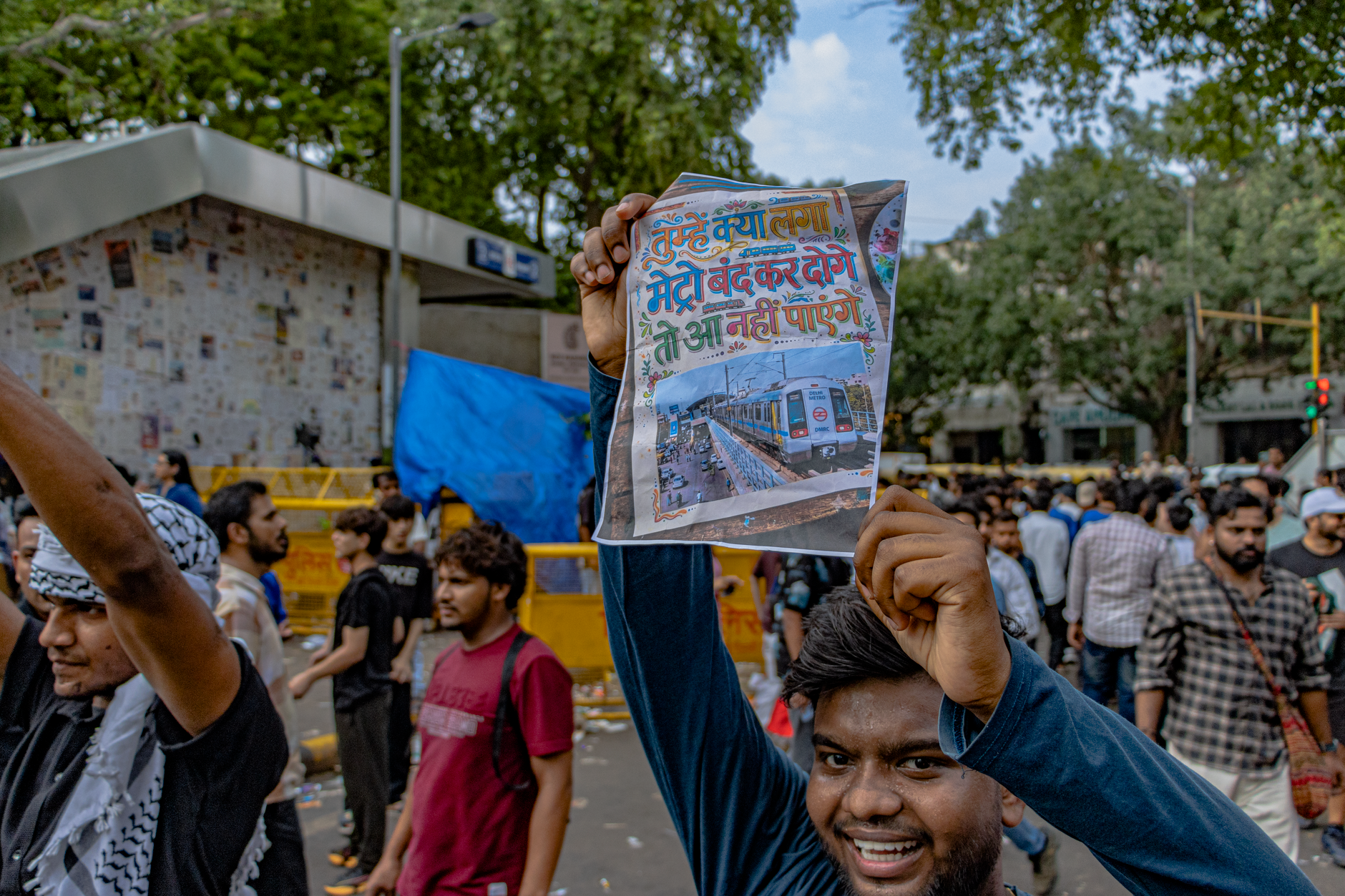
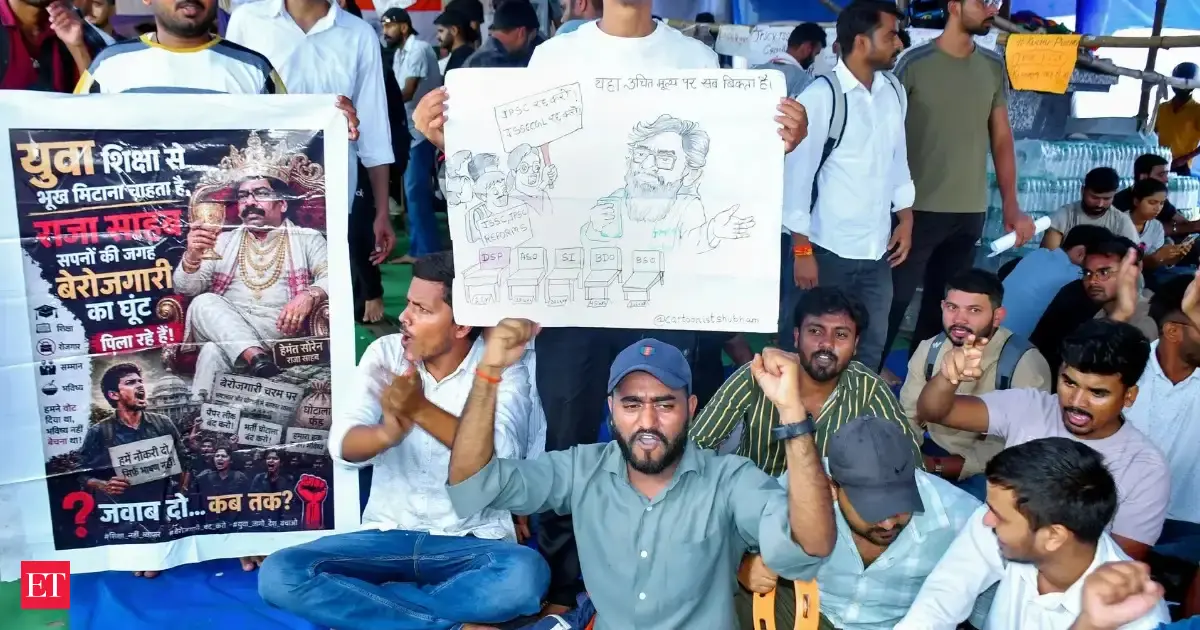
<p>In the sweltering March heat of 2026, <b>over 3,000 students from Ranchi University and other colleges in Jharkhand</b> marched toward the state Assembly, their voices echoing against the marble facades of power. Within hours, tear gas canisters had been fired, water cannons had drenched their banners, and live streams of the confrontation had reached over <b>2.5 million viewers</b> across India. This was not just another protest—it was a defining moment in the resurgence of <b>student activism</b> in modern India.</p>
<p>From the dusty lanes of Patna to the corridors of Parliament, <b>students are no longer silent observers</b> in the democratic process. They are demanding accountability, justice, and a seat at the policy table. Whether it's through mass walkouts, viral hashtags, or candlelight marches, <b>student protests India</b> has become a familiar refrain—one that policymakers can no longer afford to ignore.</p>
<p>This comprehensive guide explores the rise of <b>student activism</b>, its roots in history, its evolution in the digital age, and its growing influence on Indian democracy. We begin with a look at how student movements have shaped the nation’s trajectory—and why they continue to do so today.</p>
Advertisement
Loading partner content...
<h2>Historical Roots of Student Activism in India</h2>
<p>Student activism in India is not new—it is deeply woven into the fabric of the country’s struggle for independence and its ongoing fight for equity. From college campuses to city streets, students have long served as catalysts for social and political change.</p>
<h3>Early Movements and the Freedom Struggle</h3>
<p>In the early 20th century, student unions played a pivotal role in mobilizing youth during the independence movement. The <b>All India Students' Federation (AISF)</b>, founded in 1936, became a platform for organizing protests against colonial rule. Students participated in the Quit India Movement of 1942, often facing arrests and expulsion from universities for their defiance.</p>
<p><b>Key figures like Ram Manohar Lohia and Jayaprakash Narayan</b> inspired generations of young leaders to see education not just as personal advancement, but as a tool for collective liberation.</p>
Advertisement
Loading partner content...
<h3>Post-Independence Milestones</h3>
<p>After independence, student activism continued to evolve. The <b>1977 Anti-Emergency protests</b> saw university students leading candlelight marches and hunger strikes against Prime Minister Indira Gandhi’s authoritarian rule. These movements laid the groundwork for future civic engagement.</p>
<p>In the 1990s, students protested against tuition fee hikes and privatization policies. The <b>2015 Anti-Reservation protests</b> sparked widespread controversy, highlighting tensions around meritocracy and affirmative action. More recently, the <b>2019–2020 student movements</b>—particularly those opposing the Citizenship Amendment Act—demonstrated <a href="/article/unlocking-the-power-of-social-media-marketing-tactics" title="Unlocking the Power of Social Media Marketing Tactics" class="internal-link">the power of</a> coordinated, pan-India resistance.</p>
<h3>Impact on Legislation and Public Discourse</h3>
<p>These movements have left lasting impacts. The <b>Right to Education Act (2009)</b> was influenced by sustained student advocacy. Similarly, several states introduced <b>student welfare schemes</b> and revised scholarship programs following public pressure. Student voices have also reshaped public discourse around gender equality, caste-based discrimination, and campus safety.</p>
Advertisement
Loading partner content...
<blockquote><p><b>"Students have always been the conscience of the nation,"</b> said veteran activist Medha Patkar during a 2026 rally in Delhi. <b>"They speak truth to power because they have nothing to lose but their chains."</b></p></blockquote>
<figure class="my-8 overflow-hidden rounded-3xl shadow-xl">
<img src="https://media.springernature.com/m685/springer-static/image/art%3A10.1038%2Fs41586-026-10739-6/MediaObjects/41586_2026_10739_Fig1_HTML.png" alt="All India Students Federation" class="w-full h-[400px] object-cover" />
</figure>
<h2>The Jharkhand Protest: A Case Study</h2>
<p>The <b>Jharkhand protest</b> began on March 14, 2026, when students at Ranchi University staged a walkout during a seminar on “Campus Governance.” What started as a symbolic gesture quickly escalated into one of the largest youth-led demonstrations in the state’s recent history.</p>
<h3>Timeline of Events</h3>
Advertisement
Loading partner content...
<ul>
<li><b>March 14:</b> Students walk out of university event; demand transparency in fee structure.</li>
<li><b>March 16:</b> Protesters march to Assembly; police deploy tear gas and water cannons.</li>
<li><b>March 18:</b> Live streams go viral; hashtag #JharkhandStudents trends nationally.</li>
<li><b>March 22:</b> State government announces inquiry committee; students refuse to negotiate until demands are met.</li>
<li><b>April 5:</b> Partial rollback on proposed fee hike announced; movement enters second phase focusing on scholarships.</li>
</ul>
<h3>Main Demands</h3>
<p>The students presented a clear set of demands:</p>
<ol>
<li><b>Education Reforms:</b> Reduction in tuition fees and improved infrastructure.</li>
<li><b>Scholarship Schemes:</b> Expansion of need-based financial aid for marginalized communities.</li>
<li><b>Campus Safety:</b> Installation of CCTV cameras and stricter anti-harassment protocols.</li>
<li><b>Political Representation:</b> Reservation of seats for student representatives in university senates.</li>
</ol>
Advertisement
Loading partner content...
<h3>Key Players</h3>
<p>Among the student leaders were <b>Anjali Hansda</b>, a tribal student leader from a remote village in Simdega, and <b>Rahul Mehta</b>, a law student from Delhi who moved to Ranchi to support the cause. On the government side, <b>Education Minister Ashok Prasad</b> addressed the press multiple times, calling for “constructive dialogue.”</p>
<p>However, many students criticized the response as dismissive. <b>"We’re not asking for favors—we’re asking for our rights,"</b> said Hansda in a widely shared interview.</p>
<figure class="my-8 overflow-hidden rounded-3xl shadow-xl">
<img src="https://images.pexels.com/photos/4677603/pexels-photo-4677603.jpeg?auto=compress&cs=tinysrgb&dpr=2&h=650&w=940" alt="Jharkhand student protest live coverage" class="w-full h-[400px] object-cover" />
</figure>
<h3>Turbocharged by Technology</h3>
Advertisement
Loading partner content...
<p>Unlike earlier movements, the Jharkhand protest was amplified by <b><a href="/article/how-the-blanket-telegram-ban-is-reshaping-social-media-legal-battles-user-impact-and-the-future-of-m" title="How the Blanket Telegram Ban is Reshaping Social Media: Legal Battles, User Impact, and the Future of Messaging Apps" class="internal-link">social media</a> platforms</b>. Real-time updates were posted via WhatsApp groups, Instagram stories, and YouTube live streams. The hashtag <b>#JharkhandStudents</b> trended for over a week, reaching an estimated <b>15 million impressions</b>.</p>
<p>Digital tools helped coordinate logistics, share legal resources, and document police brutality—all while keeping the global community informed.</p>
<h2>Root Causes Behind Student Protests</h2>
<p>While each protest has unique triggers, common underlying causes fuel student dissent across India.</p>
<h3>Educational Inequity</h3>
Advertisement
Loading partner content...
<p>Despite constitutional guarantees, access to quality education remains uneven. According to the <b>National Education Survey 2026</b>, only <b>62% of government schools</b> have functional science labs. Teacher absenteeism affects nearly <b>28% of classrooms</b>, especially in rural areas.</p>
<p>Tuition fees have risen by an average of <b>12% annually</b> over the past five years, outpacing inflation. For low-income families, this creates an insurmountable barrier.</p>
<h3>Political Representation</h3>
<p>Students often feel excluded from decision-making processes. University senates typically include faculty and alumni—but rarely active students. This lack of representation fuels frustration and distrust.</p>
<h3>Social Justice Issues</h3>
Advertisement
Loading partner content...
<p>Caste-based discrimination, gender-based violence, and religious marginalization persist on campuses. The <b>National Crime Records Bureau reported a 15% increase in assault cases against female students</b> in 2025 alone.</p>
<h3>Digital Mobilization</h3>
<p>With over <b>700 million smartphone users</b> in India, apps like WhatsApp, Telegram, and TikTok (rebranded as Chirag) play crucial roles in organizing protests. Algorithms help spread messages faster than traditional media ever could.</p>
<figure class="my-8 overflow-hidden rounded-3xl shadow-xl">
<img src="https://images.pexels.com/photos/16504586/pexels-photo-16504586.jpeg?auto=compress&cs=tinysrgb&dpr=2&h=650&w=940" alt="digital activism India students" class="w-full h-[400px] object-cover" />
</figure>
<h2>Legal and Constitutional Framework</h2>
Advertisement
Loading partner content...
<p>Student protests operate within a complex web of rights and restrictions.</p>
<h3>Right to Protest Under Article 19(1)(a)</h3>
<p>The Indian Constitution grants citizens the right to freedom of speech and expression, including peaceful assembly. However, these rights come with caveats.</p>
<h3>Limits and Responsibilities</h3>
<p>Article 19(2) allows the state to impose reasonable restrictions on free speech in the interest of public order, decency, or morality. Courts have ruled that protests must remain peaceful and non-disruptive to educational activities.</p>
Advertisement
Loading partner content...
<h3>Recent Supreme Court Rulings</h3>
<p>In <b>Student Welfare Forum v. University of Delhi (2024)</b>, the court upheld students’ right to organize but emphasized the need for prior approval for large gatherings. Another landmark case, <b>State of Karnataka v. Campus Voices (2025)</b>, clarified that police cannot prevent peaceful demonstrations without concrete evidence of potential unrest.</argdq;</p>
<h3>Practical Tips for Students</h3>
<ul>
<li>File formal applications for permission to hold events.</li>
<li>Maintain detailed records of all communications with authorities.</li>
<li>Engage legal aid services before taking to the streets.</li>
<li>Use only verified information to avoid misinformation backlash.</li>
</ul>
Advertisement
Loading partner content...
<h2>Impact on Policy and Society</h2>
<p>Student movements have yielded both immediate and long-term results.</p>
<h3>Tangible Outcomes</h3>
<p>Following the Jharkhand protest, the state government announced:</p>
<table border="1">
<tr><th>Policy Change</th><th>Description</th></tr>
<tr><td>Fee Freeze</td><td>Temporary suspension of proposed tuition fee hike for two years</td></tr>
<tr><td>New Scholarship Fund</td><td>INR 50 crore allocated for first-generation learners</td></tr>
<tr><td>Safety Audit</td><td>University campuses to undergo mandatory safety reviews</td></tr>
<tr><td>Student Senate</td><td>Pilot project allowing elected student reps in select universities</td></tr>
</table>
Advertisement
Loading partner content...
<h3>Intangible Effects</h3>
<p>Beyond policy, these movements foster <b>civic engagement</b> and <b>youth empowerment</b>. They challenge apathy and encourage critical thinking. Media coverage ensures that student concerns reach national audiences, influencing electoral politics and media narratives.</argdq;
<h3>Comparative Analysis</h3>
<p>In contrast to Jharkhand, <b>Kerala</b> has institutionalized student participation through the <b>Kerala Students' Commission</b>. Meanwhile, <b>Delhi</b> saw major protests in 2020 over hostel allocation policies, which led to the creation of a dedicated student grievance redressal cell.</p>
<figure class="my-8 overflow-hidden rounded-3xl shadow-xl">
<img src="https://images.pexels.com/photos/38727115/pexels-photo-38727115.png?auto=compress&cs=tinysrgb&dpr=2&h=650&w=940" alt="Indian student protest comparison chart" class="w-full h-[400px] object-cover" />
</figure>
Advertisement
Loading partner content...
<h2><a href="/article/effective-leadership-strategies-for-modern-workplaces-in-india" title="Effective Leadership Strategies for Modern Workplaces in India" class="internal-link">Strategies for</a> Peaceful, Effective Protest</h2>
<p>Successful movements combine passion with strategy.</p>
<h3>Organizing Frameworks</h3>
<p>Strong unions, coalitions, and digital networks form the backbone of any effective protest. Clear leadership structures ensure unity of purpose and efficient communication.</p>
<h3>Communication Tactics</h3>
Advertisement
Loading partner content...
<p>Press releases, social media campaigns, and online petitions help maintain momentum. Consistent messaging prevents confusion and strengthens credibility.</p>
<h3>Negotiation and Dialogue</h3>
<p>Engaging with local MPs, MLAs, and police officials opens pathways to resolution. Even if initial talks fail, they demonstrate willingness to seek peaceful solutions.</p>
<h3>Safety Guidelines</h3>
<p>Non-violence is essential. Crowd management techniques, emergency contacts, and legal counsel protect participants from harm. Always carry ID cards and record interactions with law enforcement.</p>
Advertisement
Loading partner content...
<blockquote><p><b>"Peaceful protest is not weakness—it is strength with discipline,"</b> noted activist Gauri Maulekhi. <b>"When emotions run high, strategy matters more than slogans."</b></p></blockquote>
<h2>Getting Involved: How Readers Can Support or Join Protests</h2>
<p>There are many ways to contribute beyond marching on the streets.</p>
<ul>
<li><b>Volunteer Opportunities:</b> Help organize supplies, translate content, or manage logistics.</li>
<li><b>Donation Channels:</b> Contribute financially to legal defense funds or relief efforts.</li>
<li><b>Advocacy Groups:</b> Partner with NGOs focused on education rights and youth empowerment.</li>
<li><b>Writing Letters:</b> Send emails or letters to elected representatives expressing solidarity.</li>
<li><b>Using Hashtags:</b> Share posts, tag influencers, and keep conversations alive online.</li>
<li><b>Attending Town Halls:</b> Show up at community meetings where student issues are discussed.</li>
</ul>
Advertisement
Loading partner content...
<p><b>Resources for further action:</b></p>
<ul>
<li>National Legal Aid Authority (NLA): 15100</li>
<li>Student Rights NGO – <a rel="nofollow noopener noreferrer" href="https://studentrights.in" rel="nofollow noopener noreferrer">www.studentrights.in</a></li>
<li>Online course: “Digital Activism 101” – available on SWAYAM</li>
</ul>
<figure class="my-8 overflow-hidden rounded-3xl shadow-xl">
<img src="https://images.pexels.com/photos/6257109/pexels-photo-6257109.jpeg?auto=compress&cs=tinysrgb&dpr=2&h=650&w=940" alt="students supporting protest from home" class="w-full h-[400px] object-cover" />
</figure>
<h2>Future Outlook: Trends in Student Activism</h2>
<p>As technology advances, so too will the methods of student mobilization.</p>
Advertisement
Loading partner content...
<h3>Digital Activism vs. Physical Mobilization</h3>
<p>While physical protests remain vital, <b>digital activism</b> offers new frontiers. Virtual rallies, meme warfare, and blockchain-based petitions may redefine what it means to take a stand.</p>
<h3>Role of AI and Data Analytics</h3>
<p>Artificial intelligence can track sentiment, predict movements, and optimize outreach strategies. AI-powered chatbots can provide real-time legal advice to protesters. But ethical concerns around surveillance loom large.</p>
<h3>Policy Reforms to Accommodate Voices</h3>
Advertisement
Loading partner content...
<p>Experts predict that future governments may establish <b>national student councils</b> with advisory powers. Embedding youth perspectives into policymaking could reduce friction and build trust.</p>
<h3>Predictions for the Next Decade</h3>
<p>By 2030, we expect:</p>
<ol>
<li>Mandated youth consultation clauses in all education bills.</li>
<li>Nationwide digital platforms for student feedback on campus policies.</li>
<li>Greater inclusion of student voices in university governance models.</li>
<li>Increased use of virtual reality simulations to train peaceful protestors.</li>
</ol>
<h2>Conclusion</h2>
Advertisement
Loading partner content...
<p>Student protests are more than fleeting moments of dissent—they are enduring forces that shape societies. From the historic marches of 1977 to the digital uprisings of 2026, <b>student activism</b> continues to push boundaries and demand justice.</p>
<p>The Jharkhand protest exemplifies this enduring spirit. It reminds us that when young people unite around shared values, even the most entrenched systems tremble.</p>
<p><b>Stay informed. Engage responsibly. Support education equity.</b> The future belongs to those brave enough to fight for it—and wise enough to do so peacefully.</p>
<h3>Related Articles</h3>
<ul>
<li><a href="https://thereadist.in/india-education-policy-2025" rel="nofollow noopener noreferrer">India’s Education Policy 2025: What You Need to Know</a></li>
<li><a href="https://thereadist.in/history-student-movements-south-asia" rel="nofollow noopener noreferrer">History of Student Movements in South Asia</a></li>
<li><a href="https://thereadist.in/digital-activism-in-india" rel="nofollow noopener noreferrer">How Digital Tools Are Changing the Face of Protest in India</a></li>
</ul>
Advertisement
Loading partner content...
<h3>Share This Post</h3>
<p>Did you find this article insightful? Share it with fellow students, educators, and changemakers to keep the conversation going!</p>
<figure class="my-8 overflow-hidden rounded-3xl shadow-xl">
<img src="https://images.pexels.com/photos/7972949/pexels-photo-7972949.jpeg?auto=compress&cs=tinysrgb&dpr=2&h=650&w=940" alt="students sharing article online" class="w-full h-[400px] object-cover" />
</figure>
<SCHEMA>
{
"@context": "https://schema.org",
"@type": "BlogPosting",
"headline": "Why Indian Students Are Taking to the Streets: A Comprehensive Guide to Student Activism, Causes, and Impact",
"image": "{{IMAGE_URL}}",
"author": {
"@type": "Person",
"name": "{{AUTHOR_NAME}}",
"url": "{{</b></b></p></i></i></i></i></i></i>