
Why Indians Are Switching to Millets in 2026
In recent years, millets have made a strong comeback <a href="/article/top-10-popular-fish-in-india-names-benefits-best-recipes" title="Top 10 Popular Fish in India: Names, Benefits & Best Recipes" class="internal-link">in India</a>n kitchens. Once considered "traditional grains," millets are now being promoted as <b>superfoods</b> for a healthier and more sustainable lifestyle. From restaurants to home cooking, many <a href="/article/how-to-develop-self-awareness-a-practical-guide-for-indians" title="How to Develop Self-Awareness: A Practical Guide for Indians" class="internal-link">Indians</a> are replacing rice and wheat with millet-based foods.
But why is this shift happening now? Let's explore the key reasons behind India's growing millet movement.

1. Health Benefits Are Driving the Change
One of the biggest reasons Indians are switching to millets is their <b>high nutritional value</b>.
Millets are rich in:
- Dietary fiber
- Protein
- Iron and calcium
- Antioxidants and vitamins
They also have a <b>low glycaemic index</b>, meaning they release sugar slowly into the bloodstream. This helps control blood sugar levels and reduces the risk of diabetes and heart disease.
Advertisement
Loading partner content...
Because of these benefits, millets are often recommended for:
- Weight management
- Diabetes control
- Better digestion
- Heart health
With rising <a href="/article/the-rise-of-lifestyle-diseases-in-young-adults-causes-and-solutions" title="The Rise of Lifestyle Diseases in Young Adults — Causes and Solutions" class="internal-link">lifestyle diseases in</a> India, many <a href="/article/the-slow-living-movement-why-more-people-are-choosing-calm-over-chaos" title="The Slow Living Movement: Why More People Are Choosing Calm Over Chaos" class="internal-link">people are</a> now choosing millets as a healthier alternative to refined grains.

2. Government Promotion and Awareness Campaigns
The Indian government has played a major role in promoting millets.
India successfully proposed <b>2023 as the International Year of Millets</b> at the United Nations, which helped bring global attention to these grains.
Several initiatives have also been introduced, including:
Advertisement
Loading partner content...
- Increasing Minimum Support Price (MSP) for millet farmers
- Including millets in public distribution systems
- Promoting millet-based dishes in schools and government programs
- Supporting millet startups and food businesses
These policies have increased both <b>production and consumer awareness</b>.
3. Rising Demand for Sustainable Food
Millets are also gaining popularity because they are <b>environment-friendly crops</b>.
Compared to rice and wheat, millets:
- Require much less water
- Grow in poor soil conditions
- Are resistant to drought and pests
- Have a lower carbon footprint
They can grow with only <b>350–400 mm of rainfall</b>, making them ideal for climate-resilient agriculture.
As climate change affects agriculture, millets are increasingly seen as the <b>"food of the future."</b>
Advertisement
Loading partner content...
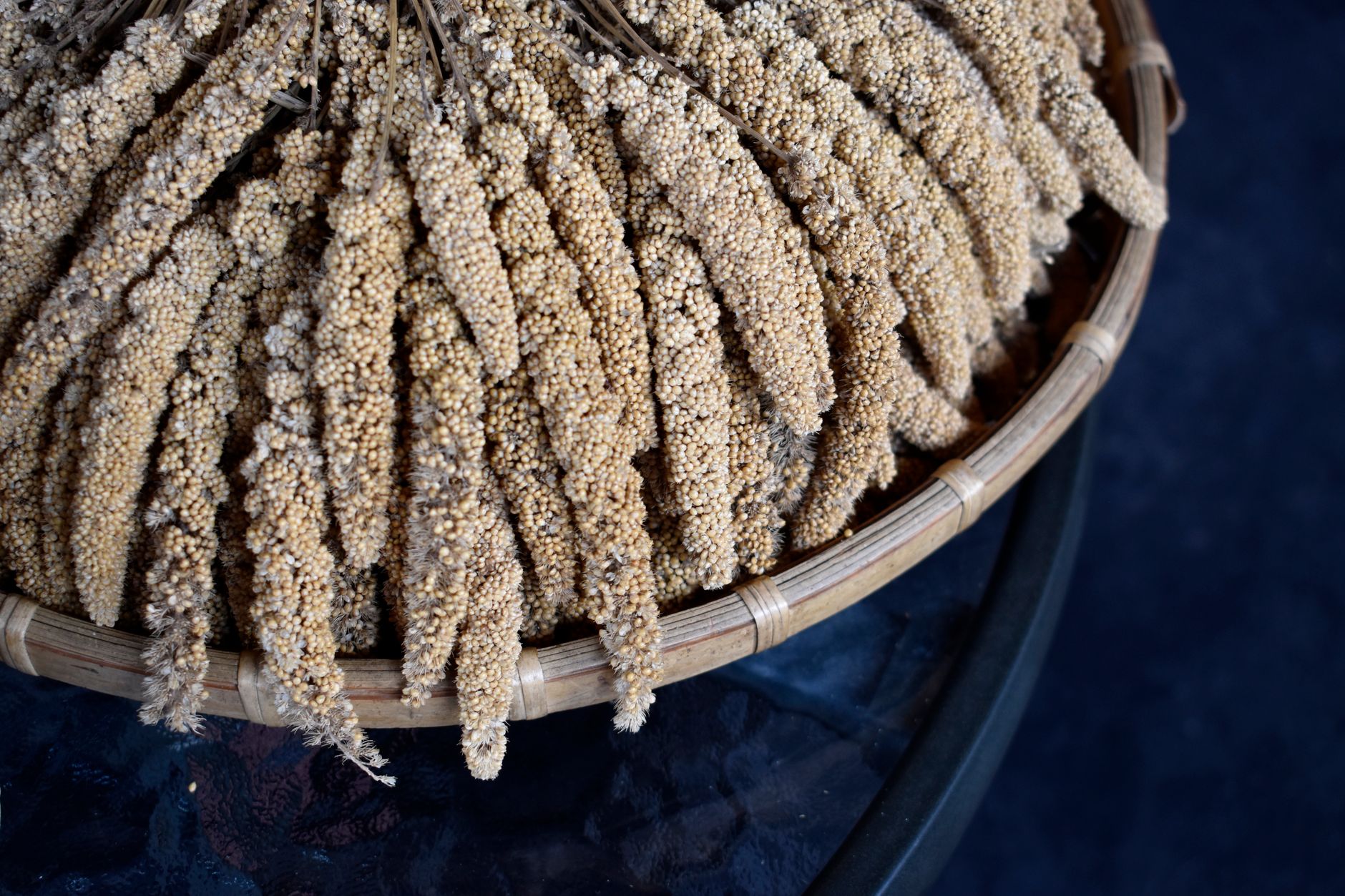
4. Growing Urban Health Awareness
Urban consumers are becoming more health-conscious. Many people now prefer:
- Organic foods
- Traditional grains
- Gluten-free diets
Millets naturally fit into these trends. They are <b>gluten-free and nutrient-dense</b>, making them popular among fitness enthusiasts and nutritionists.
Restaurants and food brands are also introducing millet-based items such as:
- Ragi dosa
- Millet noodles
- Millet cookies
- Millet breakfast cereals
Even major food chains have started experimenting with millet-based menu options.
5. Return to Traditional Indian Diets
Millets are not new to India. In fact, they have been part of Indian diets for <b>thousands of years</b>, dating back to the Indus Valley Civilization.
Advertisement
Loading partner content...
Traditional dishes like:
- Ragi mudde (Karnataka)
- Bajra roti (Rajasthan)
- Thinai pongal (Tamil Nadu)
are now making a comeback as people rediscover the nutritional value of indigenous grains.
6. Better Opportunities for Farmers
The millet revival is also benefiting farmers.
Millet crops:
- Require fewer fertilizers and pesticides
- Grow well in dry regions
- Have lower cultivation costs
Government procurement and incentives are encouraging farmers to grow more millets, which can help improve rural incomes and agricultural sustainability.
Advertisement
Loading partner content...
Conclusion: Embracing the Future of Food
The shift toward millets in India is more than just a food trend. It represents a larger movement toward <b>healthier diets, sustainable agriculture, and traditional food wisdom</b>.
<b>Actionable Steps for Consumers:</b>
- Start incorporating millets into your diet gradually—begin with substituting one meal per week with millet-based foods
- Experiment with different varieties of millets like ragi, jowar, and bajra to find your preference
- Support local millet farmers by purchasing directly from markets or through farmer cooperatives
- Share millet recipes with friends and family to spread awareness about their benefits
<b>For Policymakers:</b>
- Continue investing in research for improved millet varieties
- Develop infrastructure for efficient millet processing and distribution
- Create awareness programs in urban centers to promote millet consumption
With increasing awareness, government support, and growing demand for nutritious foods, millets are likely to become a major part of India's food culture again.
In the coming years, these ancient grains may play a key role in shaping the <b>future of food in India and across the world</b>.