
<h1>Behind the Deadly <a href="/article/the-pulse-of-youth-how-the-jantar-mantar-protests-are-redefining-environmental-activism-in-india" title="The Pulse of Youth: How the Jantar Mantar Protests Are Redefining Environmental Activism in India" class="internal-link">Protests</a> in Pakistan-administered Kashmir: <a href="/article/why-jharkhand-students-are-protesting-a-deep-dive-into-education-rights-government-response-and-the-" title="Why Jharkhand Students Are Protesting: A Deep Dive into Education Rights, Government Response, and the Role of Public Figures like Rahul Gandhi" class="internal-link">A Deep Dive into</a> the Region's History, Grievances, and Future</h1>
<p>The recent surge of violent demonstrations in Pakistan‑administered Kashmir has drawn international attention, highlighting a volatile mix of long‑standing historical disputes, political marginalisation and socioeconomic distress. While the world often focuses on the flashpoints along the Line of Control, the unrest in Azad Kashmir reveals deeper fissures that have been simmering for decades. Understanding the origins of this unrest is essential for any effort to restore stability and address the legitimate aspirations <a href="/article/web3-and-decentralized-applications-the-future-of-the-internet" title="Web3 and Decentralized Applications: The Future of the Internet" class="internal-link">of the</a> region’s inhabitants.</p>
Advertisement
Loading partner content...
<h2>Historical Background</h2>
<p>The roots of today’s tension can be traced back to the tumultuous events of 1947, when British India was partitioned into two independent dominions: India and Pakistan. The princely state of Jammu and Kashmir, ruled by a Hindu maharaja but with a Muslim‑majority population, faced a choice of accession. After an invasion by tribal militias supported by Pakistan, the maharaja signed the Instrument of Accession to India, prompting the first Indo‑Pak <a href="/article/how-iran-israel-war-impacts-indian-economy-and-businesses-india-s-strategic-response" title="How Iran-Israel War Impacts Indian Economy and Businesses: India's Strategic Response" class="internal-link">war</a>.</p>
<h3>Accession and the Formation of Azad Kashmir</h3>
<p>While India secured control over the Vale of Kashmir and parts of Jammu, Pakistan gained administrative authority over the western and northern districts, which it designated as “Azad Jammu and Kashmir” (AJK). The term “Azad” (meaning free) was intended to convey a sense of autonomy, yet the region’s governance has remained tightly linked to Islamabad from the outset.</p>
<ul>
<li>1947‑1948: First Indo‑Pak war establishes the cease‑fire line, later formalised as the Line of Control (LoC).</li>
<li>1949: The Karachi Agreement defines the administrative setup of AJK under Pakistani supervision.</li>
<li>1970s‑1980s: AJK receives a limited legislative assembly, but real power rests with the Pakistani federal government and the Ministry of Kashmir Affairs.</li>
<li>1990s: Rise of militant groups and increased security presence exacerbates local resentment.</li>
</ul>
Advertisement
Loading partner content...
<p>The Line of Control, though not an internationally recognised border, has <a href="/article/debt-management-techniques-to-become-debt-free" title="Debt Management Techniques to Become Debt-Free" class="internal-link">become</a> a permanent scar on the landscape, dividing families, disrupting trade and fostering a pervasive sense of insecurity. Over the years, successive Pakistani governments have AJK’s status as a “provisional” entity, a label that many locals view as a denial of genuine self‑determination.</p>
<figure class="my-8 overflow-hidden rounded-3xl shadow-xl">
<img src="https://images.pexels.com/photos/27822821/pexels-photo-27822821.jpeg?auto=compress&cs=tinysrgb&dpr=2&h=650&w=940" alt="Map of Azad Kashmir" class="w-full h-[400px] object-cover" />
</figure>
<h2>Political Landscape</h2>
<p>The political structure of Azad Kashmir is unique. It possesses its own president, prime minister and legislative assembly, yet key portfolios such as defence, foreign affairs and currency remain under federal jurisdiction. This arrangement creates a dual accountability system where elected officials often find themselves constrained by directives from Islamabad.</p>
Advertisement
Loading partner content...
<h3>Role of National Parties</h3>
<p>Two major Pakistani parties have historically dominated AJK politics: the Pakistan Muslim League‑Nawaz (PML‑N) and the Pakistan Tehreek‑e‑Insaf (PTI). Their influence is mediated through patronage networks, development allocations and the ability to secure federal grants.</p>
<table>
<caption>Representation of Major Parties in the AJK Legislative Assembly (2021‑2024)</caption>
<thead>
<tr>
<th>Party</th>
<th>Seats Won</th>
<th>Percentage of Vote</th>
</tr>
</thead>
<tbody>
<tr>
<td>PML‑N</td>
<td>22</td>
<td>38%</td>
</tr>
<tr>
<td>PTI</td>
<td>18</td>
<td>32%</td>
</tr>
<tr>
<td>Others (including independents)</td>
<td>10</td>
<td>30%</td>
</tr>
</tbody>
<tbody>
<tr>
<td colspan="3"><i>Source: Election Commission of Pakistan, AJK wing (2024)</i></td>
</tr>
</tbody>
</table>
<p>The table above illustrates how power has oscillated between the two main parties, often resulting in policy continuity rather than substantive reform. Critics argue that this duopoly limits space for alternative voices, especially those advocating for greater autonomy or a reconsideration of the region’s political status.</p>
<h3>Concept of “Azad Kashmir”</h3>
Advertisement
Loading partner content...
<p>The term “Azad Kashmir” is enshrined in the region’s interim constitution, which grants it a semblance of self‑rule while affirming its allegiance to Pakistan. In practice, however, the federal government retains the authority to dismiss the AJK government, amend its laws and control key financial resources. This asymmetry fuels perceptions of a hollow autonomy, prompting frequent calls from civil society for either genuine self‑governance or a clear path toward a plebiscite.</p>
<figure class="my-8 overflow-hidden rounded-3xl shadow-xl">
<img src="https://images.unsplash.com/photo-1721664019597-db9075e4a341?crop=entropy&cs=tinysrgb&fit=max&fm=jpg&ixid=M3w4NjI1Nzh8MHwxfHNlYXJjaHwxfHxLYXNobWlyaSUyMHlvdXRoJTIwZ2F0aGVyaW5nfGVufDB8MHx8fDE3ODEwNDcxMDh8MA&ixlib=rb-4.1.0&q=80&w=1080" alt="Kashmiri youth gathering" class="w-full h-[400px] object-cover" />
</figure>
<h2>Key Grievances</h2>
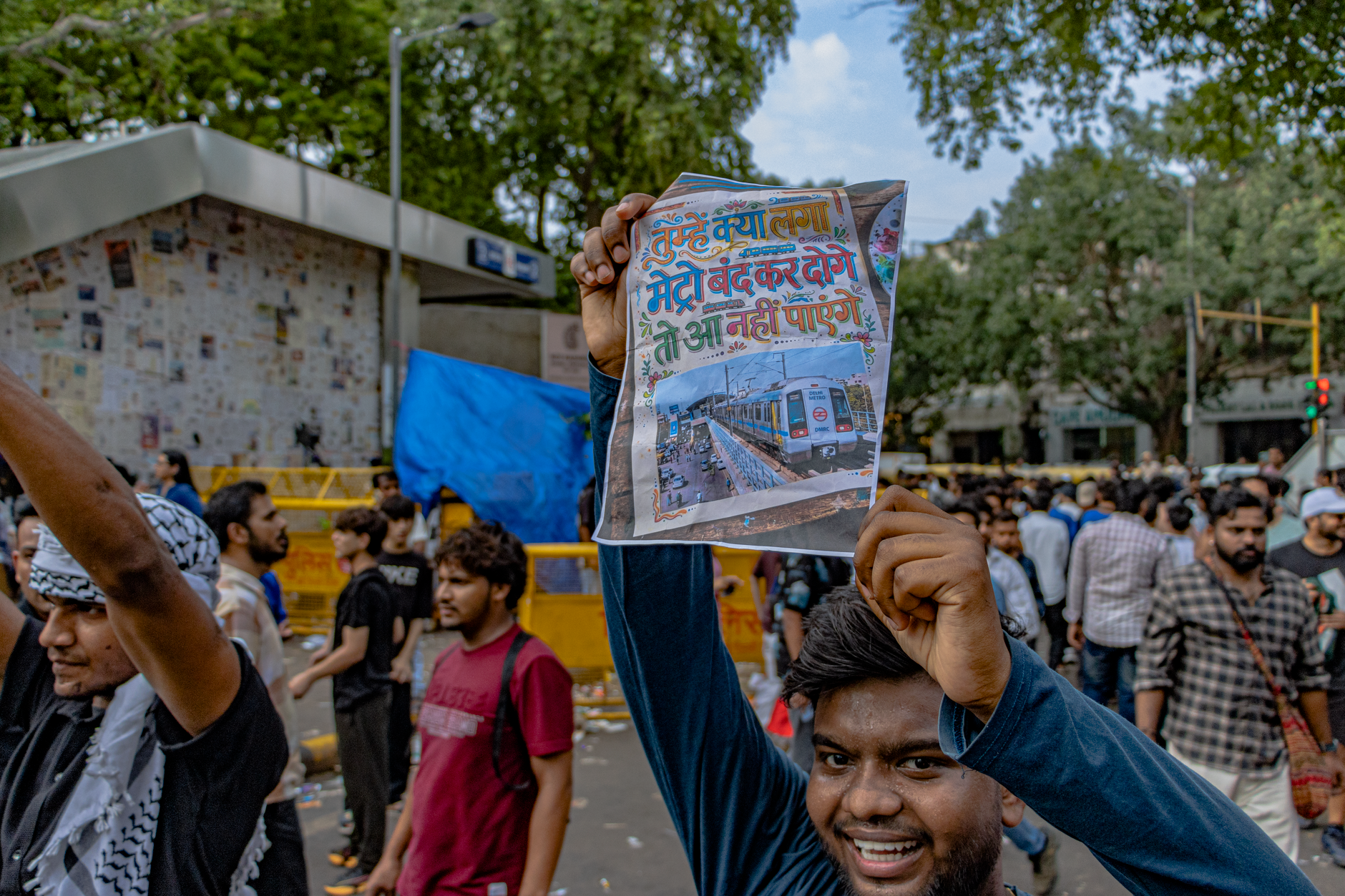
<p>The protests that have erupted in recent months are not spontaneous; they are the culmination of multiple, interlocking grievances that have eroded trust between the populace and the state.</p>
Advertisement
Loading partner content...
<h3>Human Rights Concerns</h3>
<p>Reports from local NGOs and international monitors document cases of enforced disappearances, extrajudicial killings and restrictions on freedom of expression. Journalists and activists often face intimidation, and internet shutdowns during periods of unrest have become a common tactic to curb dissent.</p>
<blockquote>“When you cannot speak freely, when your loved ones vanish without trace, the very idea of citizenship feels like a cruel joke.” – Anonymous AJK human rights defender, 2023</blockquote>
<h3>Political Representation and Governance</h3>
<p>Many residents feel that their elected representatives are mere figureheads, unable to influence decisions on budgets, infrastructure projects or security policies. The perception of corruption and nepotism in the allocation of development funds further deepens disillusionment.</p>
Advertisement
Loading partner content...
<ul>
<li>Limited fiscal autonomy: Over 70% of AJK’s budget originates from federal transfers.</li>
<li>Youth unemployment: Official estimates place joblessness among 18‑29‑year‑olds at approximately 28%.</li>
<li>Brain drain: A significant number of educated youth migrate to urban centres in Pakistan or abroad seeking better prospects.</li>
</ul>
<h3>Socio‑economic Strain</h3>
<p>The COVID‑19 pandemic exacerbated existing vulnerabilities. Lockdowns disrupted the already fragile tourism sector, remittances declined and small businesses faced closure. The resulting economic hardship has amplified frustration, especially among those who see little improvement despite repeated promises of “development packages.”</p>
<figure class="my-8 overflow-hidden rounded-3xl shadow-xl">
<img src="https://images.pexels.com/photos/9643247/pexels-photo-9643247.jpeg?auto=compress&cs=tinysrgb&dpr=2&h=650&w=940" alt="protest signs in Urdu" class="w-full h-[400px] object-cover" />
</figure>
Advertisement
Loading partner content...
<h2>External Factors</h2>
<p>While internal dynamics are central, the geopolitical environment surrounding Kashmir cannot be ignored. The region’s fate is intertwined with the policies of neighbouring states and global powers.</p>
<h3>India’s Role and the 2019 Revocation of Article 370</h3>
<p>India’s decision in August 2019 to abrogate Article 370, which granted special autonomy to Jammu and Kashmir, sent shockwaves across the LoC. The move was accompanied by a heavy security deployment, communication blackouts and a restructuring of administrative divisions. In Azad Kashmir, the development was perceived as an aggressive attempt to alter the status quo, prompting protests and a hardening of public opinion against any perceived Indian encroachment.</p>
<h3>China’s Strategic Interests</h3>
Advertisement
Loading partner content...
<p>China’s growing presence in the region—most notably through the China‑Pakistan Economic Corridor (CPEC) that traverses Gilgit‑Baltistan—has added another layer of complexity. While CPEC promises infrastructure investment, locals worry about environmental degradation, debt sustainability and the potential militarisation of the corridor. The perception that external powers are deciding the region’s future without meaningful local consultation fuels resentment.</p>
<h3>Cross‑Border Escalations</h3>
<p>Periodic skirmishes along the LoC, artillery exchanges and allegations of cross‑border terrorism have kept the area in a state of heightened alert. Such incidents not only claim lives but also disrupt daily life, impede trade and reinforce a narrative of perpetual insecurity.</p>
<figure class="my-8 overflow-hidden rounded-3xl shadow-xl">
<img src="https://images.pexels.com/photos/11654004/pexels-photo-11654004.jpeg?auto=compress&cs=tinysrgb&dpr=2&h=650&w=940" alt="Line of Control tension" class="w-full h-[400px] object-cover" />
</figure>
Advertisement
Loading partner content...
<h2>Future Outlook</h2>
<p>The trajectory of the protests will depend on how effectively the underlying grievances are addressed and whether external pressures can be managed without further destabilising the region.</p>
<h3>Paths to Dialogue and Reform</h3>
<p>A credible peace process would require:</p>
<ol>
<li>Genuine power‑sharing arrangements that grant Azad Kashmir real legislative and fiscal authority.</li>
<li>Transparent investigations into alleged human rights violations, coupled with accountability measures.</li>
<li>Targeted economic programmes aimed at youth employment, skill development and support for small enterprises.</li>
<li>Protection of freedom of expression and the press, including the repeal of blanket internet shutdowns.</li>
<li>Engagement with civil society groups to ensure that any constitutional reforms reflect popular aspirations.</li>
</ol>
Advertisement
Loading partner content...
<p>International actors, including the United Nations and regional organisations, could facilitate confidence‑building measures, monitor human rights conditions and encourage both India and Pakistan to pursue a peaceful resolution that respects the wishes of the Kashmiri people.</p>
<h3>Risks of Escalation</h3>
<p>If grievances remain unaddressed, the cycle of protest, repression and radicalisation may intensify. Persistent unemployment and a sense of political alienation could push disaffected youth toward extremist narratives, complicating security efforts on both sides of the LoC. Moreover, any miscalculation during a border incident could spiral into a larger confrontation, drawing in external powers and threatening regional stability.</p>
<h3>The Role of Local Leadership</h3>
<p>Ultimately, sustainable peace hinges on the willingness of local leaders to transcend partisan divides and prioritise the collective welfare of Azad Kashmir’s inhabitants. By fostering inclusive governance, investing in education and health, and upholding fundamental rights, the region can transform its current turmoil into an opportunity for lasting development and harmony.</p>
Advertisement
Loading partner content...
<figure class="my-8 overflow-hidden rounded-3xl shadow-xl">
<img src="https://images.unsplash.com/photo-1666513306610-0067e2ba9555?crop=entropy&cs=tinysrgb&fit=max&fm=jpg&ixid=M3w4NjI1Nzh8MHwxfHNlYXJjaHwxfHxLYXNobWlyaSUyMGxhbmRzY2FwZSUyMHdpdGglMjBzdW5yaXNlfGVufDB8MHx8fDE3ODEwNDcxMDh8MA&ixlib=rb-4.1.0&q=80&w=1080" alt="Kashmiri landscape with sunrise" class="w-full h-[400px] object-cover" />
</figure>
<h2>Conclusion</h2>
<p>The deadly protests in Pakistan‑administered Kashmir are a symptom of deeper historical injustices, political marginalisation and socio‑economic distress. While the immediate triggers may vary—be it a specific incident of alleged abuse or a flashpoint along the Line of Control—the underlying demands for dignity, representation and a viable future remain constant. Addressing these root causes through sincere dialogue, equitable reforms and vigilant protection of human rights is not merely a moral imperative; it is essential for securing long‑term peace and stability in a region that has endured far too much uncertainty.</p></b></i></i></i></i></i>