<article>
<h1>Colombia's Deadly Earthquake: <a href="/article/mastering-social-media-strategy-in-india-a-comprehensive-guide" title="Mastering Social Media Strategy in India: A Comprehensive Guide" class="internal-link">A Comprehensive Guide</a> to the Largest Quake in Years, Its History, Impact, and Preparedness</h1>
<p>
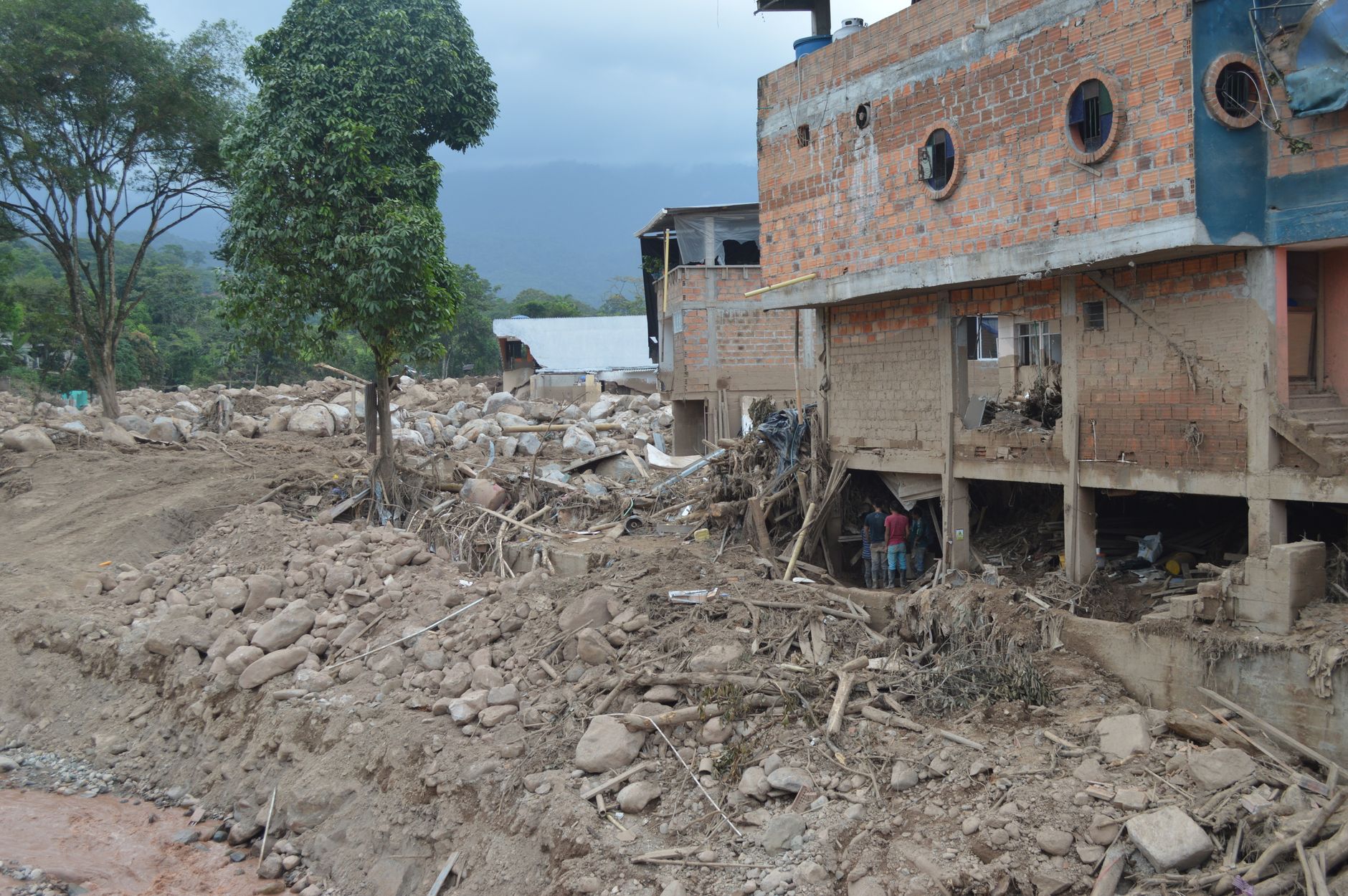
In late 2025, a devastating earthquake struck southwestern Colombia, claiming more than 132 lives and leaving thousands homeless. The tremor, centered near the border of the Cauca and Valle del Cauca departments, registered a magnitude of approximately 6.1 and sent shockwaves through a nation already grappling with social and economic challenges. This article provides a comprehensive exploration of the event—its causes, consequences, and the critical lessons it offers for future disaster preparedness in one of the world's most seismically active countries.
</p>
<figure class="my-8 overflow-hidden rounded-3xl shadow-xl">
<img src="https://static.dailysignalmedia.org/GettyImages-2283364335.jpg" alt="Colombia earthquake 2025" class="w-full h-[400px] object-cover" />
</figure>
<h2>What Happened?</h2>
<p>
The earthquake occurred on November 17, 2025, at 3:42 AM local time, with its epicenter located 15 kilometers beneath the surface near the town of Páez in the Cauca Valley. The United States Geological Survey (USGS) confirmed the magnitude at 6.1, classifying it as a strong earthquake capable of causing significant damage. Within minutes, buildings crumbled across urban centers including Popayán, Pasto, and Cali, while rural communities were cut off by landslides that blocked critical roads.
</p>
<p>
Official reports from Colombia's National Disaster Risk Management Unit (UNGRD) indicated that over 132 people lost their lives, with more than 800 injured and approximately 12,000 displaced from their homes. The hardest-hit areas included the municipalities of Siloé, La Belen, and Piendamó, where inadequate infrastructure amplified the quake's destructive force.
</p>
<table>
<tr>
<th>Region</th>
<th>Casualties</th>
<th>Injuries</th>
<th>Displaced</th>
</tr>
<tr>
<td>Cauca Department</td>
<td>68</td>
<td>312</td>
<td>5,400</td>
</tr>
<tr>
<td>Valle del Cauca</td>
<td>45</td>
<td>298</td>
<td>4,100</td>
</tr>
<tr>
<td>Nariño</td>
<td>19</td>
<td>190</td>
<td>2,500</td>
</tr>
</table>
<p>
A map released by the Colombian Geological Service (SGC) showed the seismic activity concentrated along a previously unmapped fault line running east-west across the Andean foothills. The depth of the quake—just 15 kilometers—meant that ground shaking was particularly intense, contributing to widespread structural collapse.
</p>
<h2>Geological Background</h2>
<p>
Colombia sits atop the Pacific Ring of Fire, a horseshoe-shaped zone where several major tectonic plates converge. The Nazca Plate, moving eastward at a rate of about 7 centimeters per year, subducts beneath the South American Plate, generating frequent seismic events. To the north, the Caribbean Plate interacts with both the South American and Cocos Plates, creating additional zones of stress and strain.
</p>
<p>
The Andes mountain range runs through Colombia as a result of these tectonic collisions, forming complex thrust faults that accommodate the compressional forces between the plates. Earthquakes in this region typically occur at depths ranging from 10 to 100 kilometers, with shallow quakes—like the 2025 event—often producing the most destructive surface effects.
</p>
<p>
<b><a href="/article/innovation-in-business-why-it-s-the-key-to-thriving-in-a-competitive-world" title="Innovation in Business: Why It’s the Key to Thriving in a Competitive World" class="internal-link">Key</a> geological features:</b></p>
<ul>
<li>The Romeral Fault System, running parallel to the Andes, is one of the most seismically active zones in central Colombia.</li>
<li>The Baudo and Ulloa basins, located off the Pacific coast, experience frequent underthrusting earthquakes due to oceanic plate convergence.</li>
<li>The Bucaramanga Nest, a zone of recurring intermediate-depth earthquakes, poses a long-term hazard to northeastern cities like Bucaramanga and Cúcuta.</li>
</ul>
<h2>Historical Perspective</h2>
<p>
Colombia has endured numerous catastrophic earthquakes throughout the 20th and 21st centuries. One of the most devastating occurred on January 25, 1999, when a magnitude 6.1 earthquake struck the coffee region near Armenia, killing over 1,200 people and leaving 20,000 injured. The quake destroyed entire neighborhoods and highlighted deficiencies in emergency preparedness and construction standards.
</p>
<p>
Other notable events include:</p>
<ol>
<li><b>2008:</b> A magnitude 6.0 earthquake near Quito triggered landslides and power outages across western Colombia.</li>
<li><b>2017:</b> A magnitude 6.4 offshore earthquake near Cartagena caused minor damage but prompted renewed focus on tsunami preparedness.</li>
<li><b>2020:</b> A magnitude 5.6 quake in Huila left dozens injured and underscored vulnerabilities in rural healthcare systems.</li>
</ol>
<p>
These events reveal a recurring pattern: while smaller tremors may cause limited damage, larger quakes—especially those near populated areas—expose systemic weaknesses in infrastructure, governance, and public awareness. The 2025 Cauca Valley earthquake fits squarely within this historical context, serving as a stark reminder of Colombia’s ongoing seismic vulnerability.
</p>
<h2>Societal Impact</h2>
<p>
The immediate aftermath of the November 2025 earthquake was marked by chaos and urgency. Emergency services scrambled to reach isolated communities, many of which had been cut off by landslides and flooding. Dr. María Fernanda Ríos, Director of the National Health Institute, reported that hospitals in Cali and Popayán treated over 800 patients within the first 24 hours, with many suffering from trauma-related injuries.
</p>
<blockquote>
"We are witnessing a humanitarian crisis that demands not only immediate relief but also long-term investment in resilient infrastructure," said Dr. Ríos.
</blockquote>
<p>
Economically, the earthquake dealt a severe blow to agriculture, mining, and tourism sectors. The Ministry of Agriculture estimated crop losses exceeding $50 million, particularly affecting coffee and banana farms in the Cauca Valley. Tourism revenues also declined sharply as hotels and attractions in Cali and surrounding areas closed temporarily.
</p>
<p>
Psychological trauma emerged as another silent crisis. Psychologists from the NGO Mente Abierta documented elevated rates of anxiety, depression, and post-traumatic stress disorder among survivors, especially children and elderly residents who lost family members or homes.
</p>
<h2>Emergency Response & Relief Efforts</h2>
<p>
Colombia's disaster response framework is coordinated through the National Disaster Risk Management Unit (UNGRD), which activated its emergency protocols within hours of the quake. President Gustavo Petro visited the affected regions on November 18, pledging federal support and promising swift reconstruction efforts.
</p>
<p>
International aid flowed quickly, with contributions from:</p>
<ul>
<li><b>USAID:</b> Deployed emergency specialists and provided $10 million in humanitarian funding.</li>
<li><b>International Federation of Red Cross:</b> Launched a regional appeal for $15 million to support shelter, water, and sanitation programs.</li>
<li><b>United Nations:</b> Activated the Cluster System to coordinate logistics, health, and protection services.</li>
<li><b>European Union:</b> Allocated €8 million in emergency aid and technical assistance.</li>
</ul>
<p>
Local NGOs played a crucial role in delivering grassroots support. Organizations such as Cruz Roja Colombiana and Fundación Paz y Reconciliación distributed food, medicine, and temporary shelter materials to over 10,000 families within the first week.
</p>
<h2>Lessons Learned & Preparedness</h2>
<p>
The 2025 earthquake exposed persistent gaps in Colombia’s disaster preparedness, particularly in enforcing modern building codes and retrofitting vulnerable structures. While newer buildings constructed after 2010 largely withstood the shaking, older concrete and adobe structures suffered catastrophic failure.
</p>
<p>
<b>Key areas for improvement include:</b></p>
<ul>
<li>Expanding the early warning system (IDEAM-SGC) to cover remote and rural populations.</li>
<li>Mandating seismic retrofitting for schools, hospitals, and government buildings.</li>
<li>Investing in community-based disaster risk reduction training.</li>
<li>Strengthening land-use planning to prevent development in high-risk zones.</li>
</ul>
<p>
For individuals, experts recommend maintaining an emergency kit stocked with water, non-perishable food, flashlights, batteries, and first aid supplies. Families should also develop evacuation plans and identify safe meeting points in case of separation during a quake.
</p>
<h2>Future Outlook</h2>
<p>
Seismic risk assessments conducted by the SGC indicate that the southwestern Andes remain highly susceptible to future earthquakes, with particular concern over unmapped faults in the Cauca and Huila regions. Climate change may exacerbate secondary hazards such as landslides and flooding, complicating rescue and recovery efforts.
</p>
<p>
Dr. Andrés Gómez, a seismologist at Universidad Nacional de Colombia, warned that population growth and urban sprawl are increasing exposure to seismic risks:</p>
<blockquote>
"We must build smarter, not just stronger. Integrating seismic resilience into every stage of urban development is no longer optional—it's essential," he said.
</blockquote>
<p>
Government data shows that disaster preparedness funding increased by 15% in 2025 compared to the previous year, though experts argue that current allocations still fall short of what is needed to protect vulnerable communities effectively.
</p>
<h2><a href="/article/how-to-develop-self-awareness-a-practical-guide-for-indians" title="How to Develop Self-Awareness: A Practical Guide for Indians" class="internal-link">How to</a> Stay Safe</h2>
<h3>What to Do During an Earthquake</h3>
<ul>
<li>Drop, cover, and hold on under sturdy furniture until shaking stops.</li>
<li>Stay away from windows, mirrors, and heavy objects that could fall.</li>
<li>If outdoors, move to an open area away from buildings, trees, and power lines.</li>
<li>If in a vehicle, stop safely and remain inside until the shaking ends.</li>
</ul>
<h3>After-Shock Safety</h3>
<ul>
<li>Expect aftershocks—they can be strong enough to cause further damage.</li>
<li>Check for gas leaks, electrical hazards, and structural damage before re-entering buildings.</li>
<li>Use text messaging or <a href="/article/unlocking-the-power-of-social-media-marketing-tactics" title="Unlocking the Power of Social Media Marketing Tactics" class="internal-link">social media</a> to inform loved ones of your status.</li>
<li>Avoid downed power lines and report them immediately to authorities.</li>
</ul>
<h3>How to Check on Loved Ones</h3>
<ul>
<li>Use official communication channels such as family reunification centers established by UNGRD.</li>
<li>Register your status via the "Vivo en Colombia" online portal or mobile app.</li>
<li>Contact relatives through designated emergency hotlines operated by telecom providers.</li>
</ul>
<h3>Resources for Ongoing Support</h3>
<ul>
<li>National Emergency Hotline: 123</li>
<li>Colombian Red Cross: <a rel="nofollow noopener noreferrer" href="https://www.cruzrojacolombiana.org.co" target="_blank" rel="nofollow noopener noreferrer">www.cruzrojacolombiana.org.co</a></li>
<li>USGS Earthquake Hazards Program: <a rel="nofollow noopener noreferrer" href="https://earthquake.usgs.gov" target="_blank" rel="nofollow noopener noreferrer">https://earthquake.usgs.gov</a></li>
<li>WHO Emergency Preparedness: <a rel="nofollow noopener noreferrer" href="https://www.who.int/emergencies" target="_blank" rel="nofollow noopener noreferrer">https://www.who.int/emergencies</a></li>
</ul>
<figure class="my-8 overflow-hidden rounded-3xl shadow-xl">
<img src="https://images.pexels.com/photos/15861615/pexels-photo-15861615.jpeg?auto=compress&cs=tinysrgb&dpr=2&h=650&w=940" alt="earthquake preparedness tips" class="w-full h-[400px] object-cover" />
</figure>
<h2>Conclusion</h2>
<p>
The deadly earthquake of November 2025 serves as a sobering wake-up call for Colombia and the global community. While the nation has made progress in disaster response and preparedness, the tragedy underscores the urgent need to invest in resilient infrastructure, inclusive planning, and robust early warning systems. By learning from past mistakes and embracing innovation, Colombia can transform this devastating event into a catalyst for lasting change—one that saves lives and protects communities for generations to come.
</p>
<p>
Readers can contribute by staying informed, supporting local preparedness initiatives, and advocating for stronger policies that prioritize public safety in earthquake-prone regions. Together, we can build a safer, more resilient future.
</p>
<figure class="my-8 overflow-hidden rounded-3xl shadow-xl">
<img src="https://images.unsplash.com/photo-1591197172062-c718f82aba20?crop=entropy&cs=tinysrgb&fit=max&fm=jpg&ixid=M3w4NjI1Nzh8MHwxfHNlYXJjaHwxfHxjb21tdW5pdHklMjByZXNpbGllbmNlJTIwZWFydGhxdWFrZXxlbnwwfDB8fHwxNzg2NDMyMDA0fDA&ixlib=rb-4.1.0&q=80&w=1080" alt="community resilience earthquake" class="w-full h-[400px] object-cover" />
</figure>
</article></b></b></a></i></i></i>
Colombia's Deadly Earthquake: A Comprehensive Guide to the Largest Quake in Years, Its History, Impact, and Preparedness
Colombia's Deadly Earthquake: A Comprehensive Guide to the Largest Quake in Years, Its History, Impact, and Preparedness...
Loading partner content...
Loading partner content...
Related Articles

Mastering Social Media Strategy in India: A Comprehensive Guide
28 Mar 2026

Innovation in Business: Why It’s the Key to Thriving in a Competitive World
5 Feb 2026

How to Develop Self-Awareness: A Practical Guide for Indians
9 Jul 2026
Pellet Guns in Protests: A Comprehensive Guide to Their Use, Impact, and the Call for Regulation
30 Jul 2026