<h1>Cyclones in Odisha: <a href="/article/upcoming-bollywood-movies-this-year-a-complete-guide" title="Upcoming Bollywood Movies This Year: A Complete Guide" class="internal-link">Complete Guide</a> to History, Vulnerability, IMD Warnings, and Disaster Preparedness</h1>
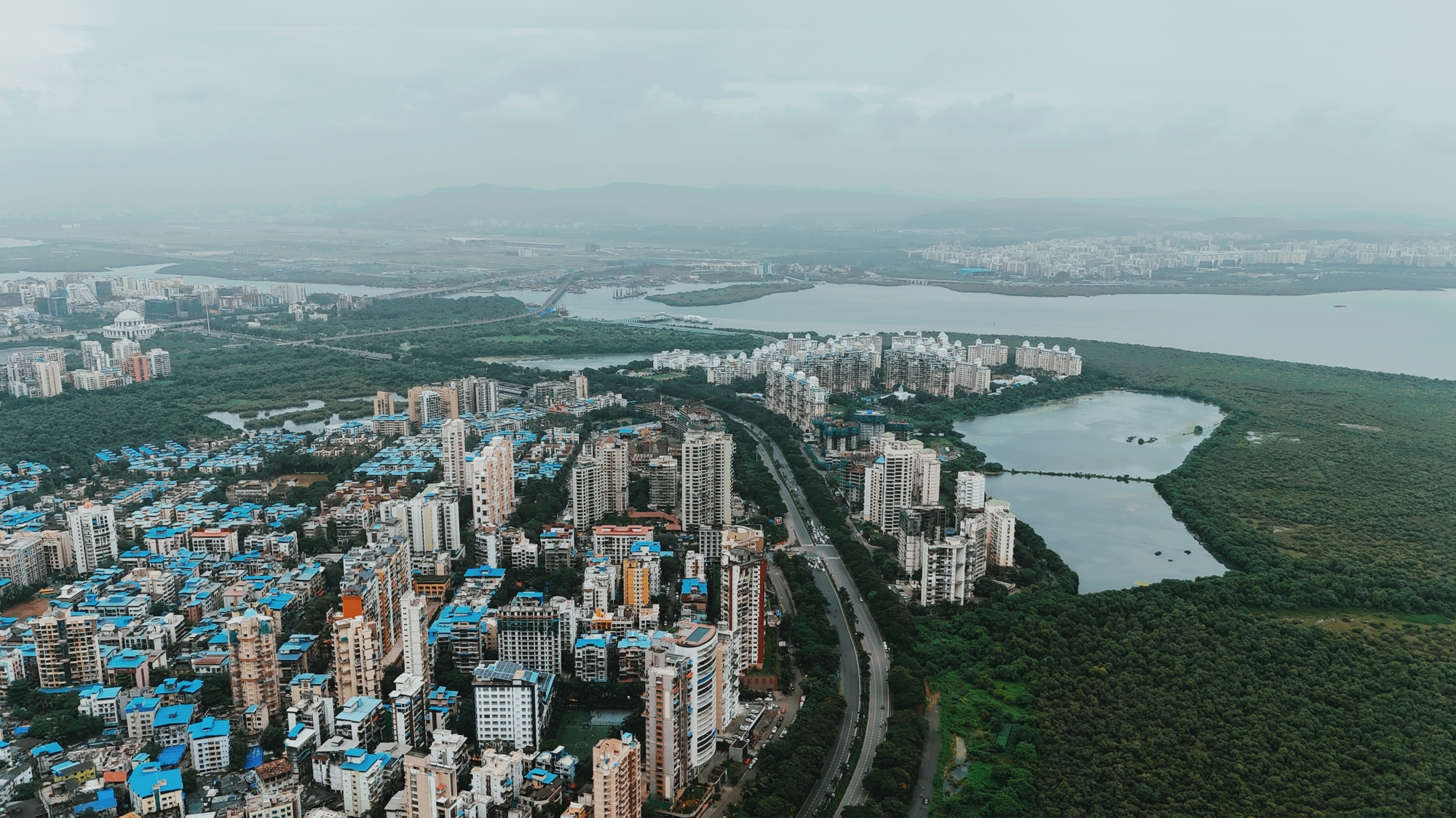
<p>Odisha sits on the eastern edge of India where the <b>Bay of Bengal cyclones</b> gather strength before making landfall. The state’s long coastline, shallow continental shelf, and dense river network amplify storm surge and flooding. Understanding this vulnerability is the first step toward resilience.</p>
<h2>Why Odisha Is a Cyclone Hotspot</h2>
<p>Geography funnels low‑pressure systems straight into Odisha’s coastal districts. Warm sea surface temperatures in the Bay of Bengal provide the energy that fuels rapid intensification. The state’s flat terrain offers little natural barrier to wind and rain.</p>
<ul>
<li><b>Extended coastline</b> of roughly 480 km exposes multiple districts to direct hits.</li>
<li><b>Shallow bathymetry</b> allows storm surge to travel far inland.</li>
<li><b>High population density</b> in low‑lying areas increases human exposure.</li>
<li><b>River deltas</b> such as the Mahanadi, Brahmani, and Baitarani exacerbate flooding.</li>
</ul>
Advertisement
Loading partner content...
<p>These factors combine to make Odisha one of India’s most cyclone‑prone states, a reality reflected in the frequency of <b>Odisha cyclone alert</b> issuances each season.</p>
<h2>Historical Timeline of Major Cyclones</h2>
<p>Odisha’s cyclone record reads like a chronicle of escalating intensity and improving response. The table below captures key events, their categories, and human toll.</p>
<table>
<thead>
<tr><th>Cyclone</th><th>Year</th><th>Category (IMD)</th><th>Landfall District</th><th>Estimated Deaths</th></tr>
</thead>
<tbody>
<tr><td>Super Cyclone</td><td>1999</td><td>Extremely Severe</td><td>Paradip</td><td>~10,000</td></tr>
<tr><td>Phailin</td><td>2013</td><td>Very Severe</td><td>Gopalpur</td><td>~45</td></tr>
<tr><td>Hudhud</td><td>2014</td><td>Very Severe</td><td>Visakhapatnam (near border)</td><td>~120</td></tr>
<tr><td>Fani</td><td>2019</td><td>Extremely Severe</td><td>Puri</td><td>~64</td></tr>
<tr><td>Amphan</td><td>2020</td><td>Super Cyclonic Storm</td><td>West Bengal (impact on Odisha)</td><td>~98 (Odisha)</td></tr>
<tr><td>Yaas</td><td>2021</td><td>Very Severe</td><td>Balasore</td><td>~20</td></tr>
<tr><td>Mocha</td><td>2023</td><td>Extremely Severe</td><td>Near Paradip</td><td>~12</td></tr>
</tbody>
</table>
<h3>1999 Super Cyclone Odisha</h3>
Advertisement
Loading partner content...
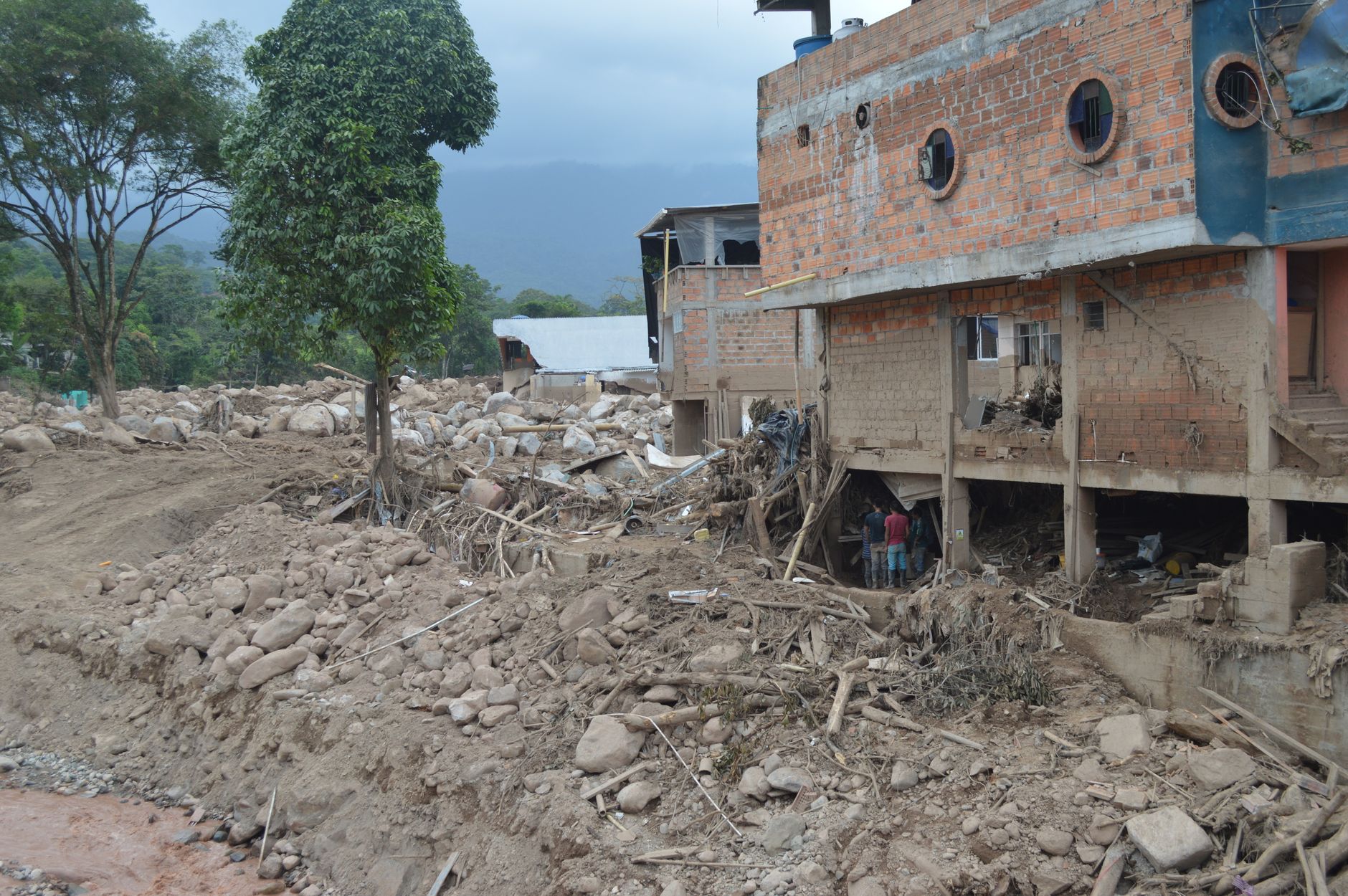
<p>The 1999 event remains the benchmark for devastation. Winds exceeded 260 km/h and a 7‑meter surge inundated villages up to 30 km inland. The catastrophe exposed gaps in early warning, shelter capacity, and coordination.</p>
<blockquote>
"The 1999 super cyclone taught us that preparedness is not optional; it is a lifeline for millions." — Former Odisha State Disaster <a href="/article/mastering-time-management-a-self-help-guide-for-indian-professionals" title="Mastering Time Management: A Self-Help Guide for Indian Professionals" class="internal-link">Management A</a>uthority Director
</blockquote>
<h3>Phailin (2013) and the Turnaround</h3>
<p>Phailin tested the new disaster management framework. Massive pre‑emptive evacuation of over 1 million people limited fatalities to a few dozen. The operation became a case study for the entire country.</p>
<h3>Fani (2019) – A Modern Test</h3>
Advertisement
Loading partner content...
<p>Fani’s rapid intensification challenged forecasting models. Yet, the state’s <b>Odisha disaster management</b> apparatus executed a near‑flawless evacuation of 1.2 million residents, showcasing the value of community‑level drills.</p>
<h2>Understanding IMD Color‑Coded Warnings</h2>
<p>The India Meteorological Department (IMD) issues four colour codes to convey urgency. Each colour triggers specific actions for administrators and the public.</p>
<ul>
<li><b>Green</b> – No warning; routine monitoring.</li>
<li><b>Yellow</b> – Watch; be prepared for adverse weather.</li>
<li><b>Orange</b> – Alert; take precautionary measures, restrict movement.</li>
<li><b>Red</b> – Warning; immediate action required, evacuate vulnerable zones.</li>
</ul>
Advertisement
Loading partner content...
<h3>What an IMD Red Warning Odisha Means</h3>
<p>A <b>IMD red warning Odisha</b> signals that extremely heavy rain (>200 mm in 24 h) and cyclonic winds (>120 km/h) are imminent. Authorities must activate all cyclone shelters, halt transport, and enforce mandatory evacuation in designated zones. The red level also triggers the deployment of National Disaster Response Force (NDRF) teams and the opening of relief distribution centres.</p>
<p>Residents should treat a red warning as a non‑negotiable order to move to the nearest shelter. Delaying can expose families to flash floods, flying debris, and collapsed structures.</p>
<h2>Odisha’s Disaster Management Model</h2>
<p>Odisha’s model rests on three pillars: technology, community participation, and institutional coordination. The state operates a dedicated <b>Odisha State Disaster Management Authority (OSDMA)</b> that integrates IMD data with local knowledge.</p>
Advertisement
Loading partner content...
<ul>
<li><b>Early Warning Dissemination</b> – SMS, radio, TV, and village‑level loudspeakers broadcast alerts in Odia and local dialects.</li>
<li><b>Cyclone Shelter Network</b> – Over 800 multi‑purpose shelters, each equipped with sanitation, water, and medical kits.</li>
<li><b>Evacuation Protocols</b> – Pre‑identified routes, designated assembly points, and trained volunteers (Aapda Mitra) <a href="/article/how-to-develop-self-awareness-a-practical-guide-for-indians" title="How to Develop Self-Awareness: A Practical Guide for Indians" class="internal-link">guide</a> families.</li>
<li><b>Post‑Disaster Recovery</b> – Rapid damage assessment using drones, transparent compensation disbursement, and livelihood restoration programmes.</li>
</ul>
<p>Regular mock drills, school curricula on disaster safety, and the integration of Self‑Help Groups (SHGs) ensure that the response muscle memory stays sharp.</p>
<h2>Practical Cyclone Safety Checklist</h2>
<p>Below is a concise <b>cyclone safety guide Odisha</b> that households can print and keep handy.</p>
<h3>Before the Cyclone</h3>
<ol>
<li>Register mobile numbers with the state alert system for real‑time <b>Odisha cyclone alert</b> messages.</li>
<li>Secure roof sheets, windows, and loose objects; reinforce doors with cross‑bracing.</li>
<li>Prepare an emergency kit: water (3 L per person), dry food, medicines, flashlight, power bank, important documents in waterproof pouch.</li>
<li>Identify the nearest cyclone shelter and rehearse the evacuation route with all family members.</li>
<li>Trim tree branches near the house; clear drainage channels to reduce waterlogging.</li>
</ol>
Advertisement
Loading partner content...
<h3>During the Cyclone</h3>
<ul>
<li>Stay indoors, away from windows; take refuge in the strongest interior room.</li>
<li>Keep a battery‑operated radio tuned to the local IMD broadcast for updates.</li>
<li>Do not venture out to assess damage; flying debris and sudden flooding are lethal.</li>
<li>If evacuation order arrives, move immediately with the emergency kit; assist elderly and disabled neighbours.</li>
</ul>
<h3>After the Cyclone</h3>
<ol>
<li>Wait for official all‑clear before returning home.</li>
<li>Inspect structural damage cautiously; avoid downed power lines.</li>
<li>Boil or treat water before consumption; discard food exposed to floodwater.</li>
<li>Report injuries and property loss to the nearest relief camp for assistance.</li>
<li>Participate in community clean‑up to prevent disease outbreaks.</li>
</ol>
<h2>Climate Change and Future Outlook</h2>
Advertisement
Loading partner content...
<p>Scientific consensus indicates that rising sea surface temperatures are making <b>Bay of Bengal cyclones</b> more intense and slower‑moving, which raises rainfall totals. Climate models project a 10‑15 % increase in the frequency of extremely severe cyclones by 2050 for the Odisha coast.</p>
<p>Higher atmospheric moisture content translates into heavier downpours, worsening the <b>Odisha coastal districts heavy rain</b> problem. Sea‑level rise will amplify storm surge penetration, threatening additional inland communities.</p>
<p>Adaptation must therefore combine hard infrastructure (sea walls, elevated shelters) with soft measures (mangrove restoration, land‑use zoning). Investment in high‑resolution coupled ocean‑atmosphere models will sharpen the IMD’s forecast lead time, giving authorities a wider window for evacuation.</p>
<h2>Preparedness Recommendations for Communities and Policymakers</h2>
<ul>
<li>Expand the shelter network to cover every gram panchayat within 10 km of the shoreline.</li>
<li>Mandate cyclone‑resilient building codes for new constructions in high‑risk zones.</li>
<li>Integrate climate projections into district disaster management plans (DDMPs) for dynamic risk mapping.</li>
<li>Strengthen the Aapda Mitra volunteer corps with regular certification and stipends.</li>
<li>Leverage satellite‑based real‑time flood mapping (e.g., Sentinel‑1) for rapid damage assessment.</li>
<li>Promote insurance schemes tailored for cyclone and flood losses to reduce economic vulnerability.</li>
<li>Conduct bi‑annual multi‑agency drills that simulate a red‑warning scenario from alert to recovery.</li>
</ul>
Advertisement
Loading partner content...
<p>By embedding these actions into everyday governance, Odisha can transform its historic vulnerability into a showcase of climate‑resilient development.</p>
<h2>Conclusion</h2>
<p>Cyclones in Odisha are an enduring reality shaped by geography and a warming planet. The state’s <a href="/article/self-help-series-a-journey-into-inner-transformation" title="Self-Help Series: A Journey Into Inner Transformation" class="internal-link">journey</a> from the catastrophic 1999 super cyclone to the comparatively low‑casualty events of recent years demonstrates that <b>effective early warning, community‑centric evacuation, and robust institutional coordination save lives</b>. Continued investment in technology, ecosystem‑based defenses, and inclusive planning will keep Odisha ahead of the next storm. Stay informed, stay prepared, and treat every IMD warning as a call to action.</p>
<figure class="my-8 overflow-hidden rounded-3xl shadow-xl">
<img src="https://images.unsplash.com/photo-1753731581991-03a92edcb279?crop=entropy&cs=tinysrgb&fit=max&fm=jpg&ixid=M3w4NjI1Nzh8MHwxfHNlYXJjaHwxfHxCYXklMjBvZiUyMEJlbmdhbCUyMGNvYXN0bGluZXxlbnwwfDB8fHwxNzkyNzg0ODg4fDA&ixlib=rb-4.1.0&q=80&w=1080" alt="Bay of Bengal coastline" class="w-full h-[400px] object-cover" />
</figure>
<figure class="my-8 overflow-hidden rounded-3xl shadow-xl">
<img src="https://images.pexels.com/photos/25853633/pexels-photo-25853633.jpeg?auto=compress&cs=tinysrgb&dpr=2&h=650&w=940" alt="cyclone shelter interior" class="w-full h-[400px] object-cover" />
</figure>
<figure class="my-8 overflow-hidden rounded-3xl shadow-xl">
<img src="https://static.toiimg.com/thumb/msid-134807187,width-1280,height-720,resizemode-6,overlay-toi_sw,pt-32,y_pad-600/photo.jpg" alt="India Meteorological Department logo" class="w-full h-[400px] object-cover" />
</figure>
<figure class="my-8 overflow-hidden rounded-3xl shadow-xl">
<img src="https://images.unsplash.com/photo-1571845599234-790a035f6109?crop=entropy&cs=tinysrgb&fit=max&fm=jpg&ixid=M3w4NjI1Nzh8MHwxfHNlYXJjaHwxfHxjbGltYXRlJTIwY2hhbmdlJTIwaW1wYWN0JTIwaWxsdXN0cmF0aW9ufGVufDB8MHx8fDE3OTI3ODQ4ODh8MA&ixlib=rb-4.1.0&q=80&w=1080" alt="climate change impact illustration" class="w-full h-[400px] object-cover" />
</figure>
Advertisement
Loading partner content...
<SCHEMA>
{
"@context": "https://schema.org",
"@type": "BlogPosting",
"headline": "Cyclones in Odisha: Complete Guide to History, Vulnerability, IMD Warnings, and Disaster Preparedness",
"image": "{{IMAGE_URL}}",
"author": {
"@type": "Person",
"name": "{{AUTHOR_NAME}}",
"url": "{{AUTHOR_URL}}"
},
"publisher": {
"@type": "Organization",
"name": "The Readist",
"url": "https://thereadist.in"
},
"url": "{{ARTICLE_URL}}",
"datePublished": "{{DATE_PUBLISHED}}",
"description": "<a href="/article/colombia-s-deadly-earthquake-a-comprehensive-guide-to-the-largest-quake-in-years-its-history-impact-" title="Colombia's Deadly Earthquake: A Comprehensive Guide to the Largest Quake in Years, Its History, Impact, and Preparedness" class="internal-link">A comprehensive</a> evergreen guide on cyclones in Odisha covering history, vulnerability,</b></i></i></i></i>