From ₹5 Recharge to 5G: How Mobile Phones Changed Indian Lives in 20 Years
<strong>From missed calls and ₹5 recharges to 5G video calls and digital payments — this is the story of how mobile <a href="/article/digital-detox-what-happens-when-you-quit-your-phone-for-7-days" title="Digital Detox: What Happens When You Quit Your Phone for 7 Days" class="internal-link">phone</a>s transformed everyday life <a href="/article/thinking-of-doing-something-different-up-medical-student-dies-of-suicide-a-call-for-mental-health-re" title="“Thinking Of Doing Something Different”: UP Medical Student Dies Of Suicide – A Call for Mental Health Reform in India" class="internal-link">in India</a> over the last two decades.</strong>

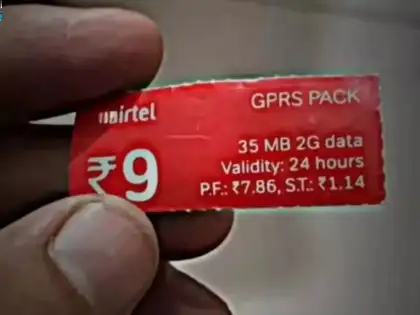
There was a time when a ₹5 recharge was enough to last an entire week. Calls were precious. Missed calls were messages. A mobile phone wasn’t a gadget — it was a luxury.
Fast forward 20 years, and India now makes video calls while standing in vegetable markets, pays tea vendors with QR codes, and streams movies on buses. The mobile phone didn’t just evolve — it <strong>rewrote daily life</strong>.
Let’s walk through this remarkable journey.
📞 Early 2000s: When Mobile Phones Were a Status Symbol
- Only business owners and professionals owned mobile phones.
- Incoming calls were free, outgoing were expensive.
- The Nokia 1100, Motorola C115, and Siemens handsets ruled the market.
- “Missed call” culture was born — a free way to say I reached safely or Call me.
For many families, owning a phone meant <strong>economic progress</strong>. It wasn’t just communication — it was connection.
Advertisement
Loading partner content...

📩 Mid-2000s: SMS, Ringtones, and ₹5 Recharges
- ₹5 and ₹10 recharges.
- 100 free SMS packs.
- Caller tunes and polyphonic ringtones.
- WAP internet — slow, but magical.
People sent festival wishes via SMS instead of greeting cards. Long-distance relationships survived through night-long texting. College life found a new rhythm — with balance checks, recharge shops, and midnight SMS bundles.
📶 2010–2015: The Smartphone Revolution Begins
- Android smartphones
- 3G internet
- Apps like WhatsApp, Facebook, and YouTube
Suddenly:
- Video calls replaced STD booths.
- News came through mobile alerts.
- Photos were shared instantly.
- Students accessed online education.
- Small businesses went online.

A mobile phone became <strong>a camera, newspaper, TV, radio, diary, bank, and classroom — all in one.</strong>
🚀 2016 Onwards: Jio, Cheap Data, and the Digital Explosion
Then came the biggest disruption — <strong>free data and ultra-cheap internet</strong>.
India witnessed:
Advertisement
Loading partner content...
- Streaming becoming mainstream.
- Online education reaching rural villages.
- Digital payments via UPI exploding.
- Small vendors accepting QR payments.
- Farmers checking crop prices online.
- Gig economy jobs flourishing.
Data stopped being a luxury — it became a <strong>basic utility</strong>.
⚡ Today: The 5G Era and Hyper-Connected India
Today:
- We attend meetings on the go.
- Watch movies in HD without buffering.
- Make instant payments.
- Track health, fitness, and finances.
- Create content, run businesses, and earn money — all from a phone.
Mobile phones now <strong>shape careers, relationships, governance, education, and entertainment</strong>.
❤️ How Mobile Phones Changed Indian Lives — Beyond Technology
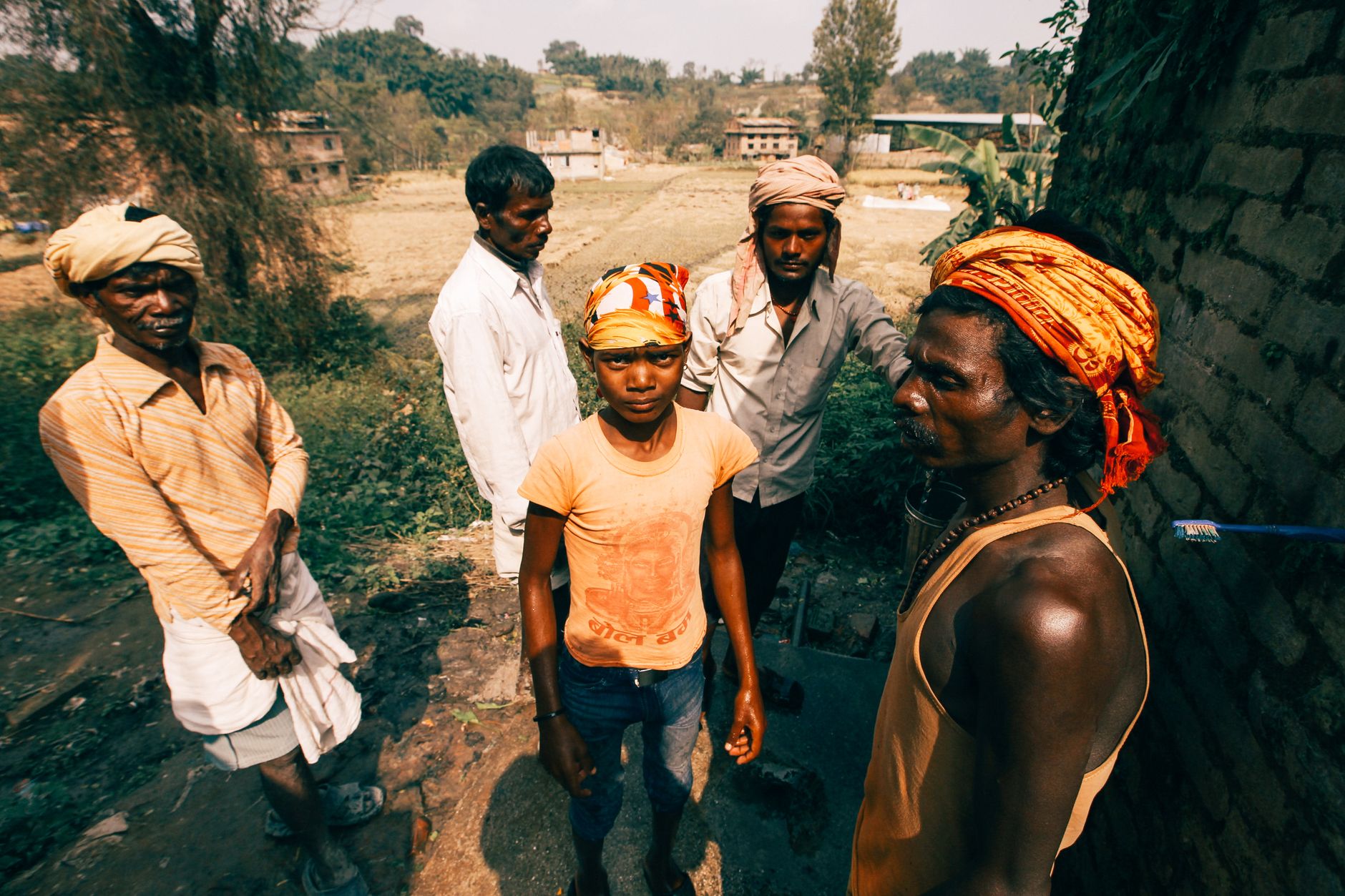
- A migrant worker video-calls his children daily.
- A rural student attends online classes.
- A homemaker runs an Instagram business.
- A street vendor accepts UPI.
- A farmer checks weather and mandi prices.
Mobile phones didn’t just bring connectivity — they brought <strong>dignity, access, and opportunity</strong>.
🧠 Final Thought
From ₹5 recharges to unlimited data, from missed calls to 5G video calls — the mobile phone has become <strong>India’s most powerful social equalizer</strong>.
Advertisement
Loading partner content...
It didn’t just <a href="/article/social-norms-and-behavioral-change-how-culture-shapes-our-daily-choices-in-india" title="Social Norms and Behavioral Change: How Culture Shapes Our Daily Choices in India" class="internal-link">change how</a> we talk.<br><strong>It changed who gets to be heard.</strong>