<h1>Iraq’s Armed Groups: From Insurgency Roots to Regional <a href="/article/unlocking-the-power-of-social-media-marketing-tactics" title="Unlocking the Power of Social Media Marketing Tactics" class="internal-link">Power</a> Players – <a href="/article/mastering-social-media-strategy-in-india-a-comprehensive-guide" title="Mastering Social Media Strategy in India: A Comprehensive Guide" class="internal-link">A Comprehensive Guide</a> to Their History, Alliances, and Future Role</h1>
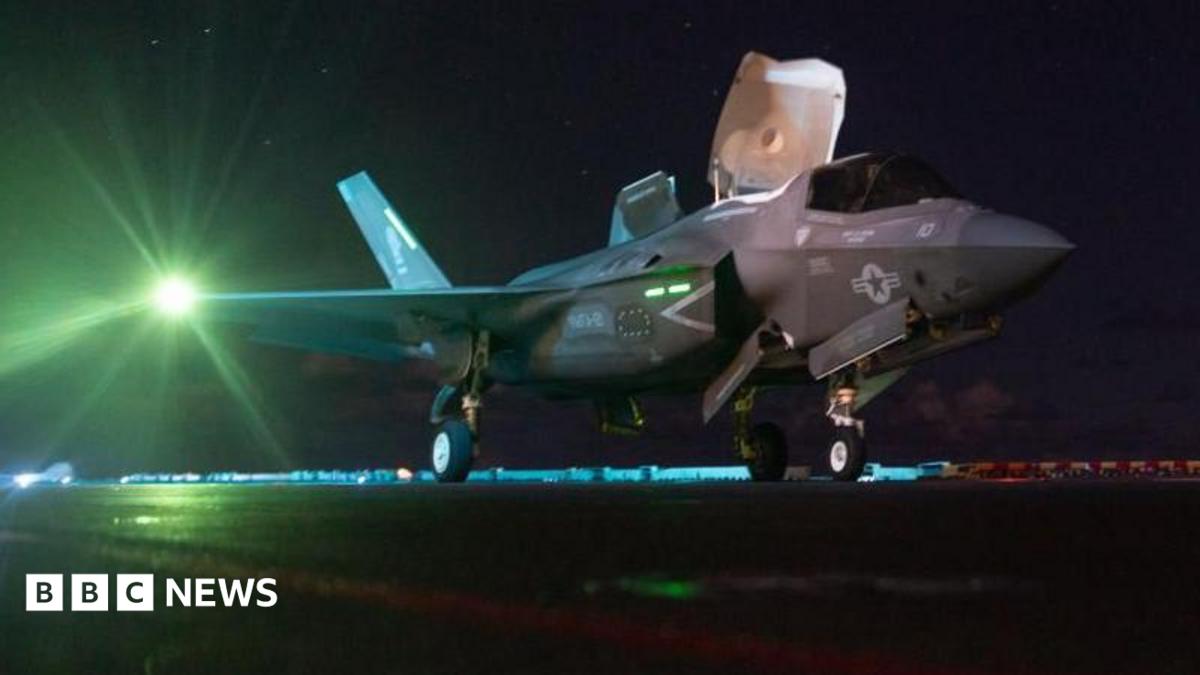
<p><b>The recent condemnation of “dangerous escalation” following US-Saudi strikes in Iraq</b> has once again thrust the country’s labyrinthine network of armed groups into the <a href="/article/the-strategic-shift-how-trump-s-envoy-is-redefining-u-s-iran-diplomacy-and-what-it-means-for-global-" title="The Strategic Shift: How Trump’s Envoy Is Redefining U.S.-Iran Diplomacy and What It Means for Global Markets" class="internal-link">global</a> spotlight. These are not mere footnotes in Iraq’s post-2003 saga—they are central actors shaping the nation’s political trajectory, security architecture, and regional standing. From the ashes of the American invasion emerged a constellation of militias, each rooted in distinct ideologies, sectarian identities, and foreign allegiances. Understanding them is no longer optional; it is essential for grasping the future of Iraqi sovereignty and Middle Eastern stability.</p>
<figure class="my-8 overflow-hidden rounded-3xl shadow-xl">
<img src="https://ichef.bbci.co.uk/ace/branded_news/1200/cpsprodpb/b59a/live/8b160770-83fc-11f1-8948-1f76bc360535.jpg" alt="Iraq" class="w-full h-[400px] object-cover" />
</figure>
<h2>Origins & Evolution: From Insurgency to Militia</h2>
Advertisement
Loading partner content...
<p>The story of Iraq’s armed groups begins in 2003, when the fall of Saddam Hussein dismantled state institutions overnight. The Coalition Provisional Authority’s decision to disband the Iraqi army created a vacuum filled by former Baathist officers, Shia clerics, and Sunni tribal leaders. What followed was a brutal insurgency that morphed into sectarian warfare by 2006.</p>
<p><b>Key transitional moments</b> include:</p>
<ul>
<li>The 2006 Samarra mosque bombing, which catalyzed Shia mobilization.</li>
<li>The 2007 surge, which temporarily weakened Sunni insurgents but empowered Shia militias.</li>
<li>The 2014 ISIS offensive, which prompted the formalization of the Popular Mobilization Forces (PMF).</li>
</ul>
<p>Each phase refined the groups’ structures, funding mechanisms, and ideological frameworks. By 2016, many had evolved from guerrilla fighters into semi-state actors with political wings, social services, and transnational connections.</p>
<figure class="my-8 overflow-hidden rounded-3xl shadow-xl">
<img src="https://images.pexels.com/photos/10181045/pexels-photo-10181045.jpeg?auto=compress&cs=tinysrgb&dpr=2&h=650&w=940" alt="Iraq conflict" class="w-full h-[400px] object-cover" />
</figure>
Advertisement
Loading partner content...
<h2>Major Iraqi Armed Groups: Profiles & Agendas</h2>
<h3>Popular Mobilization Forces (PMF)</h3>
<p>Formally established in 2014 under Prime Minister Haider al-Abadi, the PMF is a government-sanctioned umbrella body comprising over 40 factions. Its dual nature—as both a military force and a political bloc—makes it uniquely influential. The PMF’s leadership, dominated by Shia clerics and Iran-aligned commanders, operates with significant autonomy from Baghdad.</p>
<p><b>Key features:</b></p>
<ul>
<li>Headed by Hadi al-Ameri until 2021; now led by Falih al-Fayyad.</li>
<li>Receives direct funding from the Iraqi state budget.</li>
<li>Maintains ties to Iran’s Islamic Revolutionary Guard Corps (IRGC).</li>
</ul>
<h3>Kataib Hezbollah</h3>
Advertisement
Loading partner content...
<p>Founded in 2007 by Hadi al-Ameri, Kataib Hezbollah (KH) is one of the most hardline factions within the PMF. Known for its anti-American stance, KH has claimed responsibility for numerous attacks on U.S. bases. Its operational focus spans counter-terrorism, cyber warfare, and propaganda campaigns.</p>
<p><b>Notable actions:</b></p>
<ul>
<li>2019 rocket attacks on the U.S. Embassy in Baghdad.</li>
<li>Active role in suppressing protests during October 2019.</li>
<li>Sanctioned by the U.S. Treasury Department in 2020.</li>
</ul>
<h3>Badr Organization</h3>
Advertisement
Loading partner content...
<p>Originating from the Shia exile opposition during Saddam’s era, the Badr Organization transitioned from a guerrilla movement to a mainstream political party. It currently holds seats in Parliament and controls key ministries, including Interior. Its militia wing remains active in southern Iraq.</p>
<h3>Other Notable Groups</h3>
<p>Beyond the major players, several factions maintain distinct roles:</p>
<ul>
<li><b>Asaib Ahl al-Hak:</b> Known for its precision-guided munitions and attacks on Western targets.</li>
<li><b>Harakat al-Nujaba:</b> A predominantly Iraqi group with strong Iranian ties, active in Syria.</li>
<li><b>Baath Brigades:</b> Sunni insurgents operating primarily in Anbar Province.</li>
</ul>
<figure class="my-8 overflow-hidden rounded-3xl shadow-xl">
<img src="https://www.aljazeera.com/wp-content/uploads/2026/07/afp_6a5780cc6a9c-1784119500.jpg?resize=1920%2C1440" alt="Kataib Hezbollah" class="w-full h-[400px] object-cover" />
</figure>
Advertisement
Loading partner content...
<h2>External Influences: US Presence & Saudi Arabia’s Role</h2>
<p>The United States maintains approximately 2,500 troops in Iraq, primarily in advisory and counter-ISIS roles. However, recent joint operations with Saudi Arabia—including intelligence sharing and precision strikes—have reignited tensions with pro-Iranian factions. These actions are framed domestically as necessary to combat terrorism but are viewed regionally as part of a broader containment strategy against Iranian influence.</p>
<p><b><a href="/article/navigating-geopolitical-tensions-a-strategic-response-to-israeli-criticism" title="Navigating Geopolitical Tensions: A Strategic Response to Israeli Criticism" class="internal-link">Strategic</a> implications:</b></p>
<ol>
<li>U.S.-Saudi coordination signals renewed Gulf alignment.</li>
<li>Armed groups perceive these moves as existential threats.</li>
<li>Iraqi public opinion remains divided between nationalism and anti-imperialism.</li>
</ol>
<h2>The Condemnation Narrative – Why Armed Groups Speak Out</h2>
Advertisement
Loading partner content...
<p>Following the latest round of strikes, factions like Kataib Hezbollah and the PMF issued coordinated statements denouncing “dangerous escalation.” This rhetoric serves multiple purposes:</p>
<blockquote><p>“We will not allow our land to become a launching pad for aggression against our neighbors,” said a joint statement from several PMF-aligned groups.</p></blockquote>
<p><b>Domestic audience:</b> Reassure supporters and justify resistance.</p>
<p><b>Regional audience:</b> Signal solidarity with Iran and other adversaries of Western intervention.</p>
<p><b>International audience:</b> Legitimize their cause before global watchdogs and media outlets.</p>
<h2>Impact on Iraqi Society & Politics</h2>
<p>The presence of armed groups profoundly affects daily life in Iraq. In areas like Baghdad’s Sadr City and Basra’s outskirts, these factions operate parallel governance systems, providing services where the state fails. They also exert control over elections through voter intimidation and candidate endorsements.</p>
Advertisement
Loading partner content...
<p><b>Real-world examples:</b></p>
<ul>
<li>The 2021 parliamentary elections saw PMF-backed candidates win over 70 seats.</li>
<li>Protests in 2022 were met with violence attributed to unidentified gunmen linked to militias.</li>
<li>Reform bills on security sector integration have stalled due to factional lobbying.</li>
</ul>
<figure class="my-8 overflow-hidden rounded-3xl shadow-xl">
<img src="https://images.pexels.com/photos/7152750/pexels-photo-7152750.jpeg?auto=compress&cs=tinysrgb&dpr=2&h=650&w=940" alt="Baghdad protest" class="w-full h-[400px] object-cover" />
</figure>
<h2>Regional Implications: Iran, Saudi Arabia, and the United States</h2>
<p>Iraq has become a microcosm of the broader Iran-Saudi rivalry. Tehran supports Shia militias financially and militarily, while Riyadh aligns with Washington to counterbalance this influence. The result is a fragile equilibrium where any misstep risks triggering wider conflict.</p>
Advertisement
Loading partner content...
<table border="1" cellpadding="8" cellspacing="0">
<tr>
<th>Actor</th>
<th>Alliance</th>
<th>Objective</th>
</tr>
<tr>
<td>Iran</td>
<td>PMF, KH, Harakat al-Nujaba</td>
<td>Secure buffer zone; expand regional influence</td>
</tr>
<tr>
<td>United States</td>
<td>Iraqi government, Kurdish Peshmerga</td>
<td>Counter-terrorism; limit Iranian reach</td>
</tr>
<tr>
<td>Saudi Arabia</td>
<td>U.S.-led coalition proxies</td>
<td>Contain Iranian expansionism</td>
</tr>
</table>
<p><b>Potential outcomes:</b></p>
<ul>
<li>De-escalation through diplomatic engagement.</li>
<li>Escalation leading to direct confrontation between U.S. and Iranian forces.</li>
<li>Fragmentation of existing alliances amid shifting regional priorities.</li>
</ul>
<h2>Future Outlook: Scenarios for Iraq’s Armed Landscape</h2>
<p>Looking ahead, three plausible scenarios define the trajectory of Iraq’s armed groups:</p>
<h3>Scenario 1: Integration into National Security Forces</h3>
<p>Under sustained pressure from Baghdad and international donors, factions may gradually disarm and merge into official armed forces. This path requires massive investment in training, equipment, and reconciliation programs.</p>
Advertisement
Loading partner content...
<h3>Scenario 2: Continued Fragmentation</h3>
<p>As long as ideological divides persist and external patrons continue funding, Iraq risks becoming a patchwork of semi-independent zones controlled by rival militias. Governance would suffer, and economic development would stall.</p>
<h3>Scenario 3: External Withdrawal Leading to Power Vacuums</h3>
<p>If either the U.S. or Iran reduces its footprint abruptly, local groups could compete violently for resources and territory. Such instability would threaten not only Iraq but also neighboring countries.</p>
<p><b>Policy recommendations:</b></p>
<ul>
<li>Strengthen Iraqi state institutions to reduce dependency on militias.</li>
<li>Establish transparent mechanisms for disarmament and reintegration.</li>
<li>Promote inclusive dialogue involving all ethnic and sectarian communities.</li>
<li>Encourage regional diplomacy to prevent proxy conflicts on Iraqi soil.</li>
</ul>
Advertisement
Loading partner content...
<figure class="my-8 overflow-hidden rounded-3xl shadow-xl">
<img src="https://s.yimg.com/lo/mysterio/api/2bb4b164ae04ff4cef08878ea7aad5072527f192ad834dec6fbdad4c35932d0a/lightyear_networkapi/resizefill_w960_h540;quality_80;format_webp/https:%2F%2Fmedia.zenfs.com%2Fen%2Fcnn_articles_875%2F2776125cc5bc04c31e9dc8bf4a1de270" alt="Iraq map" class="w-full h-[400px] object-cover" />
</figure>
<h2>Conclusion – Balancing Sovereignty and Security</h2>
<p>Iraq stands at a crossroads. Its armed groups, born from chaos and sustained by geopolitics, now hold the keys to the country’s future. Whether they evolve into legitimate defenders of the state or remain instruments of foreign agendas will depend on the choices made by Iraqi leaders—and the restraint shown by external powers. For ordinary citizens caught between bullets and ballots, the stakes couldn’t be higher.</p>
<h2>FAQs & Quick Facts</h2>
Advertisement
Loading partner content...
<dl>
<dt>What legal status do Iraqi armed groups hold?</dt>
<dd>Some, like the PMF, are officially recognized; others operate outside the law.</dd>
<dt>How are these groups funded?</dt>
<dd>Through a mix of state budgets, private donations, smuggling, and foreign aid.</dd>
<dt>Are all groups Shia?</dt>
<dd>No—Sunni factions like Baath Brigades and Christian militias also exist.</dd>
<dt>Can Iraq ever achieve full sovereignty?</dt>
<dd>Yes—but only if internal unity supersedes external manipulation.</dd>
<dt>Is there hope for peace?</dt>
<dd>Absolutely—if dialogue replaces violence and governance replaces patronage.</dd>
</dl>
Advertisement
Loading partner content...
<p><b>Stay informed. Stay vigilant. The next chapter of Iraq’s story is still being written.</b></p></b></i></i></i></i></i>