
SUGGESTED ARTICLE TITLE: "Cyclone 'Arnab': Loss, Solidarity, and the Road to Restoration in Andhra Pradesh" CREATIVE ARTICLE ANGLE & WRITING INSTRUCTIONS: Write a 1200+ word evergreen long-form article centered on Cyclone 'Arnab', but frame it through a human, social, and recovery-focused angle rather than simply retelling breaking news. Open with a powerful narrative hook that reflects on the moment before, during, and after the cyclone, using the reported facts that five people were killed in Andhra Pradesh and that Telangana extended support to Andhra Pradesh for restoration works. Then build the article around these sections: an introduction to the storm and its context; the immediate impact and aftermath, including deaths, displacement, damage, and rescue efforts; the social and cultural response, including community solidarity, volunteer networks, local leadership, media live updates, and public grief; the cross-state support from Telangana and what it reveals about regional cooperation in disaster response; the restoration and recovery roadmap, covering emergency shelter, medical care, mental health support, clean water, food security, cash transfers, housing, livelihoods, and rebuilding; a climate and preparedness perspective on Bay of Bengal cyclones, early warning systems, disaster risk reduction, and resilience; and a forward-looking conclusion about lessons for disaster governance, human compassion, and long-term recovery. Maintain an engaging, empathetic, and informative tone. Avoid inventing specific unverified details; use clearly framed context or placeholders where exact figures are not provided. Target SEO keywords: Cyclone 'Arnab', Andhra Pradesh cyclone, Telangana support, disaster recovery India, cyclone preparedness. FOCUS KEYWORDS TO INTEGRATE: Cyclone 'Arnab', Andhra Pradesh cyclone, Telangana support, disaster recovery India, cyclone preparedness
SUGGESTED ARTICLE TITLE: "Cyclone 'Arnab': Loss, Solidarity, and the Road to Restoration in Andhra Pradesh" CREATIVE ARTICLE ANGLE & WRITING INSTRUCTIONS: Write...
Loading partner content...
Loading partner content...
Related Articles
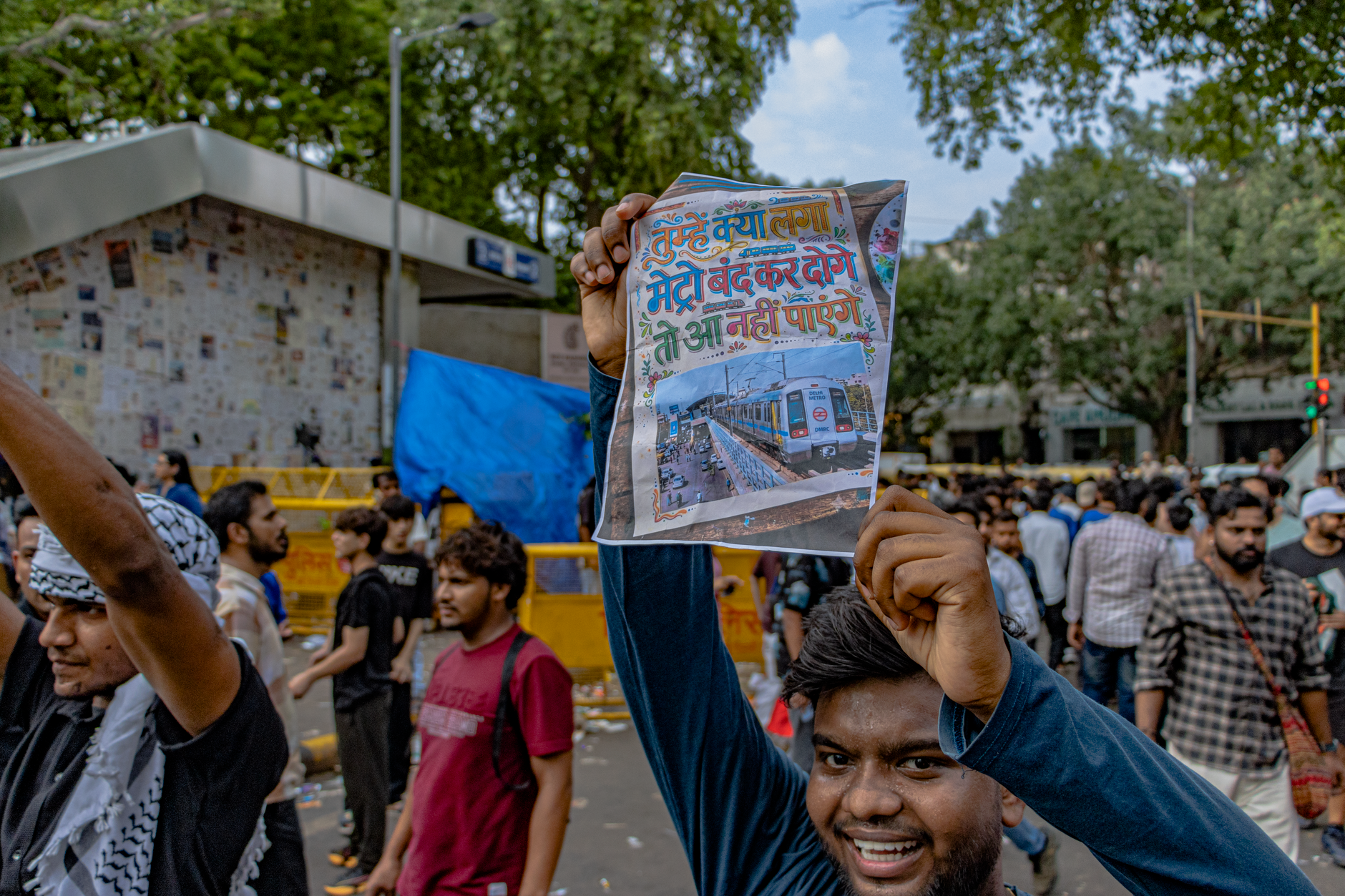
Why Jharkhand Students Are Protesting: A Deep Dive into Education Rights, Government Response, and the Role of Public Figures like Rahul Gandhi
10 Aug 2026

The NALSAR Controversy Explained: How India's Premier Law University Became Ground Zero for a Legal Education Revolution
13 Aug 2026
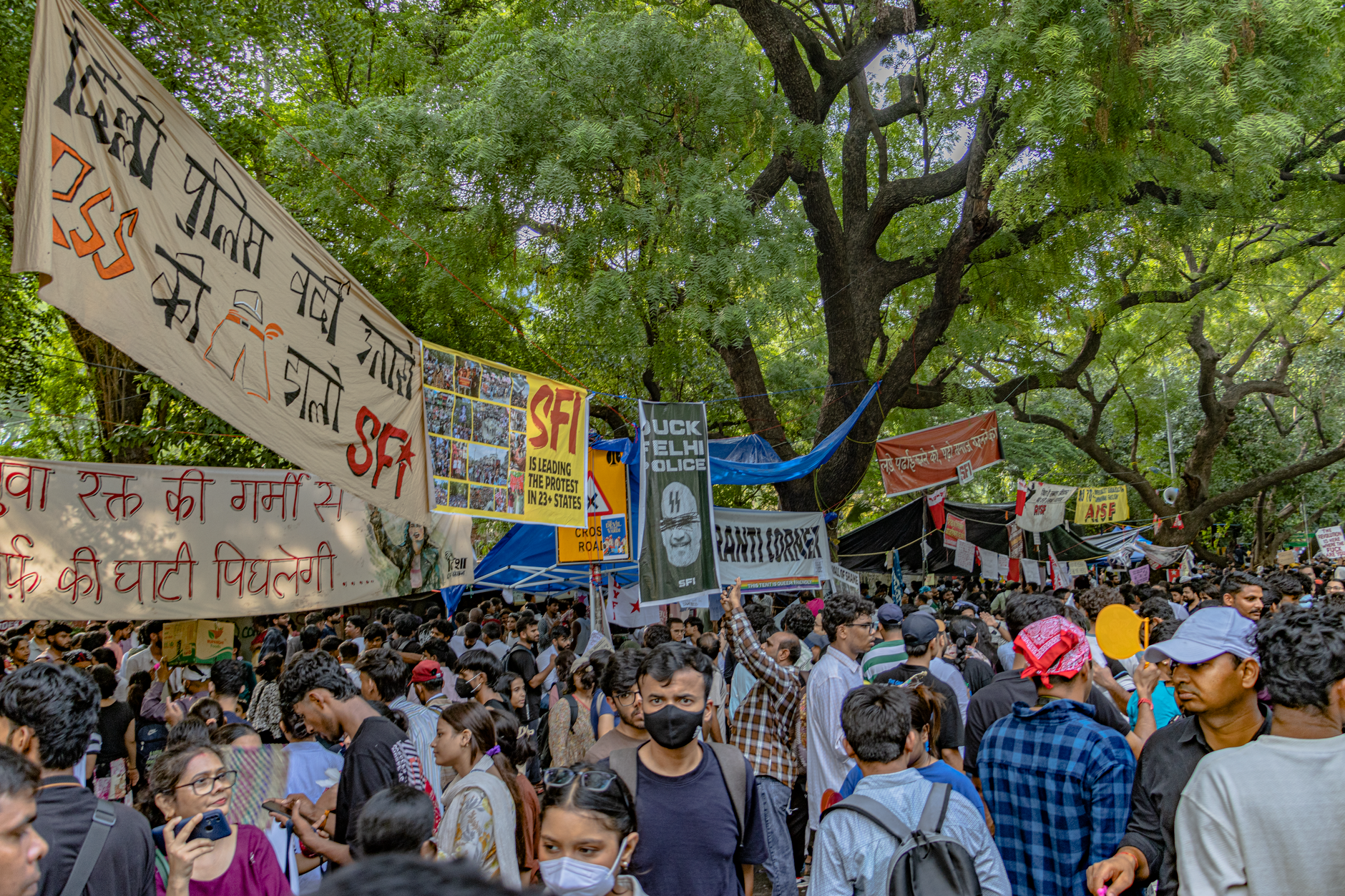
SUGGESTED ARTICLE TITLE: "Jantar Mantar: India's Iconic Protest Ground – History, Significance, and the Future of Public Dissent" CREATIVE ARTICLE ANGLE & WRITING INSTRUCTIONS: Write a comprehensive 1200+ word article that explores Jantar Mantar as a central symbol of protest and activism in India, tying in the current event involving CJP leaders Saurav Das and Ashutosh Ranka. The article should be evergreen, focusing on the broader cultural, historical, and legal dimensions rather than just the news summary. Structure the content with the following sections: 1. **Introduction**: Define Jantar Mantar's dual identity as an 18th-century astronomical observatory and a modern protest hub, highlighting its emotional and political resonance in Indian society. 2. **Historical Evolution**: Detail the transformation of Jantar Mantar from a scientific site under Maharaja Jai Singh II to a venue for dissent post-independence, emphasizing key milestones like the JP Movement and anti-corruption protests. 3. **Cultural and Political Significance**: Analyze why Jantar Mantar became the epicenter of protests, discussing its symbolism for democracy, public expression, and the role of iconic movements (e.g., Anna Hazare's campaign, farmer protests). 4. **Legal Framework and Challenges**: Examine the laws governing public protests in India, including court rulings, permits, and tensions between state authority and civil liberties. Incorporate the CJP leaders' undertaking as a case study to discuss recent trends in protest regulation and activist accountability. 5. **Case Study: CJP and the Recent Undertaking**: Deep-dive into the Campaign for Justice and Peace (CJP), its leaders Saurav Das and Ashutosh Ranka, and the implications of their agreement not to call for protests at Jantar Mantar. Explore themes of strategic activism, legal negotiations, and the impact on grassroots movements. 6. **Comparative Perspectives**: Contrast Jantar Mantar with other global protest sites (e.g., Tahrir Square, Capitol Hill) to highlight unique aspects of Indian protest culture. 7. **Future Outlook**: Discuss emerging challenges like digital activism, surveillance, and pandemic-era restrictions, and how Jantar Mantar's role might evolve in shaping India's democratic discourse. 8. **Conclusion**: Reflect on the enduring legacy of Jantar Mantar as a beacon of dissent and the need for balanced dialogue between activists and authorities. Ensure the article is engaging, well-researched, and incorporates SEO best practices with natural keyword integration. FOCUS KEYWORDS TO INTEGRATE: Jantar Mantar, protest in India, Indian activism, CJP leaders, public dissent, democracy India, Saurav Das, Ashutosh Ranka, protest culture, legal aspects of protest
21 Oct 2026

10 Lesser-Known Facts About Sonam Wangchuk: The Visionary Behind Ice Stupas and Education Reform
19 Jul 2026