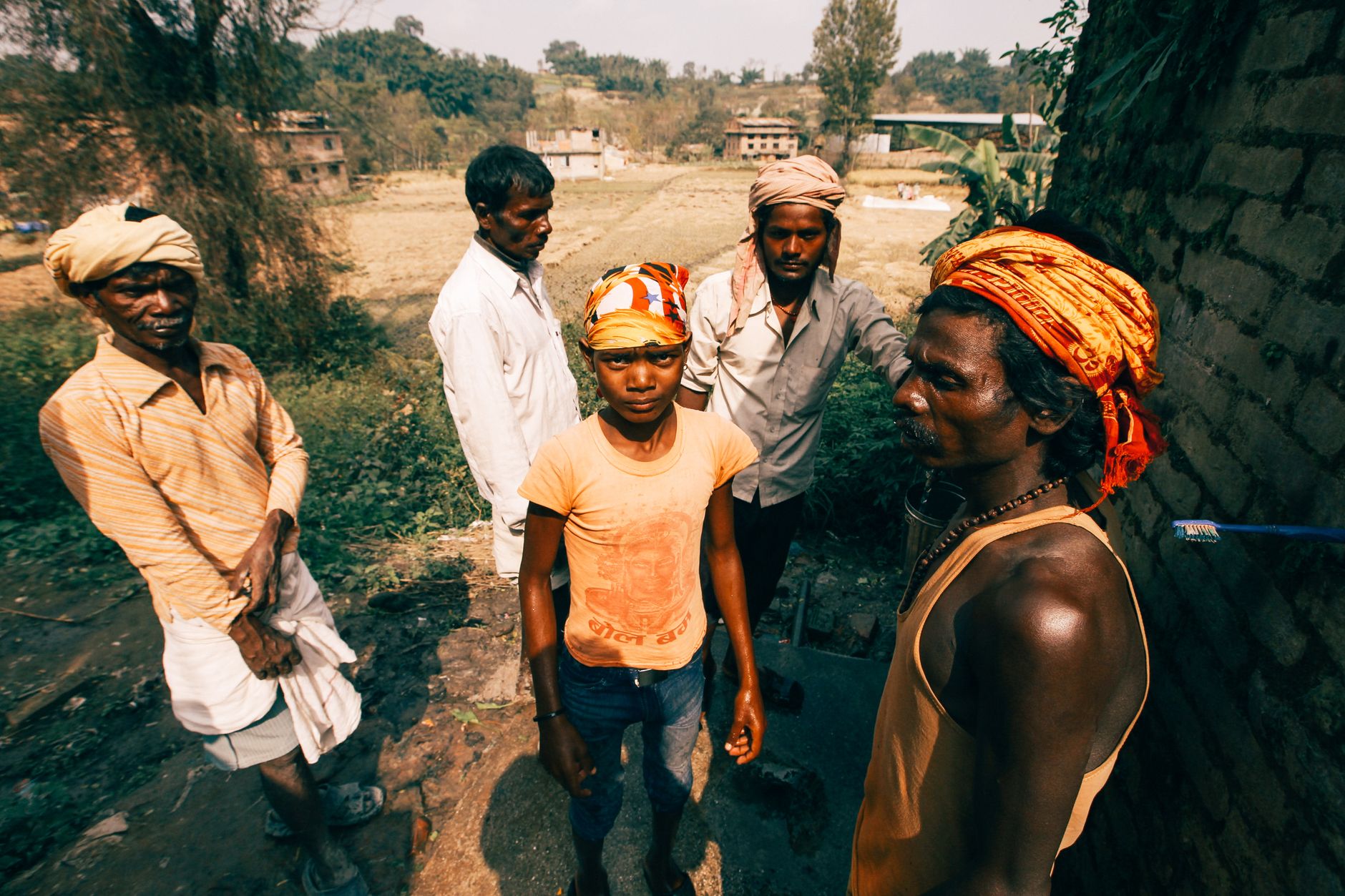

The Evolution of Family Structures in India: From Joint to Nuclear and Beyond
India’s social fabric has always been woven around the concept of family, yet the patterns that define it have shifted dramatically over the past century. From the sprawling joint households that once dominated rural landscapes to the compact nuclear units flourishing in metropolitan cities, the transformation reflects deeper economic, cultural, and technological currents. This article traces that journey, highlighting the forces that reshaped Indian families, examining contemporary variations, and offering insights into what the future may hold.
Historical Roots: The Joint Family as the Default
For much of India’s pre‑colonial and colonial history, the <b>joint family</b> was the prevailing model. Typically comprising three or more generations living under one roof, it pooled resources, shared labor, and provided a safety net for children, elders, and the infirm. Kinship obligations were reinforced by religious texts, caste norms, and agrarian economies where land was held collectively.
Key characteristics of the traditional joint family included:
- Common kitchen and finances: All members contributed to a shared purse and ate from a common hearth.
- Collective decision‑making: Elders, especially the patriarch, held authority over marriages, education, and property.
- Mutual support system: Childcare, elder care, and agricultural labor were distributed among adult members.
- Strong kinship identity: Family reputation and lineage were paramount, influencing social standing.
Anthropologist <b>M. N. Srinivas</b> once noted,
“The joint family is not merely a residential arrangement; it is an institution that embodies the moral economy of Indian village life.”
This perspective underscores how deeply the joint family was embedded in the social order.
Advertisement
Loading partner content...
Colonial Encounters and Early Disruptions
The British administration introduced land revenue systems, cash‑crop economies, and Western education, which began to erode the agrarian base that sustained joint households. Urban centers such as Calcutta, Bombay, and Madras saw <a href="/article/india-s-private-space-revolution-the-rise-of-skyroot-s-vikram-1-rocket" title="India's Private Space Revolution: The Rise of Skyroot's Vikram-1 Rocket" class="internal-link">the rise of</a> a new <b><a href="/article/why-india-s-middle-class-is-more-stressed-than-ever" title="Why India’s Middle Class Is More Stressed Than Ever" class="internal-link">middle class</a></b> employed in administrative, professional, and trade occupations. These groups often preferred smaller households to accommodate mobility and modern lifestyles.
Additionally, missionary activity and reform movements challenged caste rigidity and gender hierarchies, planting seeds for more egalitarian intra‑family relations. While the joint family persisted in many regions, the first cracks appeared in the early 20th century.
Post‑Independence Transformations (1947‑1990)
State‑Led Development and Migration
After independence, India’s focus on industrialisation and the Green Revolution spurred internal migration. Young men and women left ancestral villages for factories, universities, and government jobs in burgeoning cities. This shift created a practical need for <b>nuclear families</b>—parents and their unmarried children—because maintaining a large household in cramped urban quarters was infeasible.
Government policies also played a role:
- Housing schemes (e.g., LIG, MIG) promoted small‑unit apartments.
- Education expansion increased the age at which individuals entered the workforce, delaying marriage.
- Labor laws encouraged formal employment, which often required relocation.
Changing Gender Dynamics
The 1950s‑80s witnessed the gradual entry of women into higher education and the paid workforce. Legislative milestones such as the <a rel="nofollow noopener noreferrer" href="https://www.indiacode.nic.in/handle/123456789/1362?view_type=browse">Hindu Succession Act (1956)</a> and its amendment (2005) began to recognize daughters’ rights to ancestral property, challenging the patriarchal control over family assets. As women gained economic independence, decision‑making power within families started to shift from a strictly patriarchal model to a more negotiated one.
Advertisement
Loading partner content...
Liberalisation, Urbanisation, and the Rise of the Nuclear Unit (1991‑Present)
The economic liberalisation of 1991 accelerated urban migration, increased disposable incomes, and exposed Indian households to global consumer culture. The nuclear family became not just a necessity but also an aspirational lifestyle symbolising privacy, autonomy, and modernity.
A comparative look at census data illustrates the trend:
| Census Year | % Joint Families (3+ generations) | % Nuclear Families (parents + children) | % Other (single‑parent, extended, etc.) |
|---|---|---|---|
| 1961 | 68% | 22% | 10% |
| 1981 | 55% | 33% | 12% |
| 2001 | 42% | 48% | 10% |
| 2011 | 35% | 55% | 10% |
The table shows a steady decline in joint households and a corresponding rise in nuclear units, especially after the 1990s.
Drivers of the Nuclear Shift
- Employment mobility: IT, BPO, and service sectors demand frequent relocations.
- Housing constraints: Urban real‑estate prices favor smaller apartments.
- Consumer aspirations: Desire for personal space, privacy, and lifestyle choices.
- Educational delays: Higher education pushes marriage age to late twenties or early thirties.
- Changing values: Individualism and self‑expression gain cultural legitimacy.
Gender, Generation, and New Family Forms
While the nuclear family dominates urban India, contemporary <a href="/article/beyond-the-headlines-a-comprehensive-guide-to-india-s-dowry-death-laws-high-profile-cases-and-how-th" title="Beyond the Headlines: A Comprehensive Guide to India’s Dowry Death Laws, High‑Profile Cases, and How They Shape Society" class="internal-link">society</a> is witnessing a diversification of household arrangements that challenge binary classifications.
Single‑Parent Households
Increasing divorce rates, widowhood, and deliberate choices to raise children alone have led to a rise in <b>single‑parent families</b>. According to the National Family Health Survey (NFHS‑5, 2019‑21), approximately 8.5% of Indian households are headed by a single parent, with mothers comprising the majority. Urban areas show higher prevalence due to greater economic independence and shifting social attitudes.
Advertisement
Loading partner content...
Live‑In Relationships and Cohabitation
Though still socially contentious, live‑in relationships are gaining visibility, especially among educated youth in metros. The Supreme Court’s recognition of live‑in relationships as “valid” in various judgments has provided a legal cushion, though societal acceptance remains uneven. Cohabitation often serves as a prelude to marriage or as an alternative for those wary of institutionalised matrimony.
LGBTQ+ Families
The 2018 decriminalisation of consensual same‑sex relations (Navtej Singh Johar v. Union of India) opened space for queer individuals to envision family life beyond heteronormative norms. While legal recognition of same‑sex marriage remains pending, many LGBTQ+ couples form <b>chosen families</b>—networks of friends, allies, and supportive relatives that provide emotional and economic sustenance.
Multigenerational Households Reimagined
Interestingly, a reverse trend is emerging in certain affluent urban pockets: <b>multigenerational households by choice</b>. Driven by rising elder‑care costs, the desire for cultural continuity, and the benefits of shared childcare, some nuclear couples opt to live with parents or in‑laws, but with clearly defined boundaries and private spaces. This model blends traditional support with modern autonomy.
Technology, Media, and Cultural Shifts
The digital revolution has reshaped family interactions in subtle yet profound ways.
Advertisement
Loading partner content...
- Communication tools: WhatsApp, video calls, and social media enable constant contact across distances, reducing the necessity of physical co‑residence for emotional closeness.
- Entertainment consumption: Streaming services and individualized viewing habits have eroded the shared television experience that once reinforced family bonding.
- Information access: Online education, tele‑medicine, and e‑commerce lessen dependence on family‑based knowledge transfer and economic pooling.
- Cultural narratives: Television serials, movies, and influencer content increasingly portray diverse family structures, normalising alternatives to the joint model.
These changes have led to what sociologists term “<b>networked families</b>,” where ties are maintained through digital platforms rather than shared physical space.
Policy, Law, and Social Protection
State policies continue to evolve in response to changing family dynamics.
- Pension and provident fund schemes now allow nomination of non‑traditional dependents, acknowledging live‑in partners and chosen family members.
- Childcare provisions such as the Maternity Benefit Act (amended 2017) and the proliferation of creches in workplaces support nuclear and single‑parent households.
- Senior citizen welfare programs, including the National Policy for Older Persons, address the vulnerabilities of elders in nuclear setups.
- Housing finance initiatives encourage affordable housing for first‑time buyers, often young nuclear couples.

Nevertheless, gaps remain. Legal recognition of live‑in partners for inheritance, adoption rights for LGBTQ+ couples, and comprehensive elder‑care insurance are areas needing reform.
Future Outlook: Pluralism and Resilience
The trajectory of Indian family structures points toward greater pluralism rather than a linear shift from joint to nuclear. Several factors will shape the next decade:
- Economic volatility: Inflation, job market fluctuations, and the gig economy may revive informal kinship pooling as a risk‑mitigation strategy.
- Environmental pressures: Climate‑related migration could lead to new forms of extended households in urban peripheries.
- Cultural hybridity: Global influences combined with enduring traditions will likely produce innovative household models—think “joint‑nuclear hybrids” where families maintain separate residences but share resources, rituals, and caregiving responsibilities.
- Technological integration: AI‑driven health monitoring, smart homes, and virtual reality could enable remote caregiving, reducing the need for physical co‑residence while preserving support networks.
Ultimately, the resilience of Indian families lies not in a specific structural form but in their capacity to adapt, negotiate, and redefine obligations in response to changing circumstances.
Advertisement
Loading partner content...
From the expansive joint households that once anchored agrarian life to the diverse, fluid arrangements of today’s India, the evolution of family structures mirrors the nation’s broader journey toward modernity, individualism, and global interconnectedness. While the nuclear family remains prevalent, especially in urban centers, emerging trends—single‑parenthood, live‑in relationships, LGBTQ+ unions, and chosen multigenerational networks—signal a more inclusive understanding of what constitutes a family. Policymakers, community leaders, and citizens alike must recognize this diversity and craft supportive frameworks that honor both tradition and the evolving aspirations of Indian society.