
<h1>The Geopolitics of Energy: How Middle East Conflict Shapes <a href="/article/how-india-s-5-point-maritime-trade-blueprint-is-redefining-global-shipping-a-complete-guide" title="How India’s 5‑Point Maritime Trade Blueprint Is Redefining Global Shipping – A Complete Guide" class="internal-link">Global</a> Markets and Your Wallet</h1>
In today’s rapidly evolving economic landscape, understanding the intricate dance between geopolitics and business has never been more crucial. For Indian business leaders and investors, the reverberations of events in the Middle East extend far beyond headlines—they reshape supply chains, influence pricing <a href="/article/effective-leadership-strategies-for-modern-workplaces-in-india" title="Effective Leadership Strategies for Modern Workplaces in India" class="internal-link">strategies</a>, and demand proactive risk management. This deep-dive analysis explores the complex interplay between West Asian military tensions and global economic stability, offering actionable insights tailored for a market that thrives on connectivity and foresight.
### The Anatomy of Regional Tension: A Historical Overview
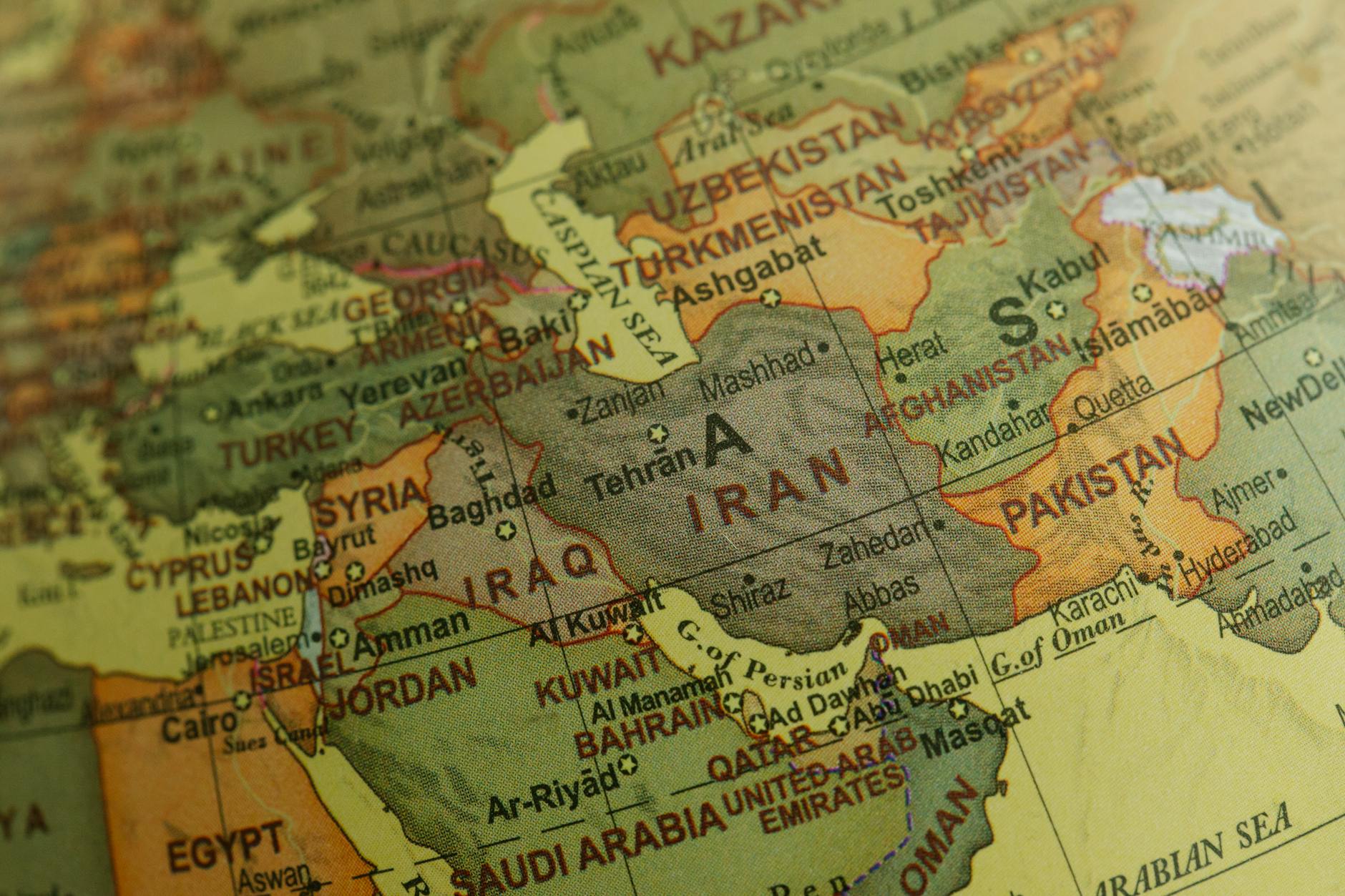
The Middle East has long been a linchpin in global trade, controlling some of the world’s most critical shipping routes. The <b>Strait of Hormuz</b> and the <b>Suez Canal</b> serve as vital arteries for oil transportation, connecting Asia, Africa, and Europe. These maritime chokepoints are not just geographic features; they are the lifelines of global commerce. Any disruption here can send shockwaves through energy markets, impacting everything from consumer prices to corporate profits.
Historically, the region’s strategic importance has been recognized by powers across the globe. From ancient trade routes to modern-day conflicts, the Middle East has always been a focal point for economic interests. Today, with tensions escalating between key players like the U.S. and Iran, the stakes are higher than ever. Understanding this historical context is essential for business leaders aiming to navigate the complexities of international trade.
Advertisement
Loading partner content...
### The Chokepoint Effect: Why Maritime Routes Matter
The <b>Strait of Hormuz</b> and the <b>Suez Canal</b> are more than just geographical landmarks—they are the jugular veins of the global economy. Every day, millions of barrels of oil traverse these narrow passages, connecting the resource-rich regions of the Middle East to the industrial demand centers of Asia and Europe.
A single disruption in these routes can lead to immediate and significant market volatility. For instance, during periods of heightened tension, shipping companies may impose higher fees or delay deliveries, increasing operational costs for businesses reliant on these pathways. As a result, companies must continuously reassess their logistics strategies to mitigate risks.
The <b>Suez Canal</b>, connecting the Mediterranean to the Red Sea, is another critical node. Its control has historically influenced global trade flows, and its management remains a key factor in determining energy prices. For Indian businesses, especially those in manufacturing and export sectors, understanding these dynamics is vital for maintaining competitiveness.
### The Oil-Conflict Correlation: Volatility in Crude Prices
Advertisement
Loading partner content...
When <a href="/article/navigating-geopolitical-tensions-a-strategic-response-to-israeli-criticism" title="Navigating Geopolitical Tensions: A Strategic Response to Israeli Criticism" class="internal-link">geopolitical tensions</a> flare, so too does the volatility in oil markets. The recent escalations in the Middle East have triggered sharp fluctuations in crude oil prices, directly impacting inflation and consumer spending. According to industry analysts, a single week of conflict can see oil prices swing by several percent, affecting everything from airline fares to smartphone pricing.
For Indian businesses, this means that energy cost fluctuations can have a direct impact on profit margins. Companies in energy-intensive sectors must adapt by renegotiating contracts, diversifying suppliers, or investing in energy-efficient technologies. The <b>oil-market correlation</b> is not just an academic concept—it is a real-world challenge that demands strategic planning.
Moreover, the correlation between political instability and energy prices underscores the need for businesses to stay informed about global developments. By monitoring geopolitical trends, Indian enterprises can better anticipate market shifts and adjust their strategies accordingly.
### Beyond Oil: Ripple Effects on Global Supply Chains
The impact of Middle East conflicts extends far beyond oil prices. Global supply chains, which are increasingly interconnected, are vulnerable to disruptions. Whether it’s a shipment delayed due to port closures or a sudden spike in freight costs, businesses must be prepared for the ripple effects.
Advertisement
Loading partner content...
The <b>supply chain risks</b> associated with regional tensions are becoming more pronounced. Companies are now adopting more resilient strategies, such as diversifying suppliers or investing in regional production hubs. This shift is especially critical for Indian businesses aiming to reduce dependency on external markets.
Additionally, <b>shipping insurance</b> costs have risen in tandem with geopolitical uncertainty. As insurance premiums increase, businesses must factor these expenses into their financial planning. For Indian entrepreneurs, this means a more cautious approach to international trade—balancing risk with opportunity.
Inflation is another key concern. As energy prices rise, the cost of goods and services increases, eroding purchasing power. For Indian consumers <a href="/article/how-iran-israel-war-impacts-indian-economy-and-businesses-india-s-strategic-response" title="How Iran-Israel War Impacts Indian Economy and Businesses: India's Strategic Response" class="internal-link">and businesses</a> alike, this necessitates a reevaluation of pricing strategies and cost management. Understanding these dynamics allows companies to maintain stability in an unpredictable environment.
Advertisement
Loading partner content...
### The Investor's Playbook: Pricing Geopolitical Risk
Investors are increasingly recognizing that geopolitical risk is not just a peripheral concern but a core component of financial decision-making. The recent Middle East conflicts have demonstrated how political instability can translate into market volatility, affecting everything from stock valuations to currency exchange rates.
To navigate this landscape, businesses must integrate geopolitical risk analysis into their investment strategies. This involves staying informed about global developments, assessing potential impacts on supply chains, and preparing contingency plans. For Indian investors, this means a more strategic approach to portfolio diversification and risk mitigation.
One effective strategy is to hedge against currency fluctuations and commodity price volatility. By leveraging financial instruments and maintaining flexible contracts, businesses can protect themselves against unexpected market shifts. The <b>investor’s playbook</b> emphasizes the importance of agility and foresight in an era of constant change.
### Future Outlook: Stability or Chronic Volatility?
Advertisement
Loading partner content...
Looking ahead, the Middle East remains a focal point of geopolitical tension. Analysts suggest that while the immediate risks may persist, there are opportunities for long-term stability through innovation and adaptation.
As the global economy transitions toward renewable energy, the Middle East’s role may evolve. Nations investing in solar, wind, and hydrogen technologies are positioning themselves as future leaders in the energy sector. For Indian businesses, this presents a unique opportunity to align with sustainable energy trends while mitigating exposure to traditional fossil fuel markets.
The shift toward renewables also offers a buffer against regional conflicts. By reducing reliance on oil, companies can build more resilient supply chains and insulate themselves from the volatility of geopolitical hotspots. This transition is not just a response to current challenges—it is a strategic move for future prosperity.
### Conclusion: Navigating the Tides of Geopolitics
In conclusion, the <b>Middle East geopolitics</b> and <b>oil market volatility</b> are inextricably linked to the economic health of India and the global business community. As tensions continue to shape the region, businesses must embrace a proactive mindset, leveraging data, innovation, and strategic foresight to thrive.
Advertisement
Loading partner content...
For Indian leaders, the key lies in understanding these dynamics and adapting swiftly to changing conditions. By prioritizing risk management, diversifying supply chains, and investing in sustainable solutions, companies can turn geopolitical challenges into opportunities for growth.
Let’s embrace this era of uncertainty with confidence, knowing that the future is not just about reacting to storms but steering through them with wisdom and resilience.
[Image 1: Map highlighting <a href="/article/how-the-reopening-of-the-strait-of-hormuz-could-reshape-global-oil-markets-a-complete-guide" title="How the Reopening of the Strait of Hormuz Could Reshape Global Oil Markets: A Complete Guide" class="internal-link">the Strait of Hormuz</a> and the Suez Canal, emphasizing their global economic significance]
[Image 2: Infographic showing oil market volatility and its impact on global prices]
[Image 3: Diagram illustrating global supply chain disruptions caused by regional conflicts]
[Image 4: Portrait of a business leader strategizing amid geopolitical uncertainty]
By integrating these insights into daily decision-making, Indian businesses can not only survive but flourish in an ever-evolving global landscape. The path forward is clear—stay informed, stay prepared, and shape your success in this dynamic world.
<p>This comprehensive analysis underscores the importance of understanding geopolitical dynamics for sustainable business growth. Whether you're navigating complex supply chains or investing in emerging technologies, the lessons from the Middle East remind us that the future belongs to those who adapt.</p>
Advertisement
Loading partner content...
<p>Stay tuned for more insights on how global events shape your business strategy.</p>
<p>For further reading, explore our platform on [Wikimedia] to access in-depth reports and expert analyses on regional conflicts and their economic implications.</p>