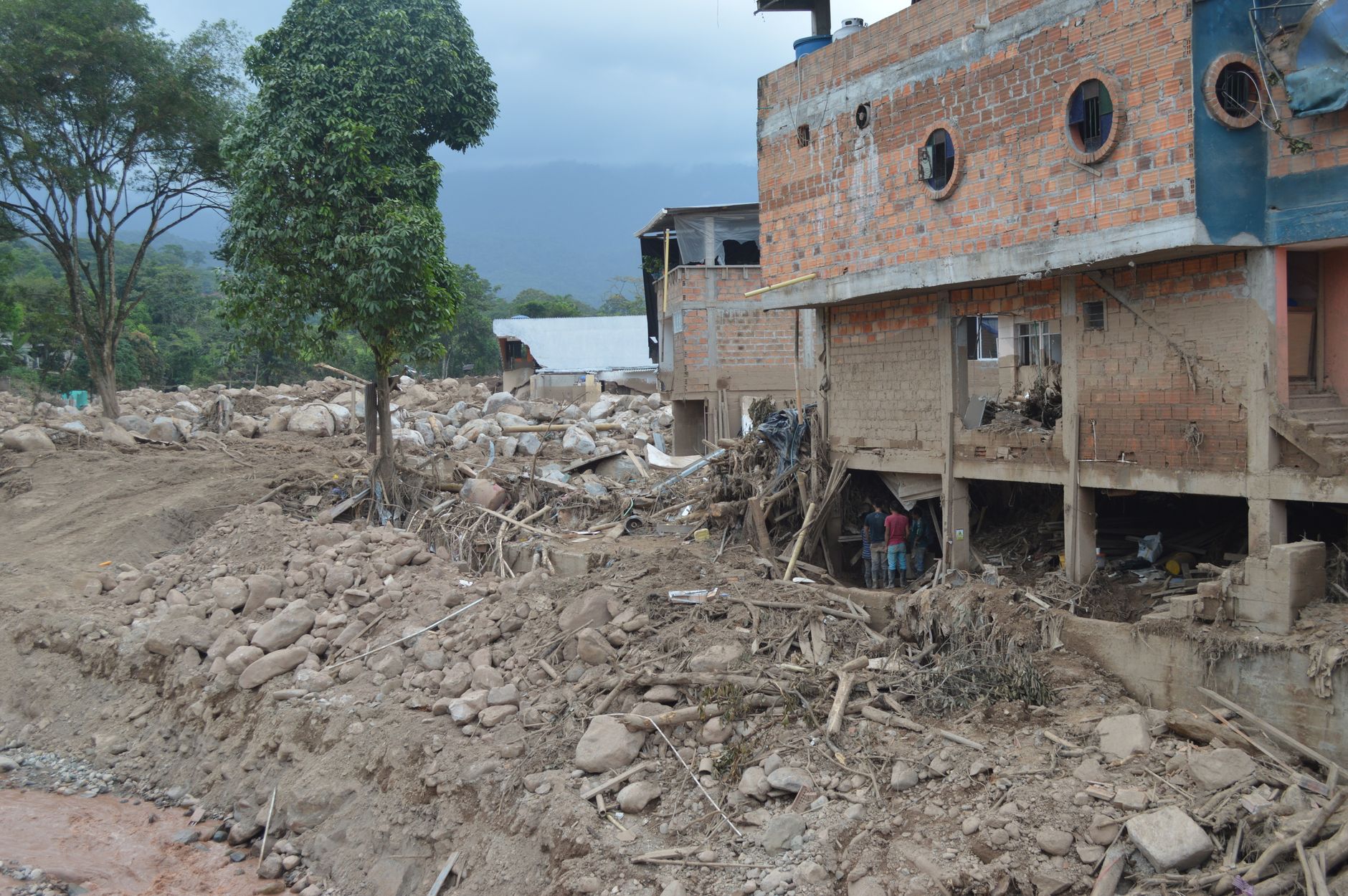
<h1>The Science of Survival: <a href="/article/colombia-s-deadly-earthquake-a-comprehensive-guide-to-the-largest-quake-in-years-its-history-impact-" title="Colombia's Deadly Earthquake: A Comprehensive Guide to the Largest Quake in Years, Its History, Impact, and Preparedness" class="internal-link">A Comprehensive Guide to</a> Earthquake Preparedness and Seismic Safety</h1>
<p>Earthquakes strike without warning, but understanding the forces behind them empowers communities to respond with confidence. This <a href="/article/mastering-time-management-a-self-help-guide-for-indian-professionals" title="Mastering Time Management: A Self-Help Guide for Indian Professionals" class="internal-link">guide</a> translates complex seismic science into practical steps that every Indian household can adopt. By the end, you will know how tectonic plate movements shape our world, how to react when the ground shakes, and how future technology will protect lives. Prepare yourself with knowledge that turns fear into actionable safety.</p>
<h2>The Anatomy of a Quake</h2>
<h3>Tectonic Plate Movements and Subduction Zones</h3>
<p>Earth’s outer shell is divided into massive <b>tectonic plates</b> that constantly shift. When plates collide, slide, or pull apart, stress builds until it is released as seismic energy. South America sits on the western edge of the Nazca Plate, which subducts beneath the South American Plate, creating a hotspot for powerful tremors.</p>
<p>These subduction zones generate the deepest and most energetic earthquakes, a fact that explains the frequent seismic activity in Chile and western Colombia. The process is a natural <b>seismic activity guide</b> that geologists study to predict where stress may accumulate.</p>
<p>Understanding the geometry of these plates helps engineers design structures that can withstand shaking. <a href="/article/effective-leadership-strategies-for-modern-workplaces-in-india" title="Effective Leadership Strategies for Modern Workplaces in India" class="internal-link">In India</a>, the collision of the Indian Plate with the Eurasian Plate produces earthquakes in the Himalayas, reminding us that seismic risk is a global phenomenon.</p>
<h3>Measuring Earthquake Magnitude</h3>
<p>Magnitude quantifies the energy released, not the intensity felt at a location. The Richter scale, once popular, has been replaced by moment magnitude (Mw) for greater accuracy. Scientists calculate Mw using data from seismographs that record ground motion.</p>
<p>Each whole number increase on the magnitude scale represents roughly a 32‑fold increase in energy. A magnitude 6.0 quake thus releases far more energy than a magnitude 5.0 event, making precise measurement critical for risk assessment.</p>
<p>Modern instruments also provide rapid alerts, allowing early warnings seconds before strong shaking arrives. These seconds can be the difference between life and death in densely populated zones.</p>
Advertisement
Loading partner content...
<table border="1" cellpadding="5" cellspacing="0">
<tr><th>Magnitude</th><th>Energy Release (TNT Equivalent)</th><th>Typical Damage</th></tr>
<tr><td>3.0</td><td>~1 kiloton</td><td>Often felt, minor damage</td></tr>
<tr><td>5.0</td><td>~1 megaton</td><td>Light to moderate damage</td></tr>
<tr><td>6.5</td><td>~30 megatons</td><td>Serious structural damage</td></tr>
<tr><td>7.5+</td><td>~1 gigaton</td><td>Catastrophic collapse</td></tr>
</table>
<h2>The History of Devastation</h2>
<p>Throughout history, earthquakes have reshaped cities and forced nations to rethink urban planning. The 1931 Napier earthquake in New Zealand led to stricter building codes, while the 2010 Haiti quake exposed vulnerabilities in infrastructure. In Colombia, the 1999 earthquake in Armenia prompted nationwide retrofitting programs that saved countless lives.</p>
<p>These events illustrate how seismic activity can act as a catalyst for progress. By studying past disasters, policymakers can adopt <b>earthquake safety tips</b> that prioritize resilient design and community education.</p>
<p>In India, the 2001 Bhuj earthquake taught valuable lessons about the importance of early warning systems and public drills. The tragedy underscored the need for a national <b>seismic activity guide</b> that integrates scientific research with grassroots preparedness.</p>
<blockquote>“Preparedness is not a luxury; it is a necessity when the earth decides to move.” – Dr. Aisha Patel, Seismologist</blockquote>
<h2>The Immediate Aftermath</h2>
<h3>What to Do During and After Tremors</h3>
<p>When the ground begins to shake, remember the three‑step mantra: <b>Drop, Cover, and Hold On</b>. Drop to your hands and knees to prevent being knocked over. Cover your <a href="/article/the-great-indian-tech-kitchen-why-kubernetes-is-your-new-head-chef" title="The Great Indian Tech Kitchen: Why Kubernetes is Your New Head Chef" class="internal-link">head</a> and neck with your arms, and protect your vital organs with a sturdy piece of furniture.</p>
<p>Hold on until the shaking stops, then quickly assess your surroundings. If you are outdoors, move to an open area away from buildings, trees, and streetlights. If you are driving, pull over safely and stay inside the vehicle.</p>
<p>After the shaking ceases, check for injuries and extinguish any fires. Use a battery‑powered radio to receive official updates and avoid using elevators.</p>
<ol>
<li>Drop to the ground.</li>
<li>Cover your head and neck.</li>
<li>Hold on until the shaking stops.</li>
<li>Evacuate if necessary.</li>
</ol>
<p>These steps form the core of any effective <b>earthquake safety tips</b> checklist for individuals and families.</p>
Advertisement
Loading partner content...
<h2>Preparing Your Home</h2>
<h3>Seismic Retrofitting Checklist</h3>
<p>Strengthening your residence can dramatically reduce damage during a quake. Start by securing heavy furniture to wall studs with brackets. Reinforce cripple walls with plywood sheathing to add lateral stability.</p>
<p>Next, examine your home’s foundation for cracks and seal them with epoxy. Install flexible gas connectors to prevent leaks that could ignite after a tremor.</p>
<p>Finally, store emergency supplies in an easily accessible location. A well‑stocked kit should include water, non‑perishable food, a first‑aid kit, flashlights, and a multi‑tool.</p>
<ul>
<li>Secure bookshelves and cabinets.</li>
<li>Anchor water heaters and gas appliances.</li>
<li>Install seismic shut‑off valves.</li>
<li>Create a family communication plan.</li>
</ul>
<p>Regularly review and update this checklist to ensure every household member knows their role.</p>
<h2>The Future of Seismic Tech</h2>
<h3>AI, Early Warning Systems, and Advanced Engineering</h3>
<p>Artificial intelligence now processes massive streams of seismic data to predict aftershocks and estimate shaking intensity in real time. These AI models can trigger automatic alerts to smartphones, giving users precious seconds to take cover.</p>
<p>Next‑generation early warning systems, such as India’s <em>Sahasra</em> platform, integrate satellite data with ground sensors to provide nationwide alerts. Engineers are also experimenting with base‑isolators and energy‑dissipating devices that allow buildings to sway safely during tremors.</p>
<p>These innovations promise a future where <b>earthquake preparedness</b> is proactive rather than reactive. By investing in research and public education, societies can transform seismic risk into a manageable challenge.</p>
<figure class="my-8 overflow-hidden rounded-3xl shadow-xl">
<img src="https://images.pexels.com/photos/29870165/pexels-photo-29870165.jpeg?auto=compress&cs=tinysrgb&dpr=2&h=650&w=940" alt="tectonic plates" class="w-full h-[400px] object-cover" />
</figure>
<figure class="my-8 overflow-hidden rounded-3xl shadow-xl">
<img src="https://images.unsplash.com/photo-1563260324-5ebeedc8af7c?crop=entropy&cs=tinysrgb&fit=max&fm=jpg&ixid=M3w4NjI1Nzh8MHwxfHNlYXJjaHwxfHxlYXJ0aHF1YWtlJTIwc2FmZXR5JTIwa2l0fGVufDB8MHx8fDE3ODY0MTIzOTl8MA&ixlib=rb-4.1.0&q=80&w=1080" alt="earthquake safety kit" class="w-full h-[400px] object-cover" />
</figure>
<figure class="my-8 overflow-hidden rounded-3xl shadow-xl">
<img src="https://images.pexels.com/photos/36436237/pexels-photo-36436237.jpeg?auto=compress&cs=tinysrgb&dpr=2&h=650&w=940" alt="seismic retrofitting" class="w-full h-[400px] object-cover" />
</figure>
<figure class="my-8 overflow-hidden rounded-3xl shadow-xl">
<img src="https://gizmodo.com/app/uploads/2026/07/Fiber-Optic-Cables-Earthquake-Detection-1200x675.jpg" alt="early warning system" class="w-full h-[400px] object-cover" />
</figure></b></i></i></i></i>