<h1>The <a href="/article/how-iran-israel-war-impacts-indian-economy-and-businesses-india-s-strategic-response" title="How Iran-Israel War Impacts Indian Economy and Businesses: India's Strategic Response" class="internal-link">War</a> Powers Resolution: A Political Earthquake or a New Framework for U.S. Foreign Policy?</h1>
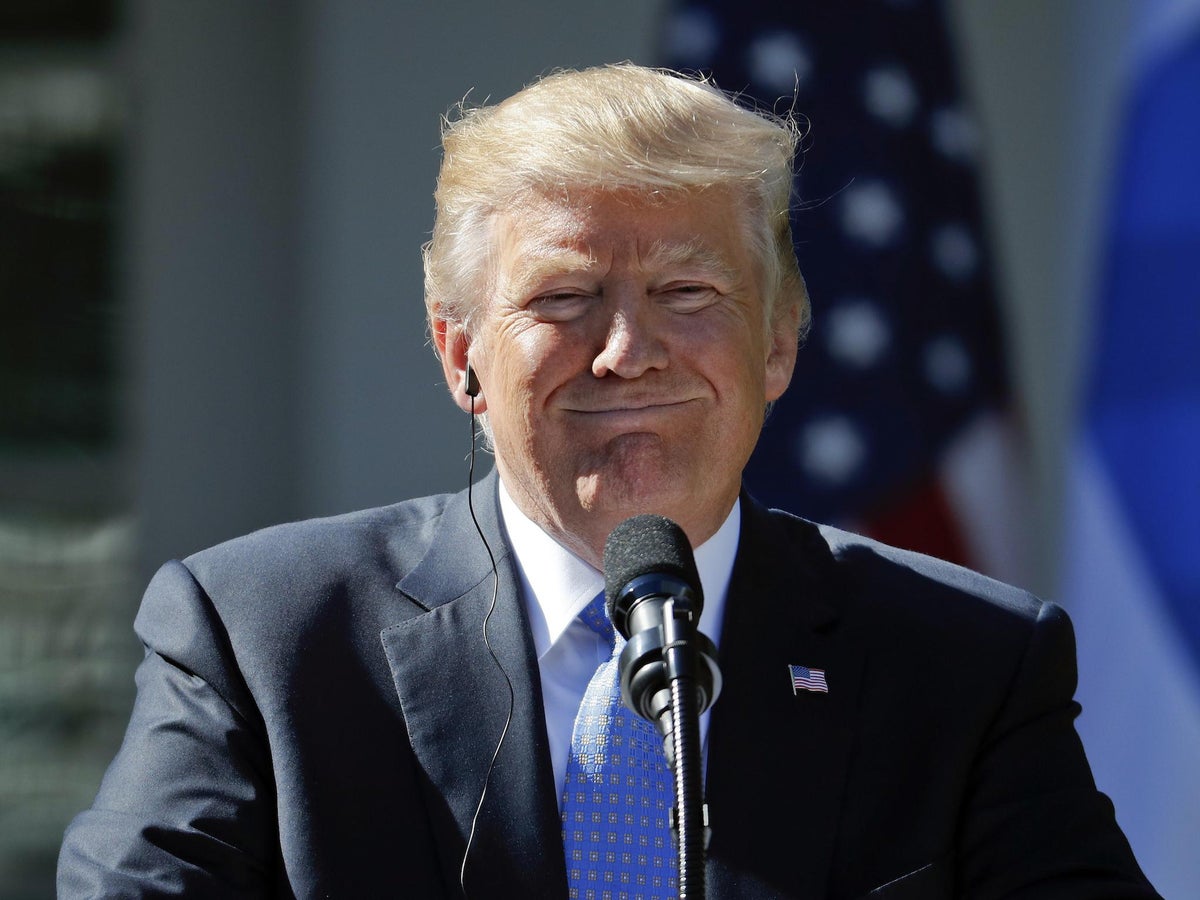
<p>When the U.S. Senate voted to approve a fresh War Powers resolution in the wake of President Donald Trump’s escalatory moves against Iran, the world took notice. The decision revives a legislative tool born in the post‑Vietnam era, yet it arrives at a moment when American foreign policy is being reshaped by populist rhetoric, digital diplomacy, and an increasingly skeptical electorate. This article unpacks the origins of the War Powers Resolution, dissects the Trump‑Iran episode, and asks whether the Senate’s action signals a lasting <a href="/article/the-strategic-shift-how-trump-s-envoy-is-redefining-u-s-iran-diplomacy-and-what-it-means-for-global-" title="The Strategic Shift: How Trump’s Envoy Is Redefining U.S.-Iran Diplomacy and What It Means for Global Markets" class="internal-link">shift</a> toward congressional assertiveness or simply a fleeting political maneuver.</p>
<figure class="my-8 overflow-hidden rounded-3xl shadow-xl">
<img src="https://images.unsplash.com/photo-1581097543550-b3cbe2e6ea6e?crop=entropy&cs=tinysrgb&fit=max&fm=jpg&ixid=M3w4NjI1Nzh8MHwxfHNlYXJjaHwxfHxXYXIlMjBQb3dlcnMlMjBSZXNvbHV0aW9uJTIwQ2FwaXRvbCUyMEhpbGx8ZW58MHwwfHx8MTc4MjI3MTg3OHww&ixlib=rb-4.1.0&q=80&w=1080" alt="War Powers Resolution Capitol Hill" class="w-full h-[400px] object-cover" />
</figure>
Advertisement
Loading partner content...
<h2>1. Origins and Evolution of the War Powers Resolution Since 1973</h2>
<p>The War Powers Resolution (WPR) was enacted on November 7, 1973, amidst growing congressional anger over the Vietnam War’s unchecked expansion. Its primary purpose was to restore the constitutional balance that the Founders envisaged: the President commands the military, but only with the Senate’s “Advice and Consent” on declarations of war.</p>
<ul>
<li><b>Key Legislative Milestones:</b></li>
<li>1973 – Original passage, requiring the President to notify Congress within 48 hours of deploying armed forces into hostilities.</li>
<li>1975 – The "50‑day" rule added, mandating withdrawal unless Congress authorizes continued action.</li>
<li>1991 – The Gulf War saw the first <a href="/article/major-controversies-during-donald-trump-presidency" title="Major Controversies During Donald Trump’s Presidency" class="internal-link">major</a> test; Congress passed a joint resolution authorizing force, effectively sidestepping the WPR’s constraints.</li>
<li>2001‑2003 – Post‑9/11 interventions in Afghanistan and Iraq highlighted the resolution’s weak enforcement mechanisms.</li>
</ul>
<p>Despite its lofty intent, the WPR has often been treated as a “paper tiger.” Presidents have routinely issued “consultations” that skirt the law, and courts have been reluctant to declare a violation. Yet the resolution endures as a symbolic reminder that the Constitution does not grant the Executive an unchecked right to wage war.</p>
Advertisement
Loading partner content...
<h2>2. Trump’s Iran Conflict: The Spark That Ignited Senate Action</h2>
<p>In early 2020, tensions between Washington and Tehran reached a boiling point. S. S. troops.</p>
<p>President Trump announced a “maximum pressure” campaign, threatening further strikes without seeking a formal congressional vote.</p>
<blockquote>“The President has the authority to act in the national interest, but he does not have the authority to circumvent the Constitution,” said Sen. Kyrsten Sinema (D‑AZ) during a closed‑door briefing.</blockquote>
<p>The Senate’s response was swift. On June 15, 2020, a bipartisan group introduced a resolution—later dubbed the “War Powers Restoration Act”—that would require the President to obtain explicit congressional approval before any further military escalation against Iran. The vote, 62‑38, marked the first time the Senate formally endorsed a new war‑powers measure since 1973.</p>
Advertisement
Loading partner content...
<ul>
<li><b>Why the move was unprecedented:</b></li>
<li>It targeted a specific, ongoing conflict rather than a generic procedural amendment.</li>
<li>It was driven by a coalition of both Democrats and moderate Republicans uneasy with Trump’s unilateral style.</li>
<li>It leveraged public fatigue over endless overseas engagements, amplifying grassroots pressure.</li>
</ul>
<h2>3. Breakdown of the Resolution’s Key Provisions</h2>
<p>The 2020 resolution introduced several concrete legal requirements that tighten executive leeway:</p>
<ol>
<li><b>Immediate Notification:</b> The President must submit a written report to both chambers within 12 hours of any hostile action involving U.S. forces.</li>
<li><b>Congressional Review Window:</b> A 48‑hour period for the Senate and House to debate the report, followed by a 72‑hour “cool‑off” before any further strikes.</li>
<li><b>Mandatory Authorization:</b> No additional military force may be deployed beyond the initial engagement without a joint resolution passing both houses.</li>
<li><b>Transparency Clause:</b> All classified intelligence used to justify the strike must be summarized for congressional oversight committees, preserving national security while ensuring accountability.</li>
<li><b>Enforcement Mechanism:</b> The resolution empowers the Comptroller General to audit compliance and report violations to the Government Accountability Office (GAO).</li>
</ol>
Advertisement
Loading partner content...
<p><b>This framework essentially forces the President to treat every escalation as a “new war” requiring fresh legislative consent.</b> It stands in stark contrast to prior practice where presidents could claim limited “authorizations” and operate under ambiguous timelines.</p>
<h2>4. Comparative Study: Past Congressional Pushbacks</h2>
<p>While the 2020 Senate action is historic, it is not without precedent. Two earlier episodes illustrate how Congress has attempted to rein in presidential military adventurism:</p>
<table>
<thead>
<tr><th>Year</th><th>Conflict</th><th>Congressional Response</th><th>Outcome</th></tr>
</thead>
<tbody>
<tr><td>1975</td><td>Vietnam (Post‑Ceasefire)</td><td>War Powers Resolution (1973) enforcement attempts</td><td>Limited; President continued limited bombing.</td></tr>
<tr><td>1998</td><td>Kosovo</td><td>Congress passed the “War Powers Resolution Enforcement Act” demanding a vote before NATO bombing.</td><td>President proceeded; legal challenge dismissed.</td></tr>
<tr><td>2003</td><td>Iraq</td><td>Joint Resolution authorizing force (Resolution 144)</td><td>Provided formal backing, but critics argue it was rushed.</td></tr>
</tbody>
</table>
<p>In each case, congressional pushback either softened the executive’s maneuver or, at best, forced a public debate. What distinguishes the 2020 resolution is its specificity to a single adversary and its built‑in compliance audit—a level of detail never seen before.</p>
Advertisement
Loading partner content...
<h2>5. Expert Opinions: Shift or One‑Time Political Move?</h2>
<p>Scholars are divided. Some view the resolution as a watershed moment for legislative oversight; others caution that it may dissolve once the political winds change.</p>
<p><b>Professor Lawrence Miller, constitutional law expert at Georgetown University, argues:</b></p>
<blockquote>“If the administration respects the reporting deadlines and the GAO audits reveal compliance, we could be witnessing a new equilibrium where the Executive cannot act without a clear congressional mandate. That would be a profound re‑balancing of war‑making authority.”</blockquote>
<p>Conversely, former Pentagon official <b>Ret. Gen. John Allen</b> warns:</p>
Advertisement
Loading partner content...
<blockquote>“Congress has a history of passing symbolic resolutions that evaporate under pressure. The real test will be whether the next administration honors the 48‑hour deliberation rule when political stakes are higher.</blockquote>
<p>Public opinion polls conducted by the Pew Research Center in July 2020 show that 58 % of Americans favor stricter congressional oversight of military actions, up from 42 % in 2018. This surge reflects a broader appetite for transparency, especially after the protracted wars in Afghanistan and Iraq.</p>
<h2>6. Broader Societal Implications</h2>
<h3>Public Opinion and the War‑Weariness Factor</h3>
<p><a href="/article/why-gen-z-is-redefining-work-marriage-and-success-in-india" title="Why Gen Z Is Redefining Work, Marriage, and Success in India" class="internal-link">India</a>’s diaspora, long attuned to U.S. foreign policy, mirrors the global sentiment: a desire for diplomatic solutions over kinetic ones. A 2021 survey by the Indian Council of World Affairs found that 63 % of Indian respondents believed the U.S. should seek multilateral avenues before resorting to force in the Middle East.</p>
Advertisement
Loading partner content...
<ul>
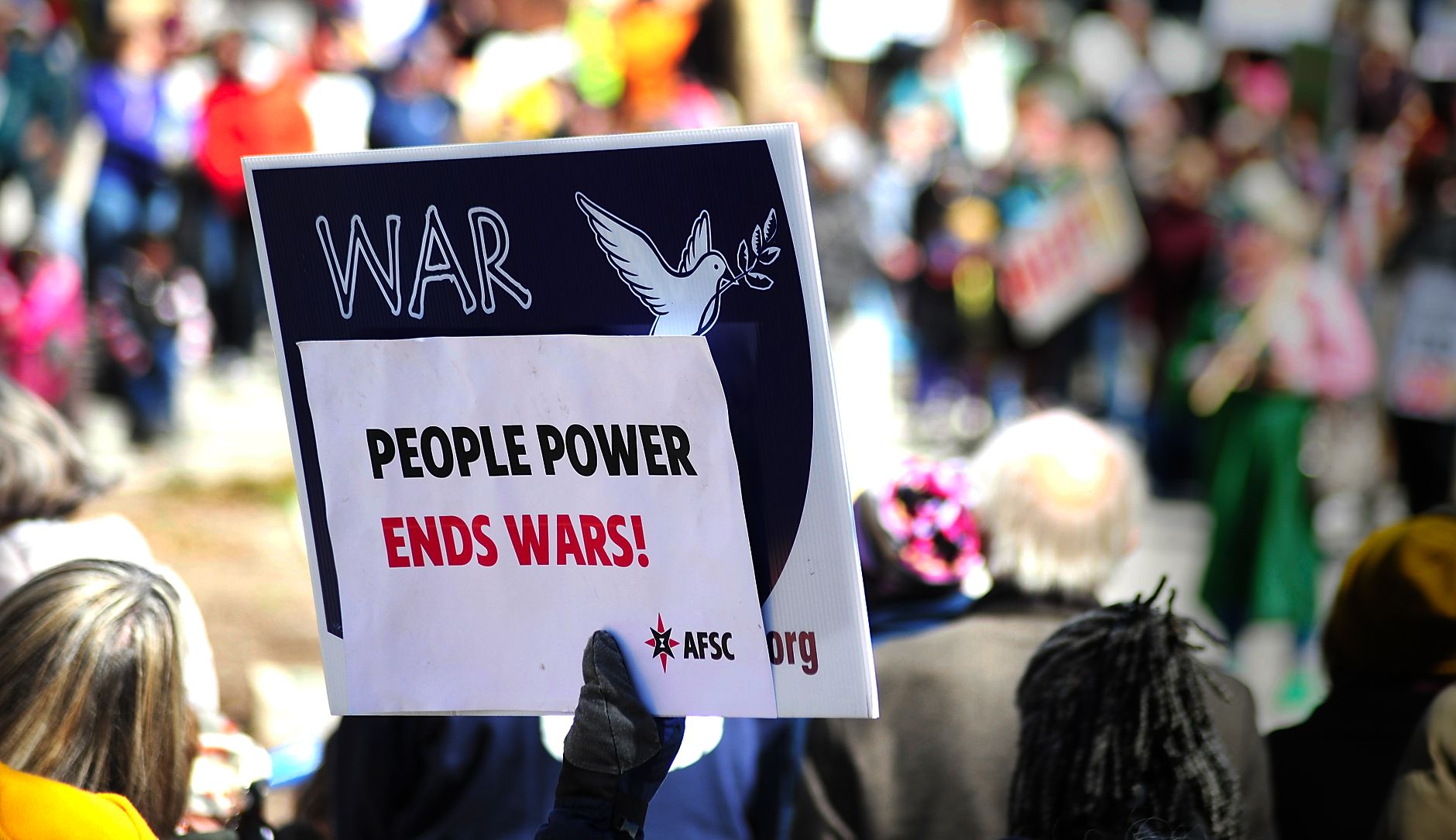
<li>War‑weariness fuels grassroots activism, as seen in the “No More Endless Wars” rallies across major Indian cities.</li>
<li><a href="/article/mastering-social-media-strategy-in-india-a-comprehensive-guide" title="Mastering Social Media Strategy in India: A Comprehensive Guide" class="internal-link">Social media</a> amplifies dissent; hashtags like #CheckThePresident trended in Mumbai and Delhi during the Senate vote.</li>
</ul>
<h3>Media Coverage Dynamics</h3>
<p>Traditional outlets such as <i>The New York Times</i> and <i>The Washington Post</i> framed the resolution as “a bold check on presidential power,” while right‑leaning networks labeled it “political theater.” Indian English‑language portals (e.g., <i>The Hindu</i>, <i>Times of India</i>) highlighted the potential impact on Indo‑U.S. strategic cooperation, noting that any delay in U.S. action could affect joint naval exercises in the Indian Ocean.</p>
Advertisement
Loading partner content...
<h3>Potential Future Conflicts</h3>
<p>Looking ahead, the resolution could serve as a template for confronting emerging flashpoints—whether it be cyber‑warfare against North Korea, drone strikes in the Sahel, or humanitarian interventions in Myanmar. By codifying a rapid‑response review, Congress may better align military decisions with democratic legitimacy.</p>
<p><b>If the framework proves effective, it could become a cornerstone of U.S. foreign policy, compelling future presidents to negotiate with Congress before each major strike.</b> Conversely, a failure to enforce the provisions could re‑reinforce the narrative that war powers are merely ceremonial.</p>
<h2>Conclusion: A New Chapter or a Temporary Tremor?</h2>
<p>The Senate’s 2020 War Powers resolution stands at the crossroads of constitutional theory, political strategy, and public sentiment. Its success hinges on three factors:</p>
Advertisement
Loading partner content...
<ol>
<li>Executive willingness to submit to the new reporting and authorization timeline.</li>
<li>Congressional resolve to enforce compliance through GAO audits and, if necessary, funding cuts.</li>
<li>Continued public pressure demanding accountability for every use of force.</li>
</ol>
<p>For India’s policymakers and scholars, the episode offers a case study in how democratic institutions can recalibrate the balance of power in an era of rapid, often unilateral, military decision‑making. Whether this marks a lasting transformation or a fleeting political earthquake will be judged by the next generation of leaders who must decide: <b>Will the United States choose war or law?</b></p>
<figure class="my-8 overflow-hidden rounded-3xl shadow-xl">
<img src="https://images.pexels.com/photos/31282456/pexels-photo-31282456.jpeg?auto=compress&cs=tinysrgb&dpr=2&h=650&w=940" alt="Congressional debate" class="w-full h-[400px] object-cover" />
</figure>
<figure class="my-8 overflow-hidden rounded-3xl shadow-xl">
<img src="https://images.unsplash.com/photo-1588450248442-1c8357368dba?crop=entropy&cs=tinysrgb&fit=max&fm=jpg&ixid=M3w4NjI1Nzh8MHwxfHNlYXJjaHwxfHxNaWxpdGFyeSUyMGJyaWVmaW5nfGVufDB8MHx8fDE3ODIyNzE4Nzh8MA&ixlib=rb-4.1.0&q=80&w=1080" alt="Military briefing" class="w-full h-[400px] object-cover" />
</figure>
<figure class="my-8 overflow-hidden rounded-3xl shadow-xl">
<img src="https://images.pexels.com/photos/1464222/pexels-photo-1464222.jpeg?auto=compress&cs=tinysrgb&dpr=2&h=650&w=940" alt="Donald Trump Iran conflict" class="w-full h-[400px] object-cover" />
</figure></b></b></b></i></i></i></i>