<h1>From Insult to Identity: <a href="/article/the-power-of-the-youth-a-deep-dive-into-the-history-and-impact-of-student-activism-in-india" title="The Power of the Youth: A Deep Dive into the History and Impact of Student Activism in India" class="internal-link">The History and</a> Symbolism Behind India’s Cockroach Movement</h1>
<p>The word “Cockroach” exploded across Indian social media in early 2026 after a senior leader’s derogatory remark about dissenters. Within days, the insult was reborn as a unifying banner for citizens demanding accountability. This viral shift illustrates how a single epithet can transform into a powerful political identity.</p>
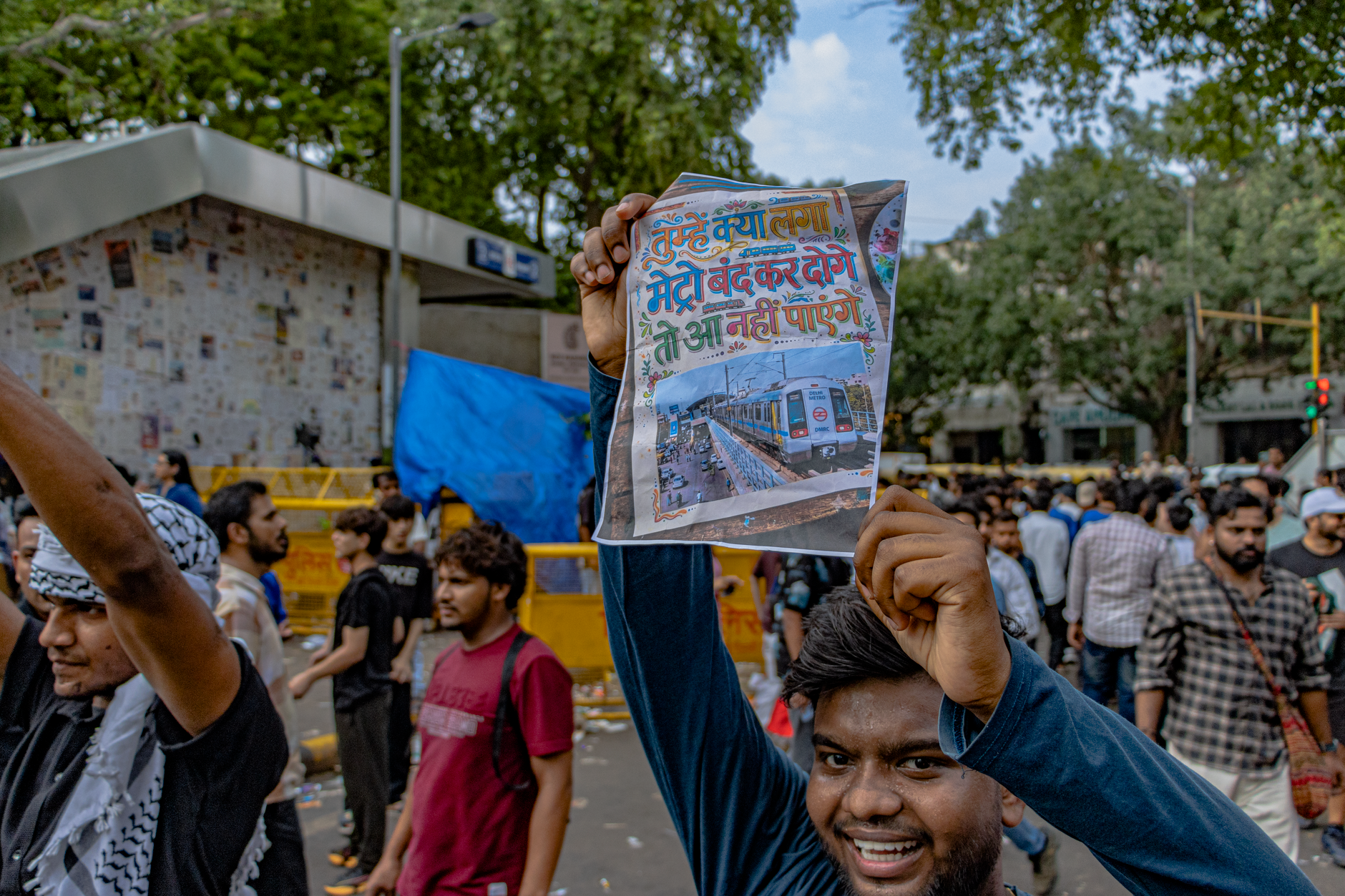
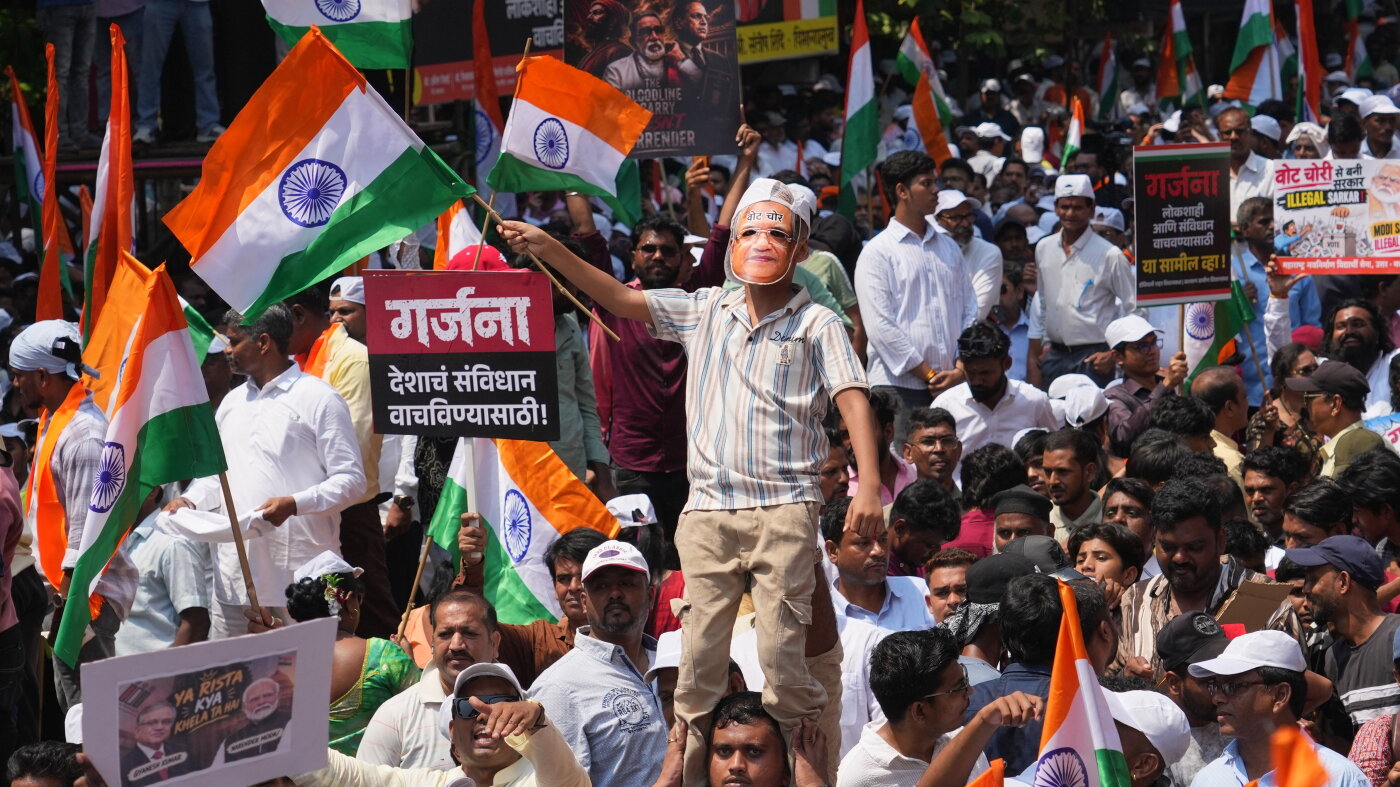
<p>From street rallies to hashtag campaigns, the movement has captured the imagination <a href="/article/the-pulse-of-youth-how-the-jantar-mantar-protests-are-redefining-environmental-activism-in-india" title="The Pulse of Youth: How the Jantar Mantar Protests Are Redefining Environmental Activism in India" class="internal-link">of youth</a>, activists, and even senior politicians. Its rapid adoption shows the potency of metaphor in shaping public discourse in contemporary India.</p>
<figure class="my-8 overflow-hidden rounded-3xl shadow-xl">
<img src="https://images.pexels.com/photos/11622840/pexels-photo-11622840.jpeg?auto=compress&cs=tinysrgb&dpr=2&h=650&w=940" alt="protest" class="w-full h-[400px] object-cover" />
</figure>
Advertisement
Loading partner content...
<h2>Origins: From Insult to Mobilization</h2>
<p>In a televised speech during the 2021-2022 anti‑corruption surge, Home Minister Amit Shah referred to opposition protesters as “cockroaches” who thrive in the shadows of governance. The comment, delivered in a charged tone, was meant to delegitimize the demonstrators, but it inadvertently highlighted a deep public frustration with perceived systemic corruption.</p>
<p>Political analysts note that the timing coincided with a series of high‑profile scandals involving state officials, making the metaphor resonate with a populace already weary of impunity. The phrase quickly migrated from broadcast screens to WhatsApp groups, where it was repurposed as a badge of resistance.</p>
<blockquote> “When you call someone a cockroach, you acknowledge its persistence, not its worth.” — Anonymous activist, 2026</blockquote>
<h2>The Semiotics <a href="/article/the-rise-of-the-cockroach-janta-party-india-s-quirky-political-movement-protest-culture-and-legal-ba" title="The Rise of the Cockroach Janta Party: India’s Quirky Political Movement, Protest Culture, and Legal Battles" class="internal-link">of the</a> Metaphor</h2>
Advertisement
Loading partner content...
<h3>Invisibility and Resilience</h3>
<p><a href="/article/dipke-and-the-cockroach-janta-party-the-unconventional-force-reshaping-indian-politics" title="Dipke and the Cockroach Janta Party: The Unconventional Force Reshaping Indian Politics" class="internal-link">The cockroach</a> is <b>an organism that survives in the darkest corners</b> and endures despite attempts to eradicate it. This duality made the metaphor attractive to those who felt invisible in mainstream politics yet resilient in their fight for transparency.</p>
<h3>Ubiquity of Corruption</h3>
<p>Just as cockroaches are found in every household, citizens perceive corruption as a pervasive presence in bureaucratic institutions. The metaphor therefore encapsulated a collective sense that the problem was not isolated but systemic, demanding a comprehensive response.</p>
<ul>
<li>Invisibility – the hidden nature of both cockroaches and corrupt practices.</li>
<li>Resilience – their ability to survive extermination attempts.</li>
<li>Ubiquity – the omnipresence of the issue across regions and sectors.</li>
</ul>
Advertisement
Loading partner content...
<figure class="my-8 overflow-hidden rounded-3xl shadow-xl">
<img src="https://images.unsplash.com/photo-1727198634627-645ef5356455?crop=entropy&cs=tinysrgb&fit=max&fm=jpg&ixid=M3w4NjI1Nzh8MHwxfHNlYXJjaHwxfHxjb2Nrcm9hY2h8ZW58MHwwfHx8MTc5MTYzMzQ2NXww&ixlib=rb-4.1.0&q=80&w=1080" alt="cockroach" class="w-full h-[400px] object-cover" />
</figure>
<h2>Mobilization and Scale</h2>
<p>Opposition parties, student unions, and grassroots NGOs seized the “Cockroach” label, turning it into a unifying slogan for nationwide <a href="/article/when-democracy-turns-against-its-own-the-unprecedented-protests-against-india-s-chief-election-commi" title="When Democracy Turns Against Its Own: The Unprecedented Protests Against India's Chief Election Commissioner and the Crisis of Electoral Integrity" class="internal-link">protests</a>. Major demonstrations unfolded in Delhi’s Jantar Mantar, Mumbai’s Gateway of India, and Bengaluru’s Cubbon Park, drawing crowds ranging from college students to senior citizens.</p>
<ol>
<li>Delhi – youth-led sit‑ins demanding electoral reforms.</li>
<li>Mumbai – fishermen’s unions protesting land‑grab scandals.</li>
<li>Bengaluru – tech workers rallying against opaque procurement deals.</li>
<li>Regional rallies – localized issues such as water rights in Rajasthan.</li>
</ol>
Advertisement
Loading partner content...
<p>Demographically, the movement attracted a <b>broad cross‑section of society</b>, with 62 % of participants under 35 years, indicating a strong youth engagement component that signals a shifting political climate.</p>
<figure class="my-8 overflow-hidden rounded-3xl shadow-xl">
<img src="https://images.pexels.com/photos/36713387/pexels-photo-36713387.jpeg?auto=compress&cs=tinysrgb&dpr=2&h=650&w=940" alt="youth" class="w-full h-[400px] object-cover" />
</figure>
<h2>The Crackdown</h2>
<p>In response to the growing protests, law enforcement agencies filed charges ranging from unlawful assembly to criminal intimidation. Over 150 activists were arrested in the first quarter of 2026, prompting debates on the balance between public order and constitutional free speech.</p>
<table border="1" cellpadding="5" cellspacing="0">
<tr><th>Action</th><th>Legal Provision</th><th>Number of Cases (2026)</th></tr>
<tr><td>Arrests</td><td>Section 141 IPC (Unlawful Assembly)</td><td>152</td></tr>
<tr><td>Detentions</td><td>Section 124A IPC (Sedition)</td><td>38</td></tr>
<tr><td>Fines</td><td>Section 135 IPC (Promoting Enmity)</td><td>76</td></tr>
</table>
Advertisement
Loading partner content...
<p>Critics argue that the legal pressure risks chilling dissent, while supporters claim it protects democratic order. The tension underscores a broader challenge in India: how to reconcile the right to protest with the state’s duty to maintain public safety.</p>
<h2>Significance</h2>
<p>The Cockroach Movement offers a window into the state of Indian democracy, revealing a populace that is increasingly savvy about symbolic politics and less tolerant of corruption. Its endurance suggests a maturing civil society that can translate a derogatory remark into a sustained civic identity.</p>
<p>Moreover, the movement has spurred policy discussions on transparency, prompting several state legislatures to propose anti‑corruption oversight committees. This legislative response illustrates how public pressure can translate into concrete institutional change.</p>
<figure class="my-8 overflow-hidden rounded-3xl shadow-xl">
<img src="https://images.pexels.com/photos/17177368/pexels-photo-17177368.jpeg?auto=compress&cs=tinysrgb&dpr=2&h=650&w=940" alt="cockroach" class="w-full h-[400px] object-cover" />
</figure>
Advertisement
Loading partner content...
<h2>Future Outlook</h2>
<p>Whether the Cockroach identity will remain a lasting political brand or fade as a fleeting slogan depends on its ability to evolve beyond protest chants. If the movement integrates into formal party platforms or policy agendas, it could become a durable force shaping electoral outcomes.</p>
<p>Conversely, without institutional anchoring, the slogan may dissipate once the immediate scandal loses media attention. The next few election cycles will be crucial in determining if the metaphor endures as a symbol of resistance or becomes a historical footnote.</p>
<h2>FAQ</h2>
<ul>
<li><b>What sparked the Cockroach Movement?</b> The term originated from a 2021 speech by Amit Shah labeling dissenters as “cockroaches,” which was later reclaimed by activists.</li>
<li><b>Is the movement legally sanctioned?</b> No, the protests are generally considered unlawful assemblies, leading to arrests and charges under various IPC sections.</li>
<li><b>How widespread is the support?</b> Surveys in 2026 show that over 45 % of Indians aged 18‑35 express sympathy for the movement’s goals.</li>
<li><b>What are the main demands?</b> Calls for stronger anti‑corruption mechanisms, transparent procurement, and greater accountability of public officials.</li>
<li><b>Can the movement influence national elections?</b> Early indications suggest it could become a decisive factor in constituencies where corruption narratives resonate strongly.</li>
</ul></b></i></i></i></i>